.png?w=1280&h=354)

A. Defining Imperial Zisha
Zisha teapots made for the Chinese imperial court, often called "Imperial Zisha(宫廷紫砂)," refer specifically to those created for the exclusive use of the emperor and his household. These teapots originated from two primary sources:
- Imperial Commission:The "purest" form of Imperial Zisha. Designs were drafted by the Imperial Workshop (sometimes with direct input from emperors passionate about ceramics). The unadorned clay bodies were crafted by master potters in Yixing and then sent to the Forbidden City in Beijing. There, imperial court painters would apply decorations—such as Enamel or Gold-tracing—before a second firing in the palace kilns.
- Official Tributes:These were high-end gifts presented to the Emperor by regional officials, local gentry, and religious leaders(like Tibetan Lamas). While they didn't always reflect the imperial court’s preferences, they represented the pinnacle of folk artistry.
Imperial Zisha teapots are defined by two key characteristics, which remain significant for Zisha lovers and researchers today:
- Reference-GradeCraftsmanship: They were the "gold standard" of their time. From the refinement of the raw ore to the precision of the form, they represent an obsession with perfection, regardless of cost. While their artistic value can be subjective, their technical mastery is undeniable.
- Privilege and Monopoly:In Imperial China,specific shapes, motifs (like the five-clawed dragon), and reign marks were strictly reserved for the palace. Their imitation by commoners was a serious transgression, a concept difficult to grasp today. This monopoly also allowed the royalty to mobilize the rarest materials and top-tier artisans from various disciplines.
Unfortunately, due to the wars of the early 20th century, less than a quarter of these imperial Zisha teapots survive today. Below is a chronological overview of their development.
B. Historical Evolution: From Hidden Clay to Majestic Art
1. Ming Dynasty (1368–1644): The Era of Concealment
While Zishateapots became popular among the literati in the Ming Dynasty, they rarely appeared in the imperial palace. The most likely reason was the still-developing refinement of the clay, whose relatively coarse texture did not meet court standards for elegance. Although other Yixing purple clay wares, such as flower pots and scholar's objects, were commonly used in the Ming court, they were typically fully glazed, imitating the "flambé" effects of Song Dynasty Jun ware.
Only one surviving teapot is acknowledged as Imperial Yixing teapot in Ming Dynasty. It is entirely covered with carved lacquer, bearing the seal of the master potter Shi Dabin. Superficially, it resembles lacquer ware; only where the lacquer has chipped away is the purple clay body visible.
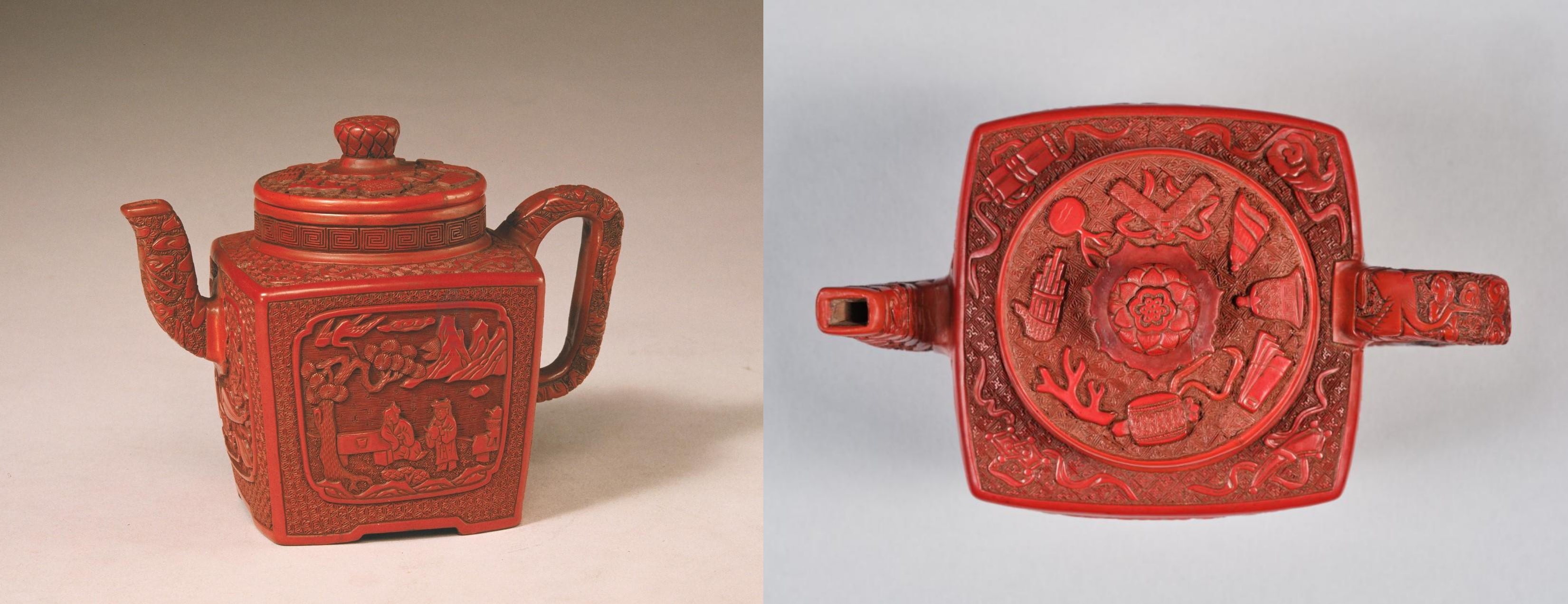
Ming Dynasty Zisha Teapot with Carved Red Lacquer , Attributed to Shi Dabin
Collection of The Palace Museum
2. Kangxi Reign (1661–1722): The Enamel Monopoly
The most representative imperialZisha teapots from the Kangxi period are those decorated with enamel paints, fully embodying the privileged and monopolistic nature of court production. These were the first painted Yixing teapots in history. While painted Yixing teapots are common today, they were utterly inaccessible to the public then, regardless of wealth. Enamel painting was the only technique allowing a full palette of colors on ceramics at the time. The technology was held by a handful of painters within the palace (mostly European missionaries), and the pigments were imported and extremely precious.
Today, enamel painting is widespread in various fields but is rarely used on Zisha. This is due to better-suited alternative techniques and the poor adhesion between enamel and the Zisha clay. Nevertheless, these teapots hold significant exploratory importance in the history of Zisha.
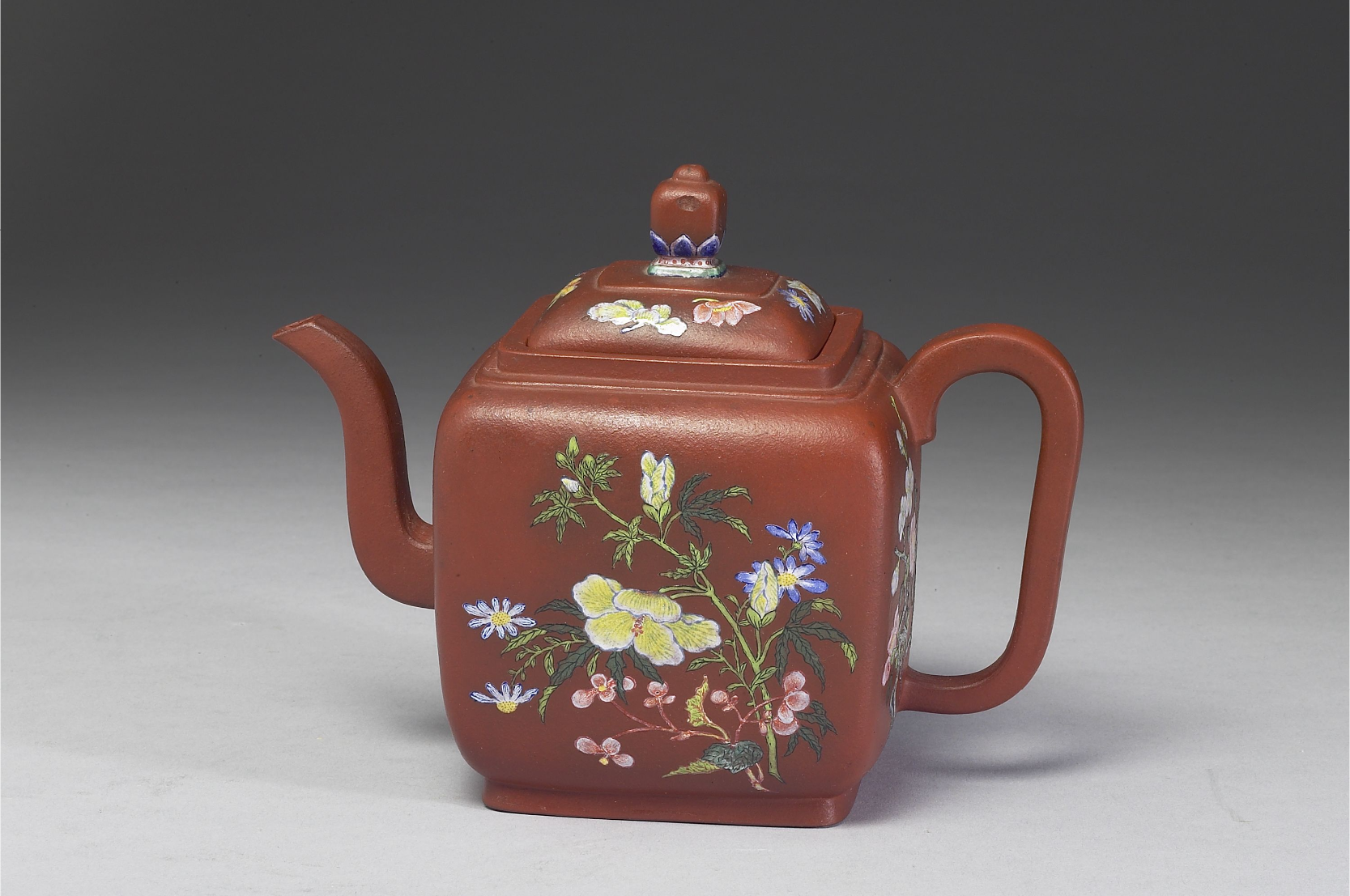
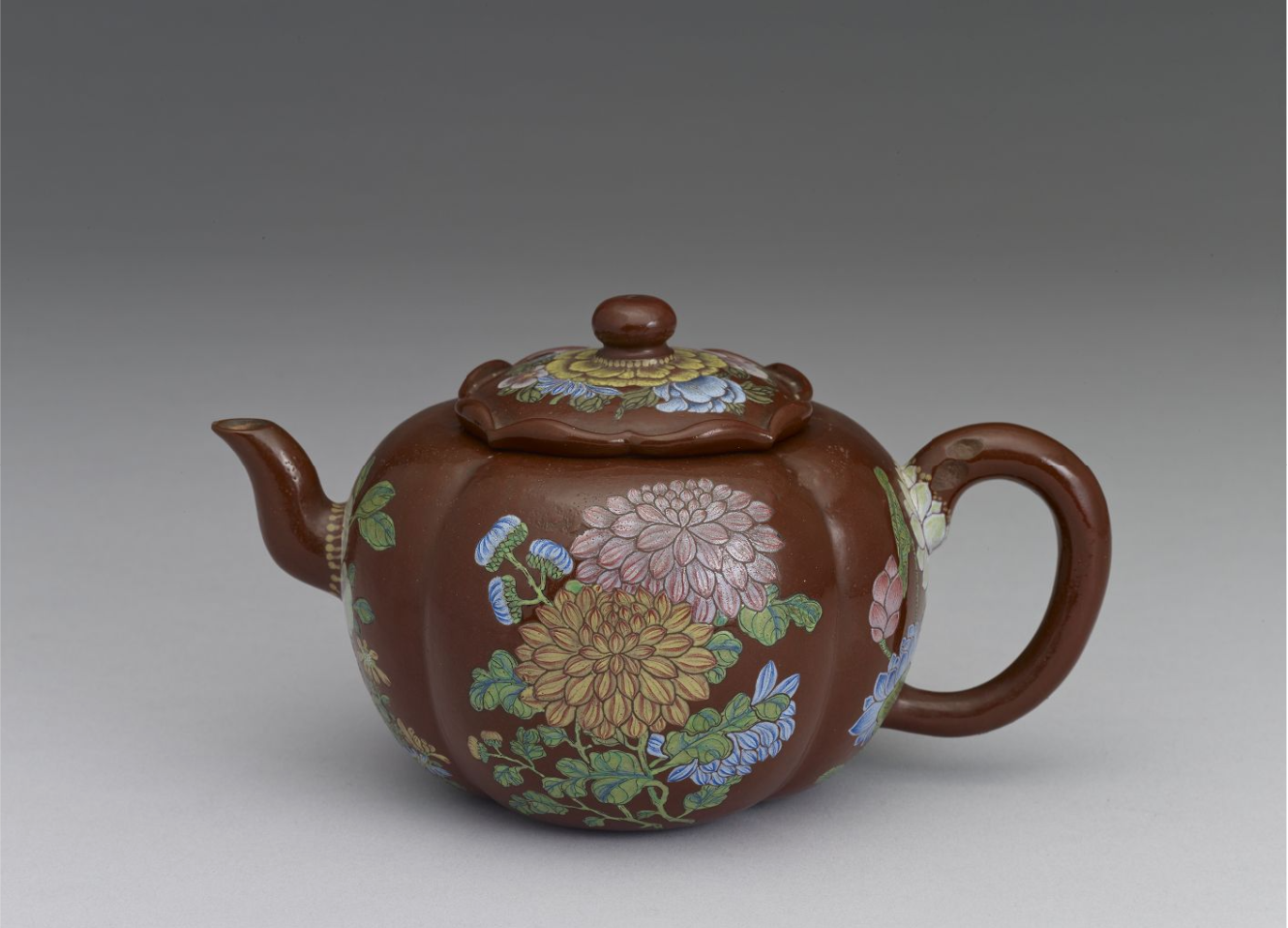
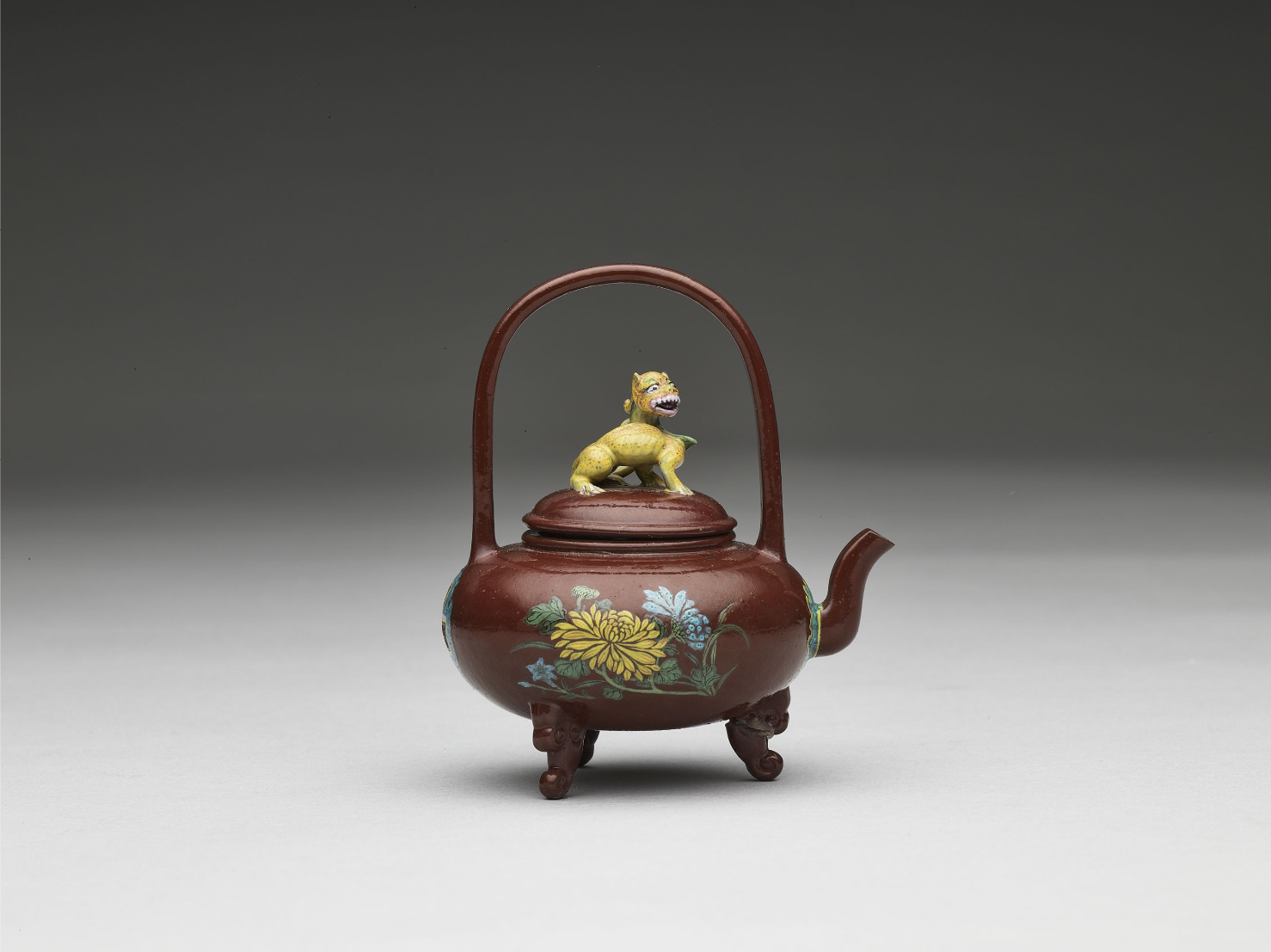
Kangxi Period Enamelled Zisha Teapots
Collection of National Palace Museum in Taipei
3. Yongzheng Reign (1722–1735): The Minimalist Pioneer
The Yongzheng Emperor was famously diligent and led an almost ascetic life. Ceramics were one of his few hobbies. His taste leaned toward the subtle, precise, and sophisticated—in many ways aligning with modern aesthetics and considered avant-garde for his time.
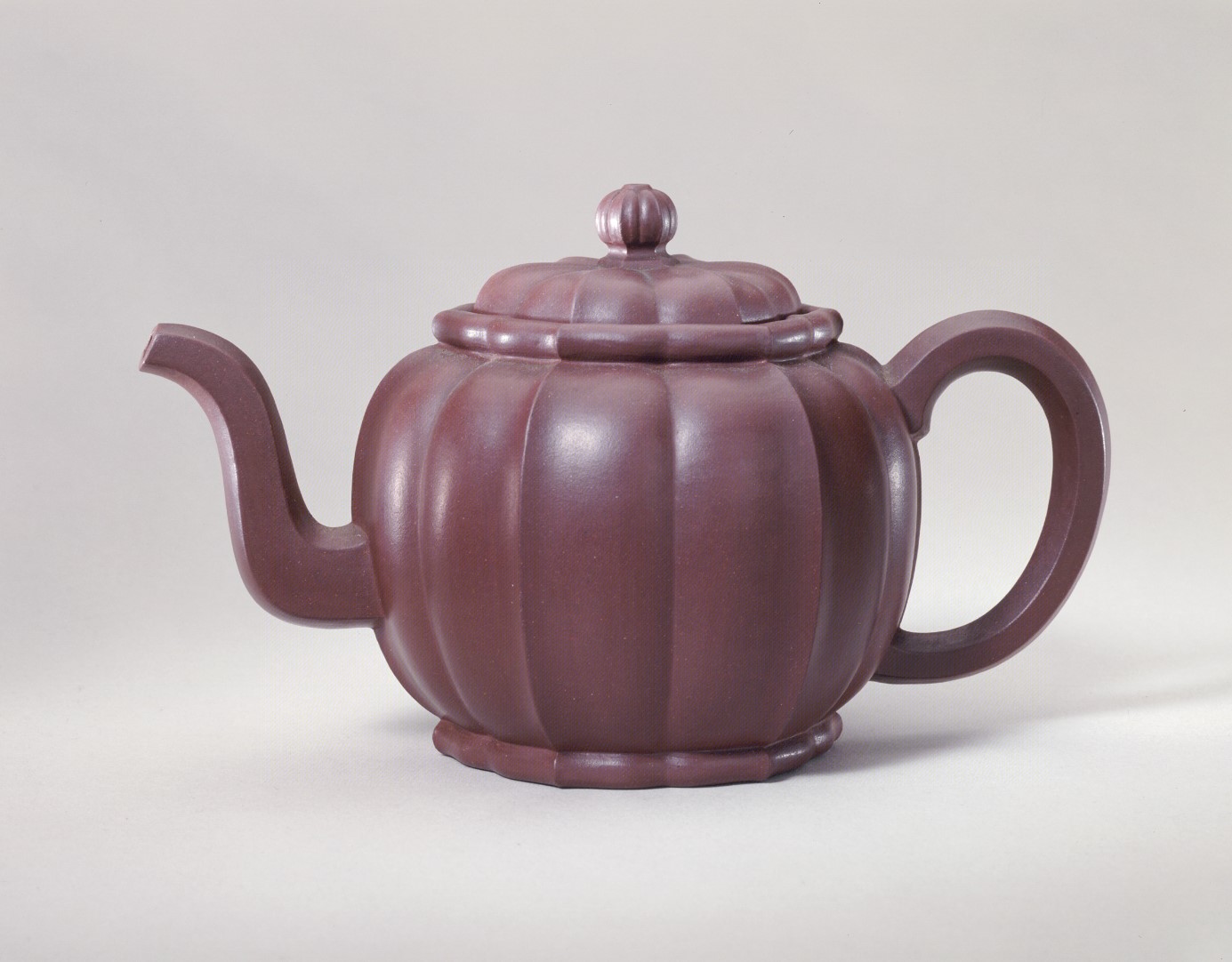
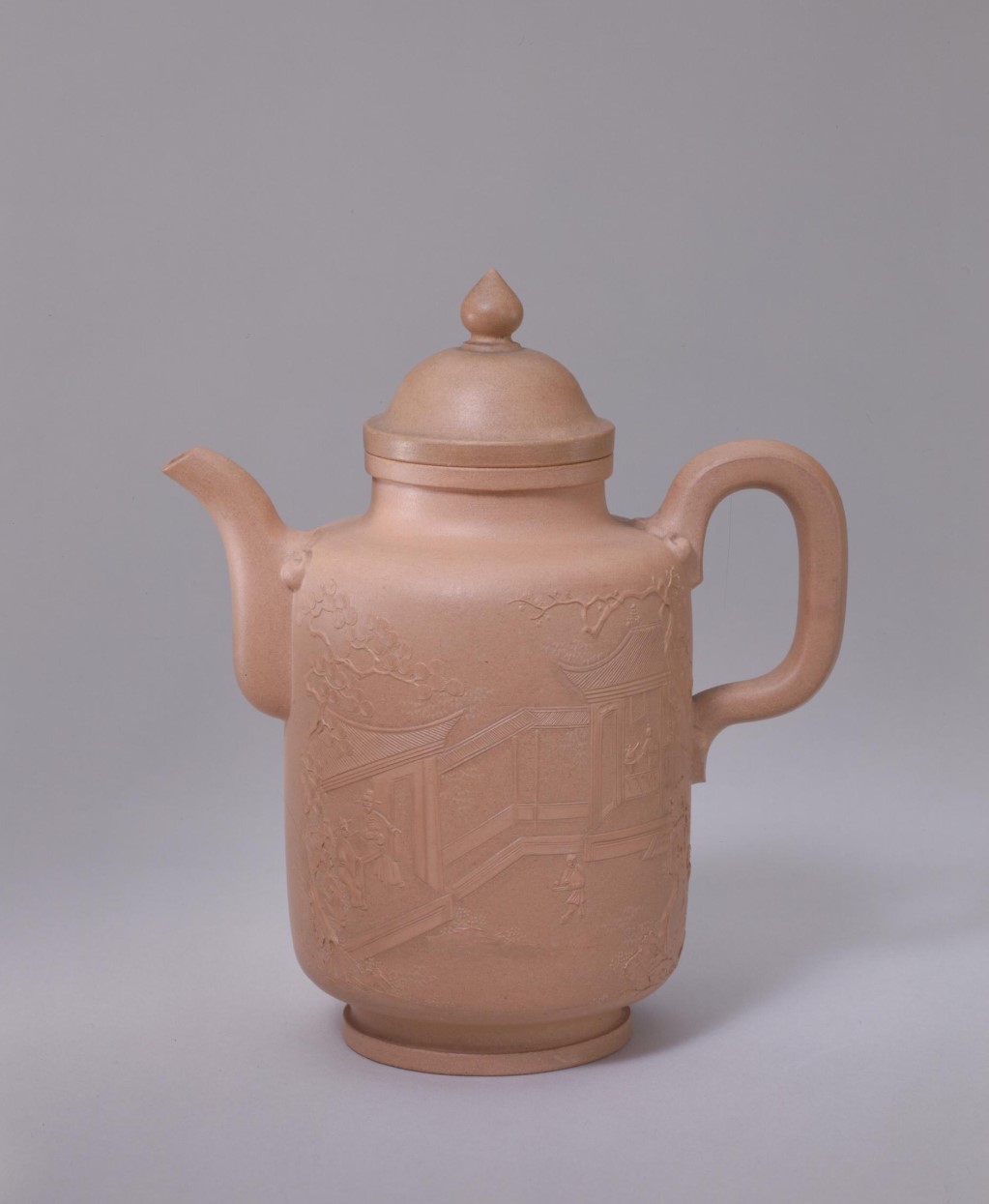
Regarding Zisha teapots, he famously issued decrees demanding "elegant shapes and restrained lines," breaking from the court's traditional preference for ornate decoration and was the first to introduce plain, undecorated teapots into the palace. Unfortunately, his short reign resulted in very few surviving examples from this period.
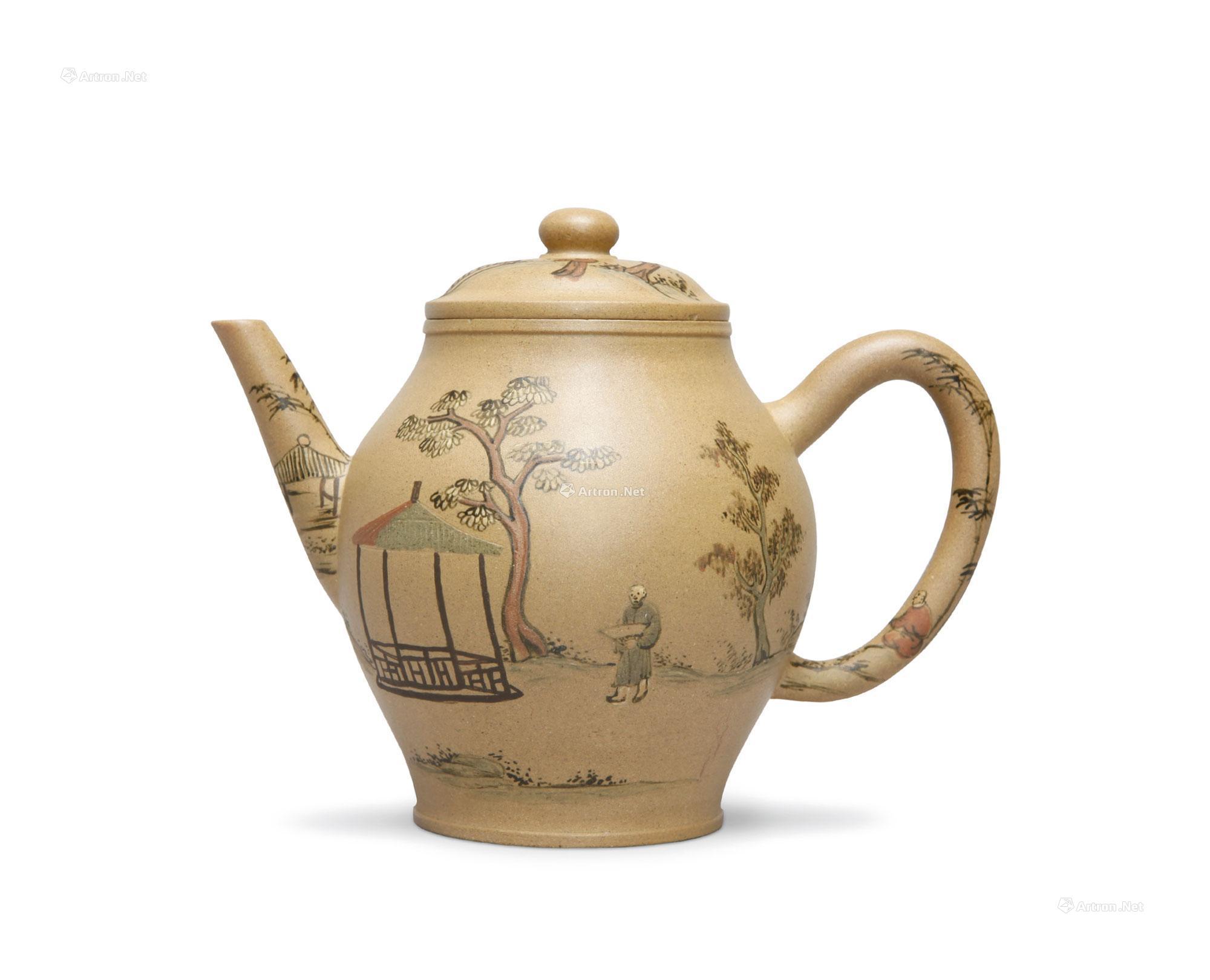
Auctioned for 17,250,000 RMB at Yuan Fang 2014 Autumn Auction
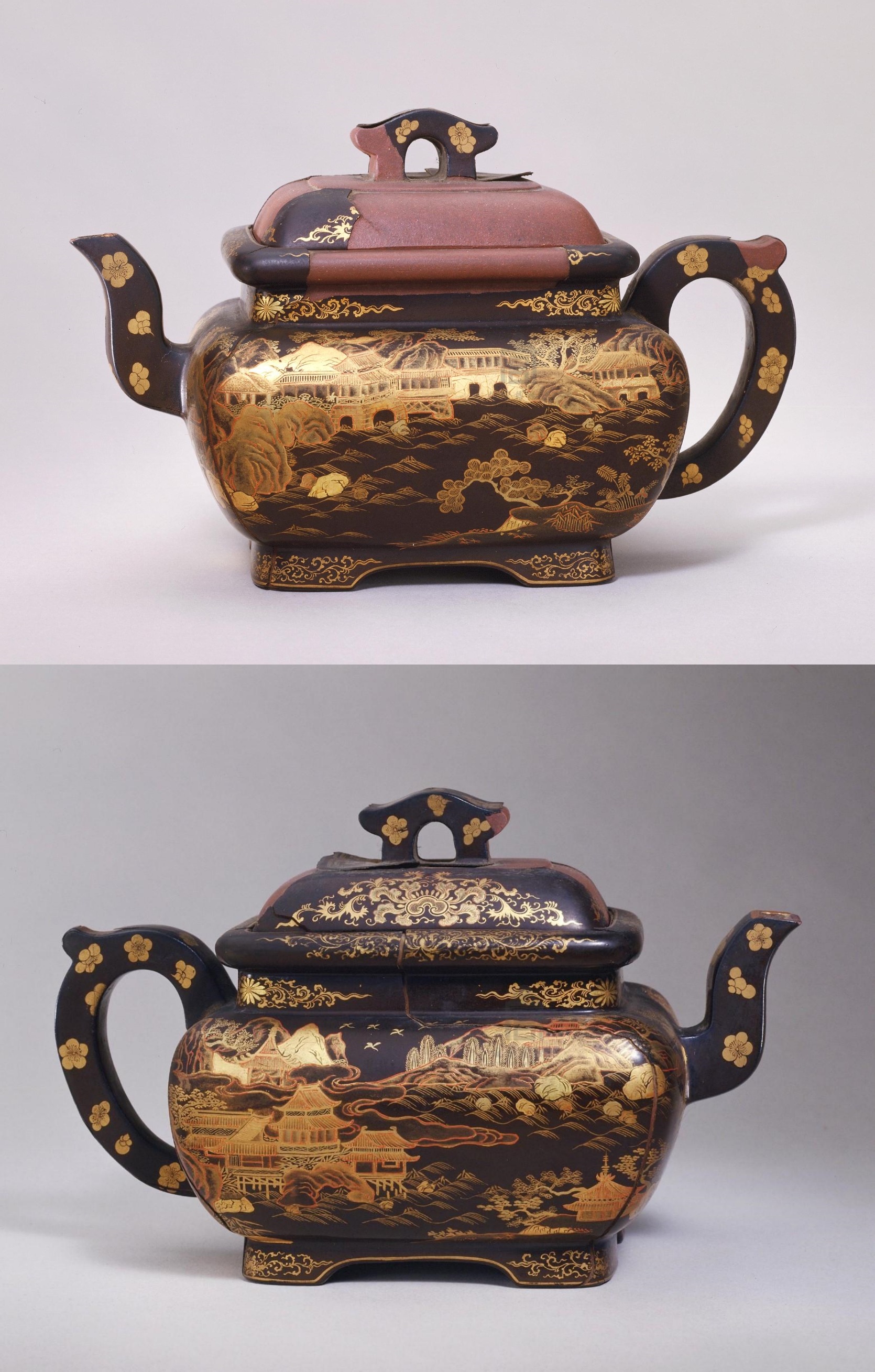
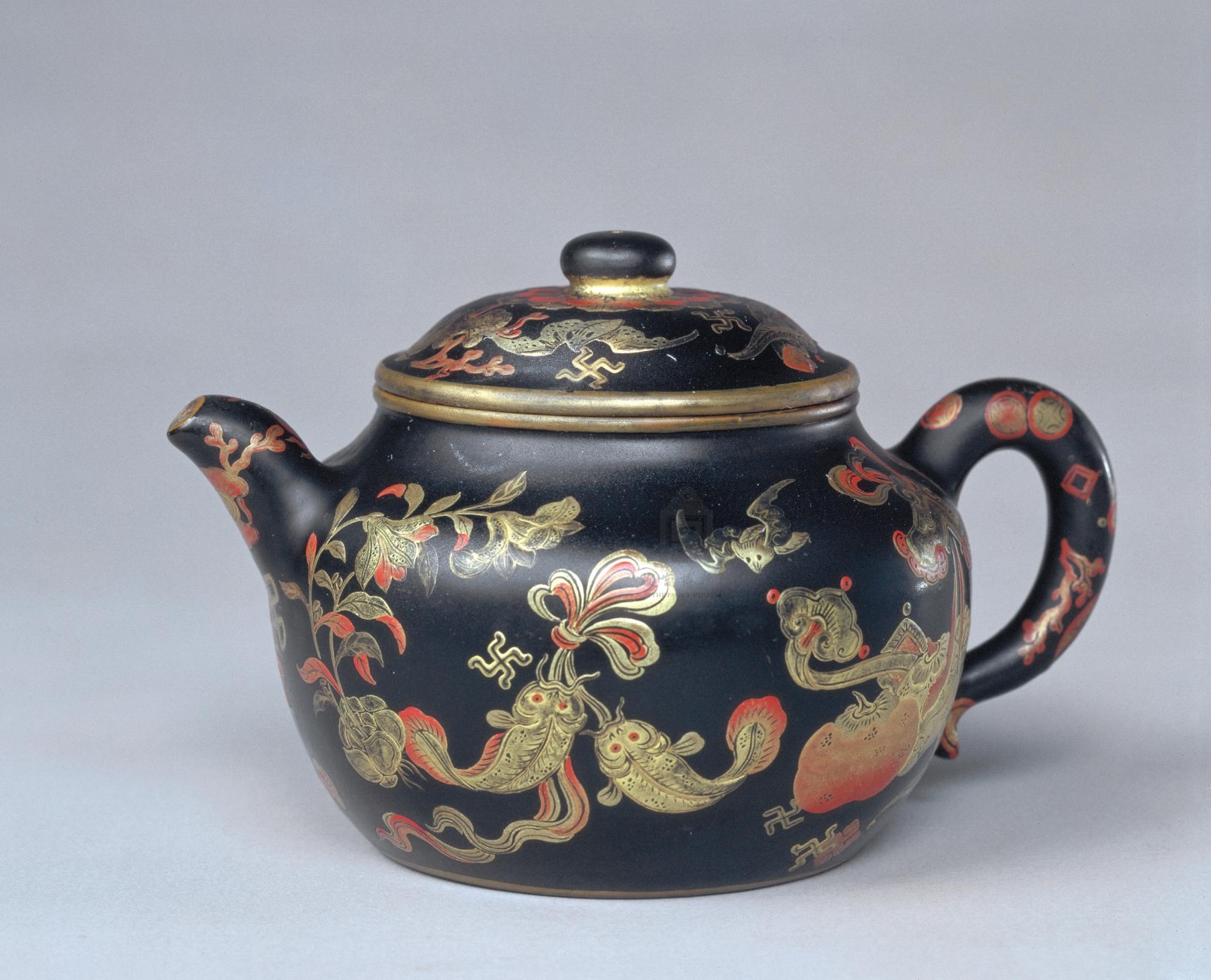
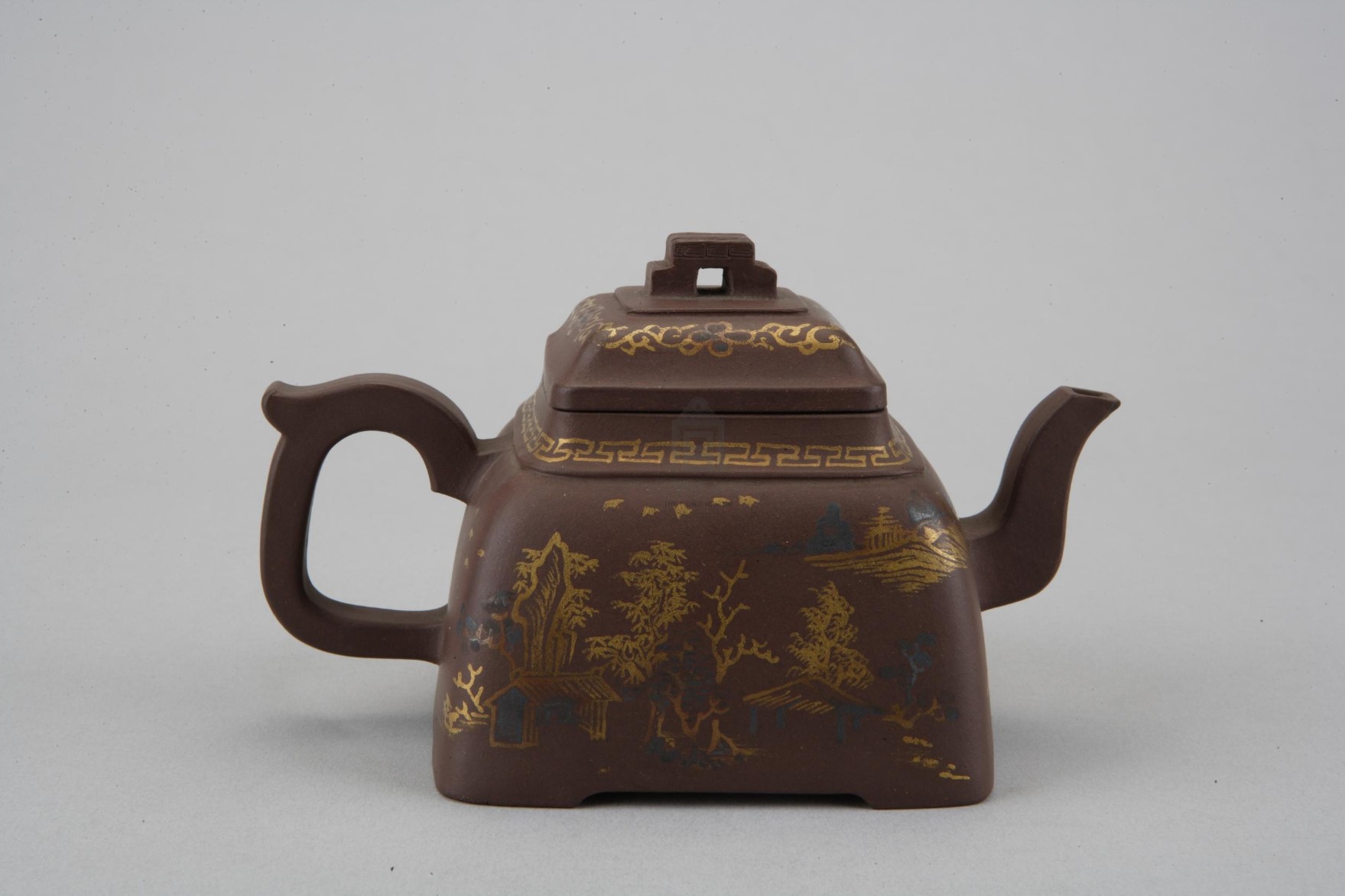
Yongzheng Period Square Zisha Teapot with Black Lacquer, Gilt, and Polychrome Painted Decoration
Collection of The Palace Museum
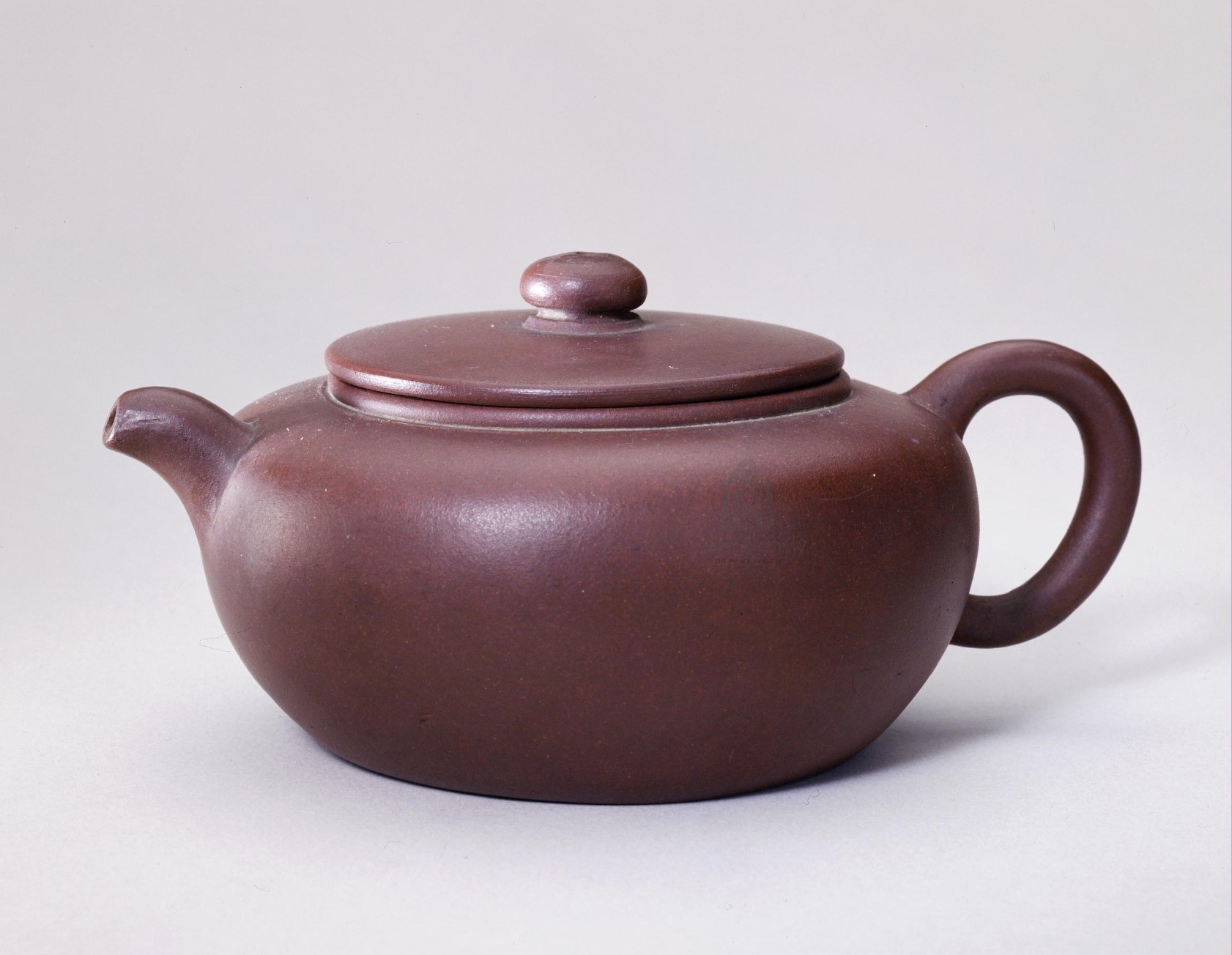
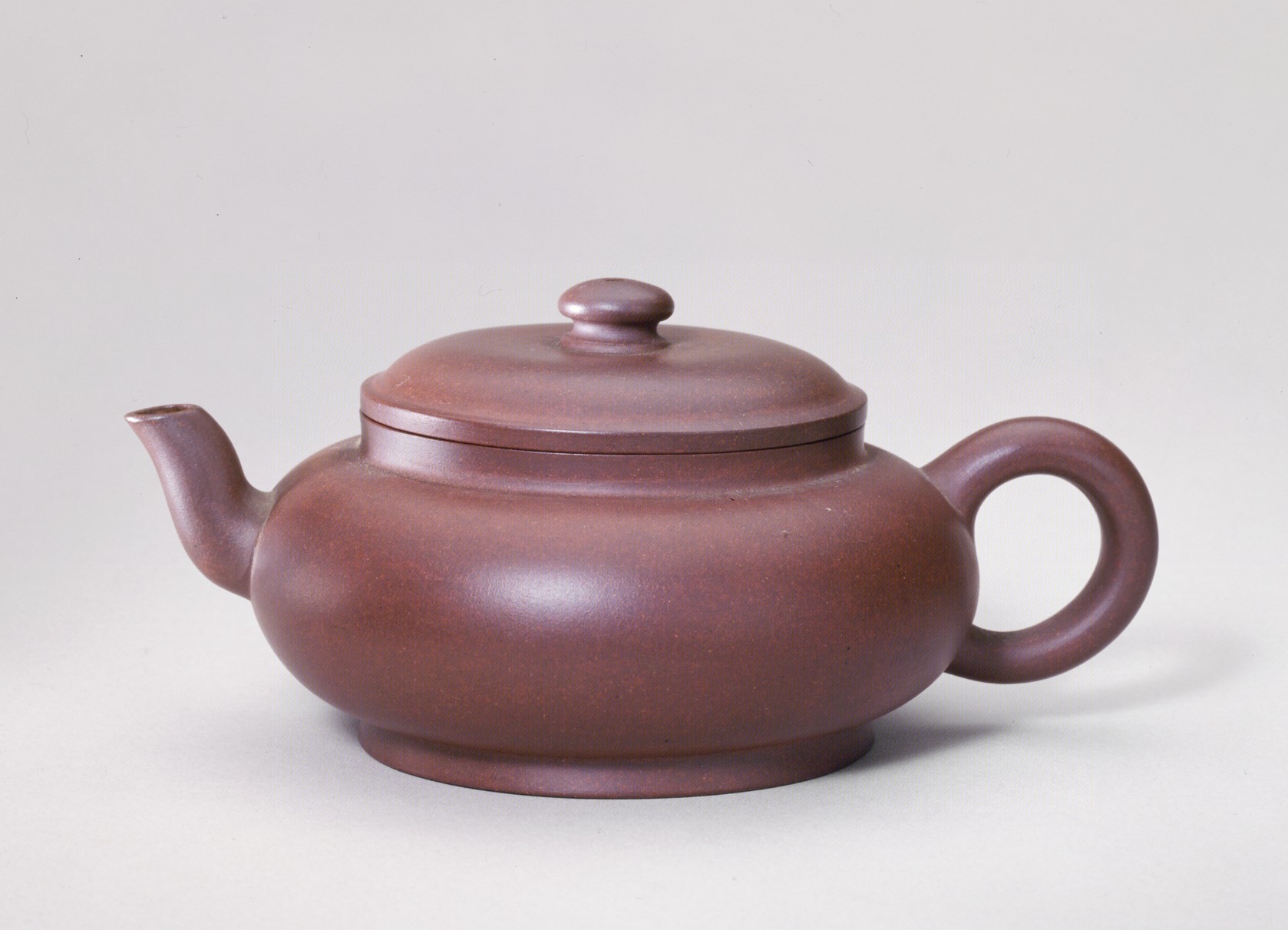
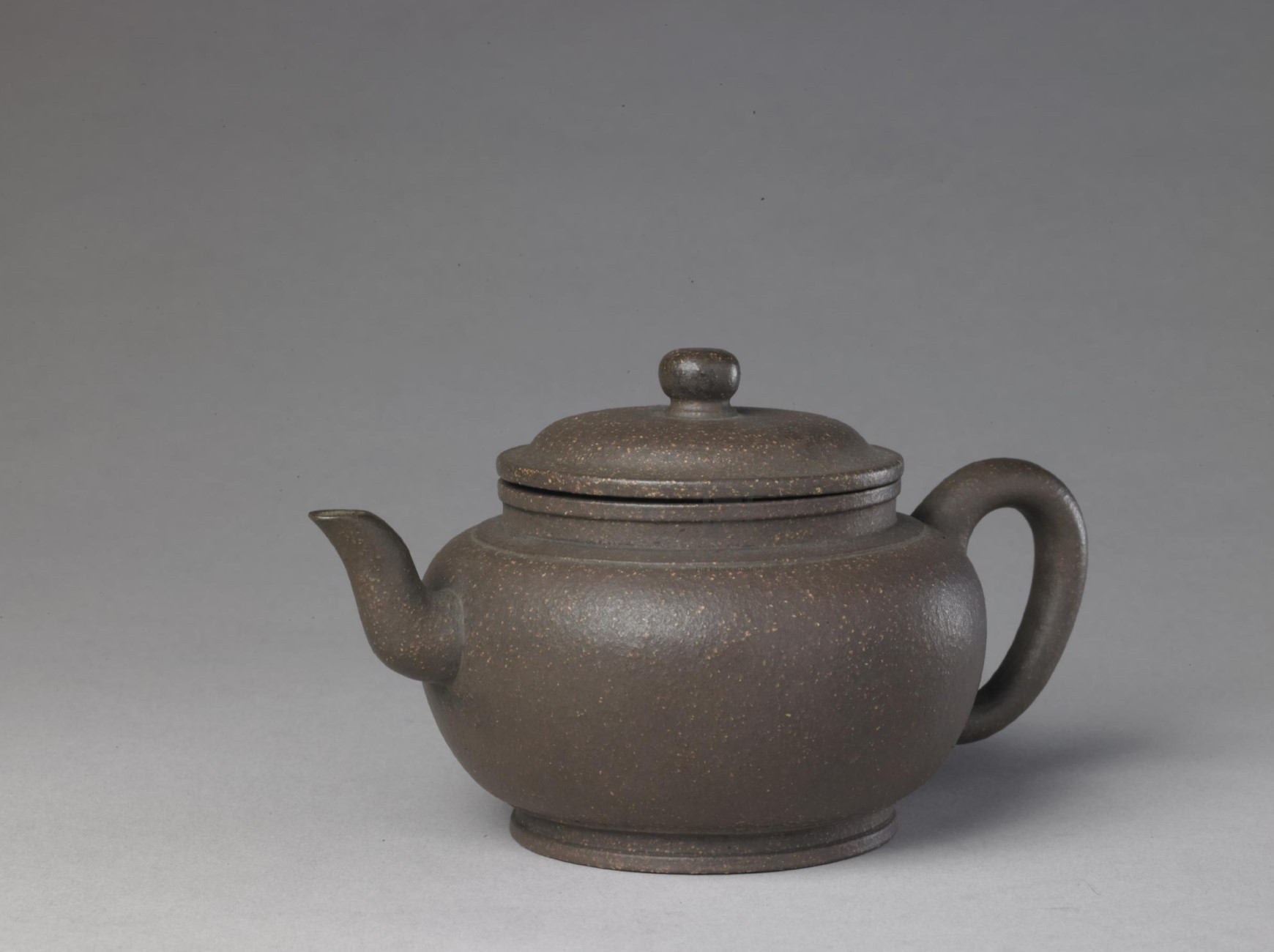
Plain, Undecorated Imperial Zisha Teapots, Yongzheng Period
Collection of The Palace Museum
4. Qianlong Reign (1735–1796): The Golden Age of Diversity
The Qianlong era marked both the zenith of Qing dynasty power and the peak of classical Chinese ceramics. Prolonged social stability, prosperity, substantial court investment, and Sino-Western exchange spurred major breakthroughs in ceramic technology. Ambitious himself, the Qianlong Emperor ordered the replication of famous wares from past dynasties using contemporary techniques while also innovating new forms, aiming to showcase his era's inclusivity and its dual role in inheriting and surpassing tradition.
Imperial Zisha teapots from this period reflect remarkable diversity in both technique and artistic style(like lip painting, gold-tracing, and openwork). Many innovative attempts by modern artisans can find their prototypes in Qianlong-era. However, the emperor himself still favored the traditionally "intricate and exquisite" court style. As a prolific poet (he wrote over 40,000 poems in his lifetime), Qianlong also had many teapots inscribed with his own verse.
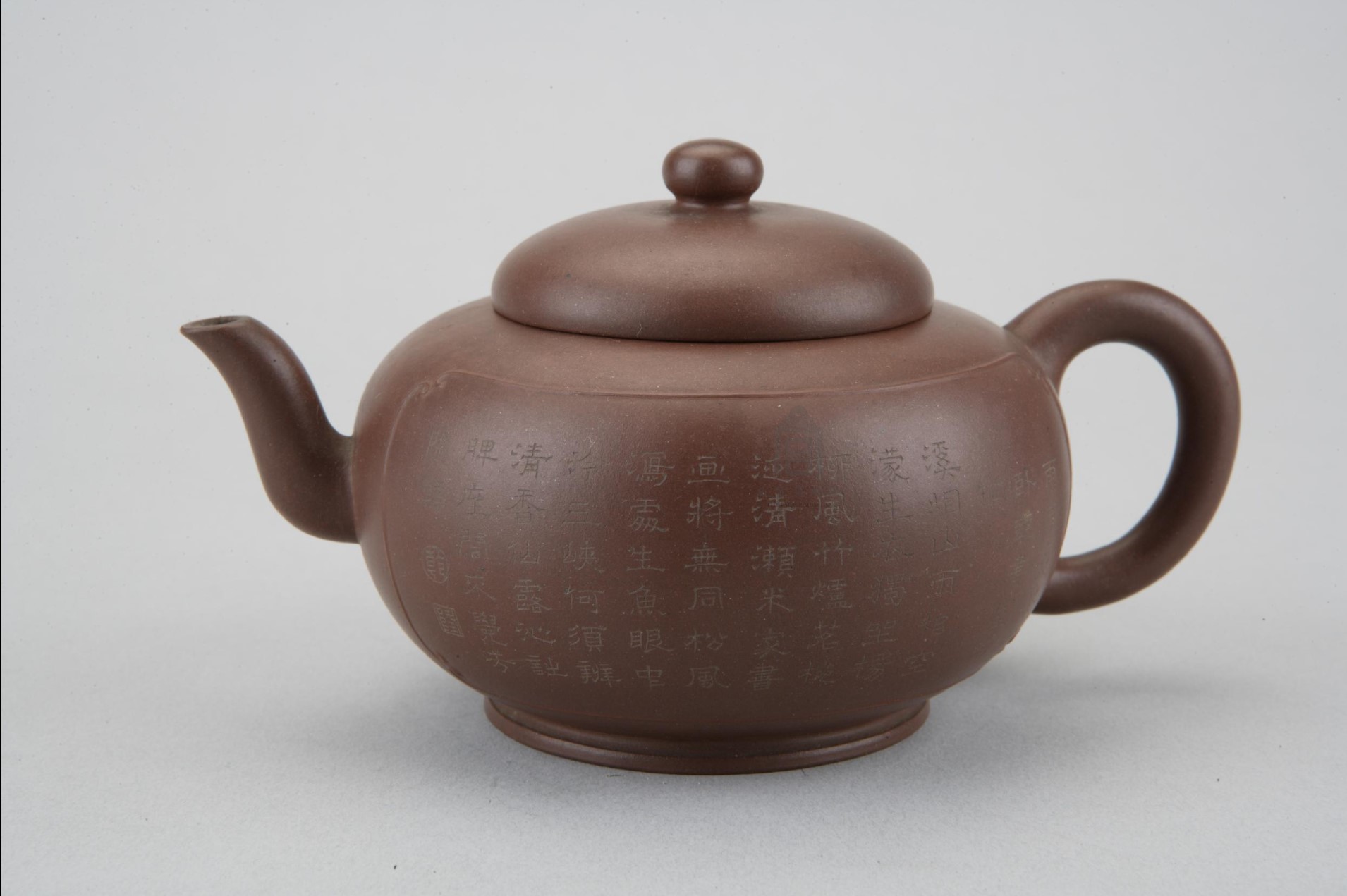
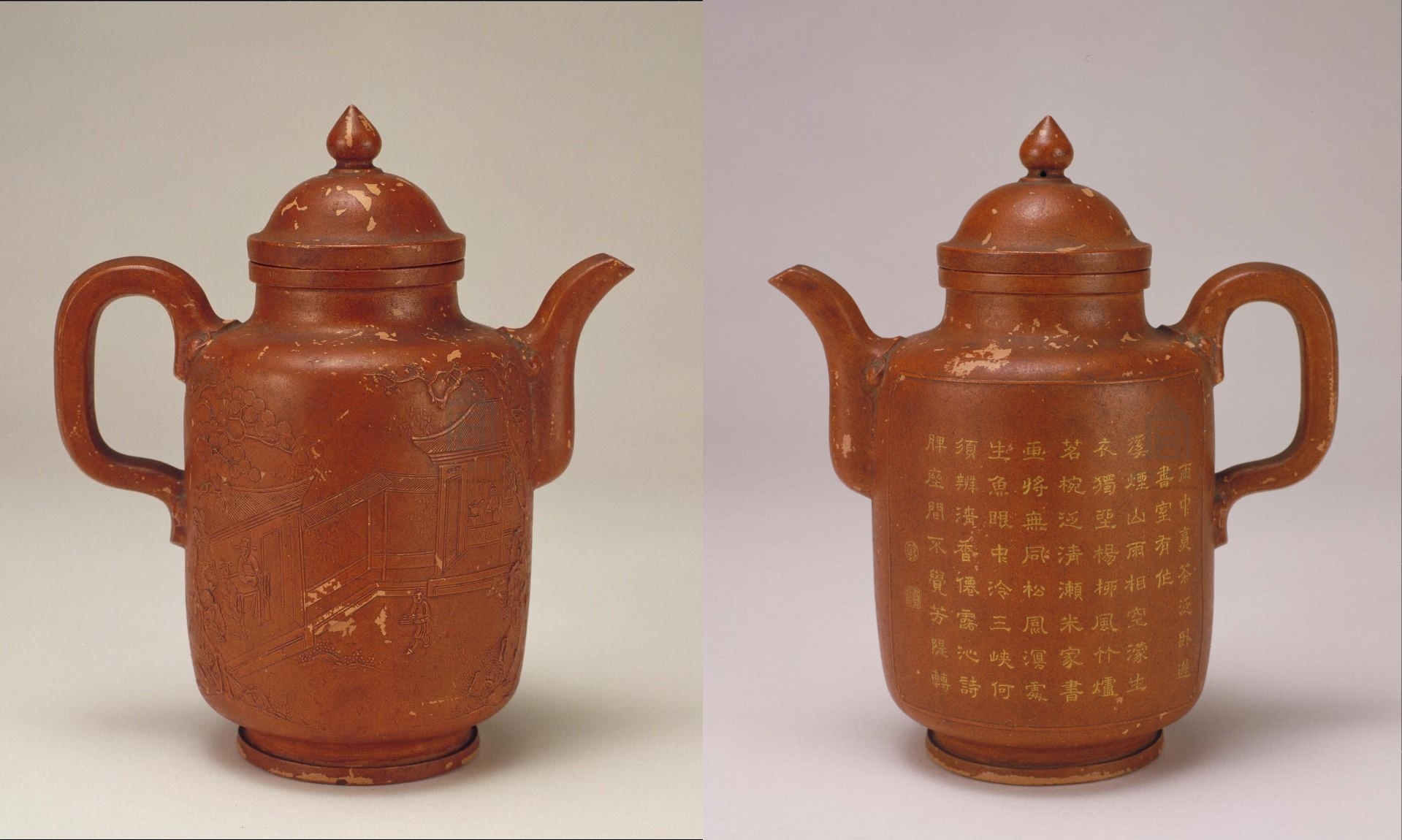
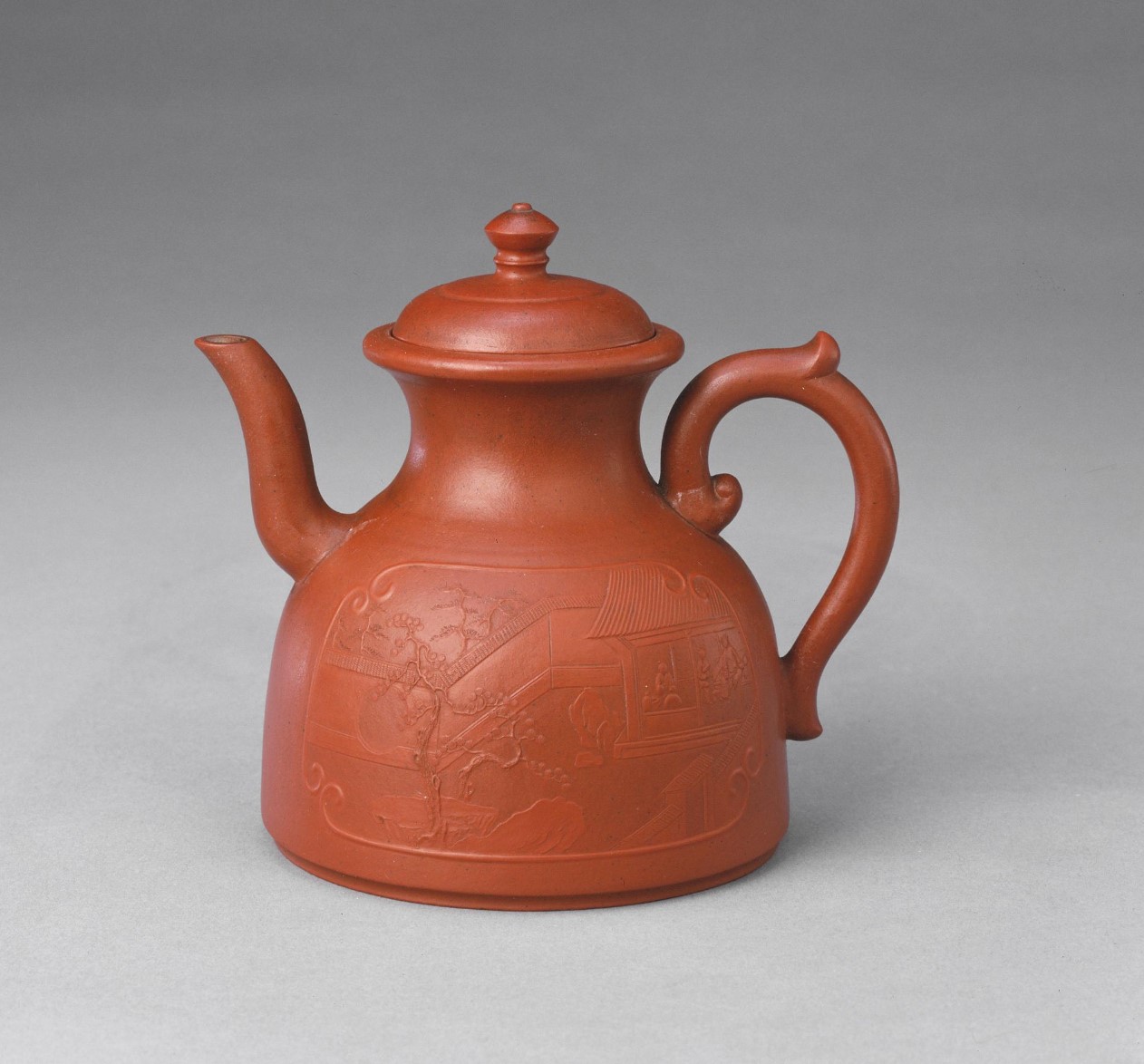
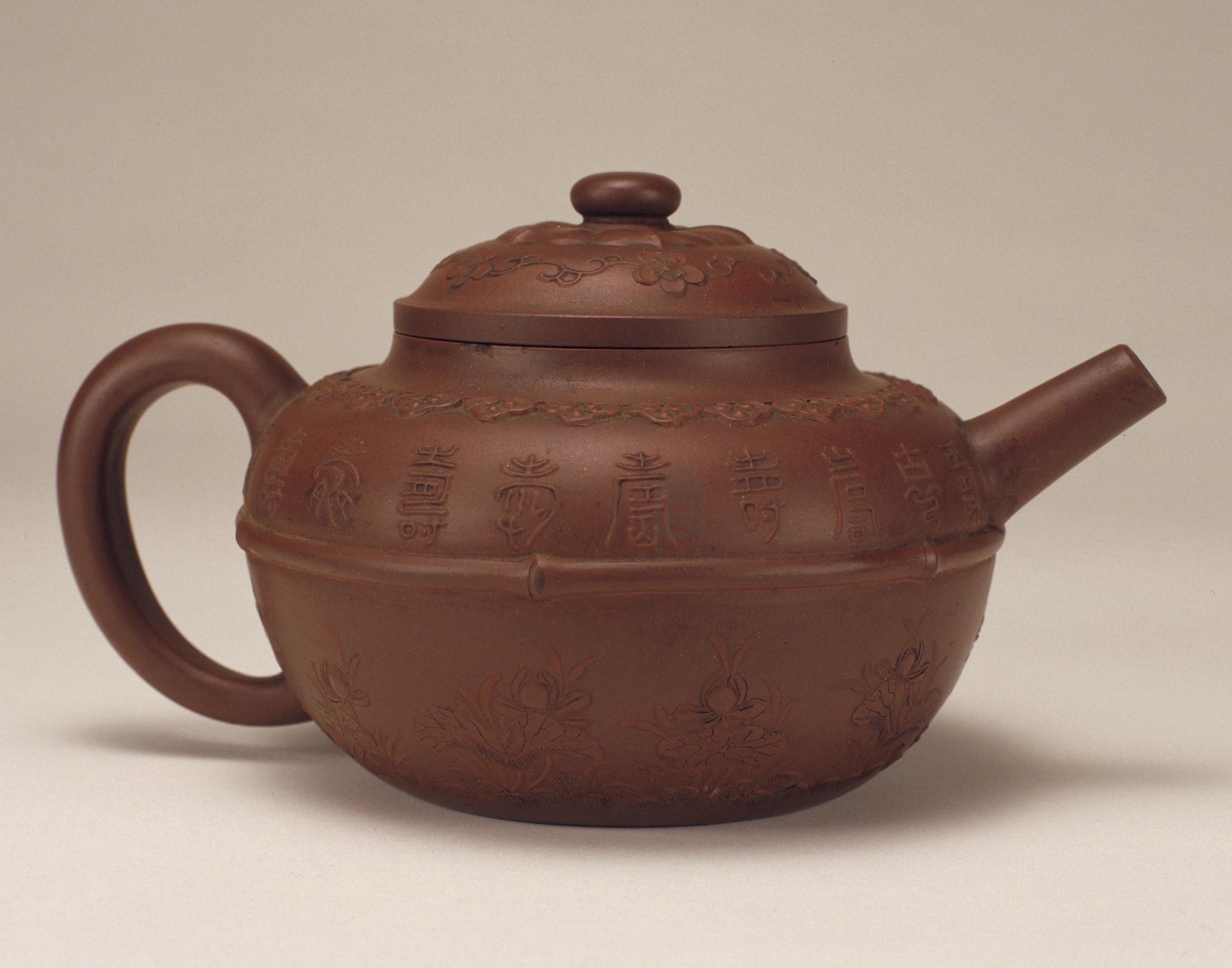
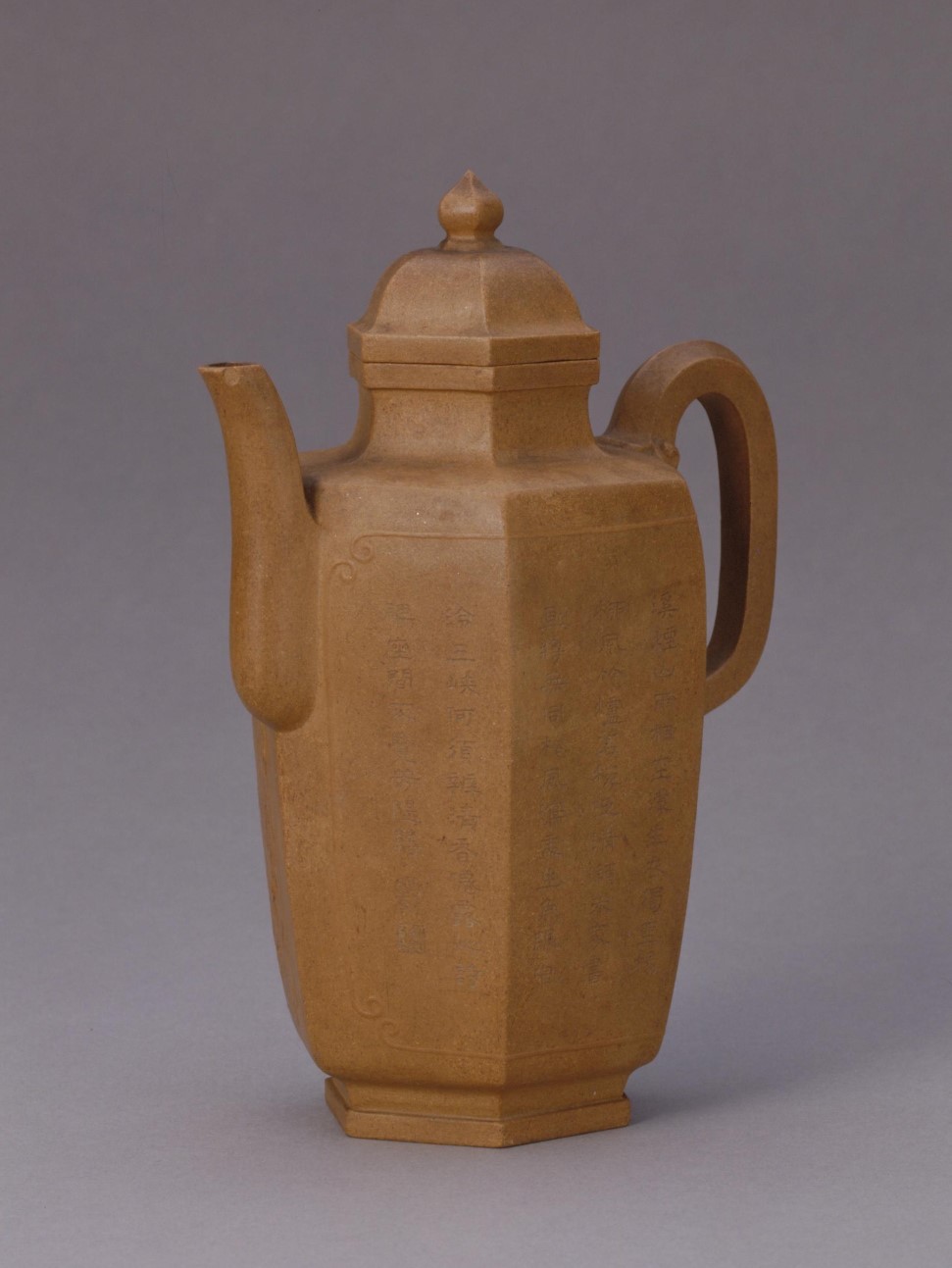
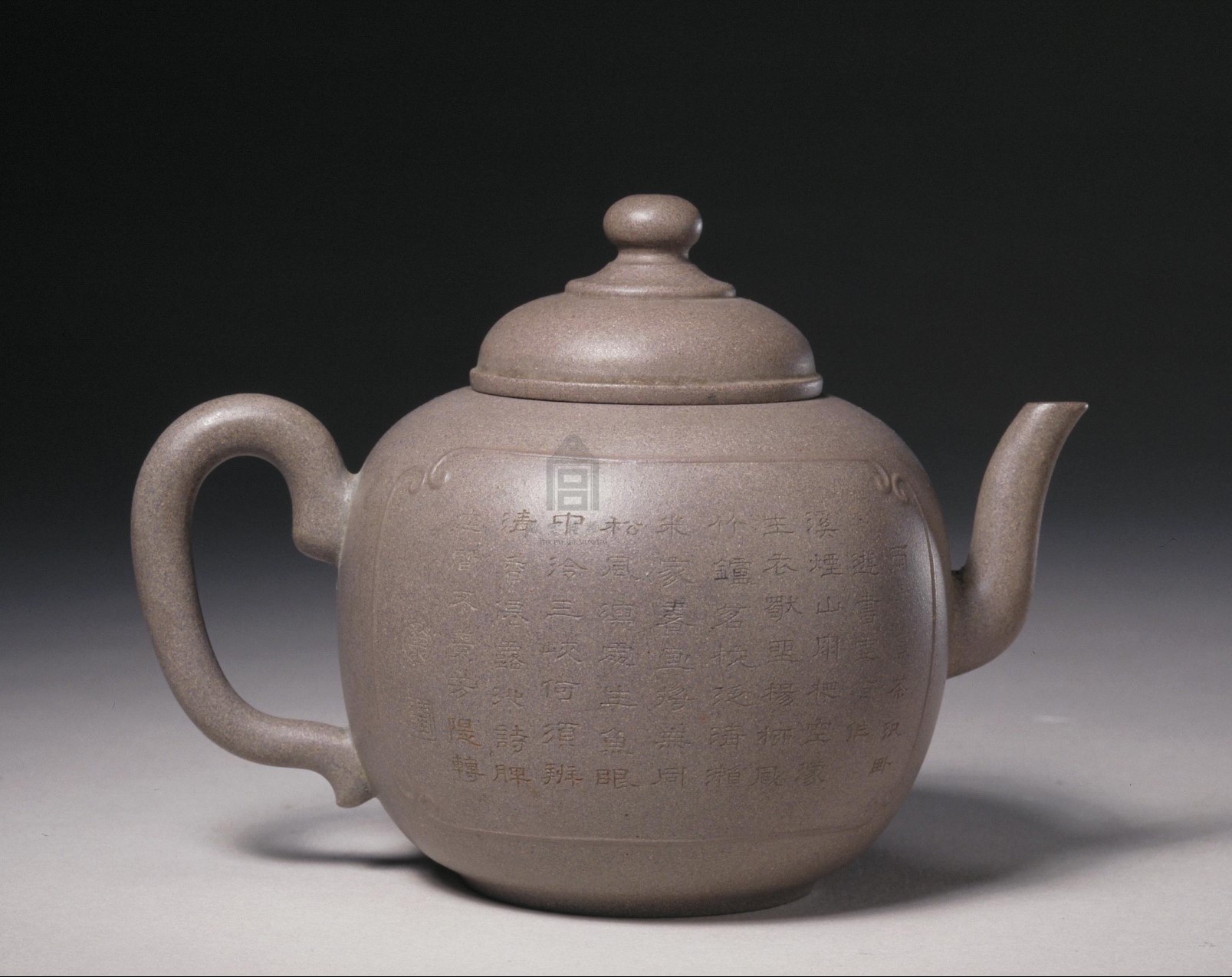
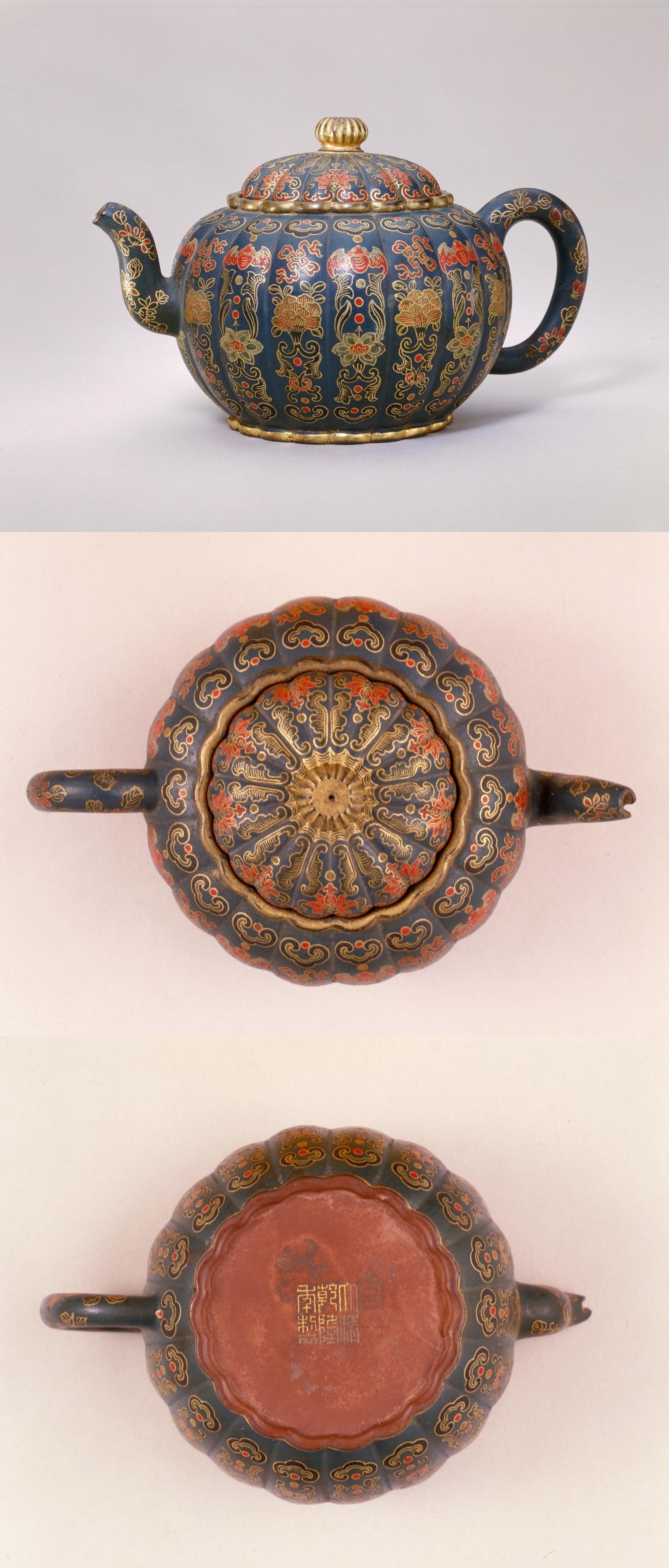 Imperial Zisha Teapots, Qianlong Period
Collection of The Palace Museum
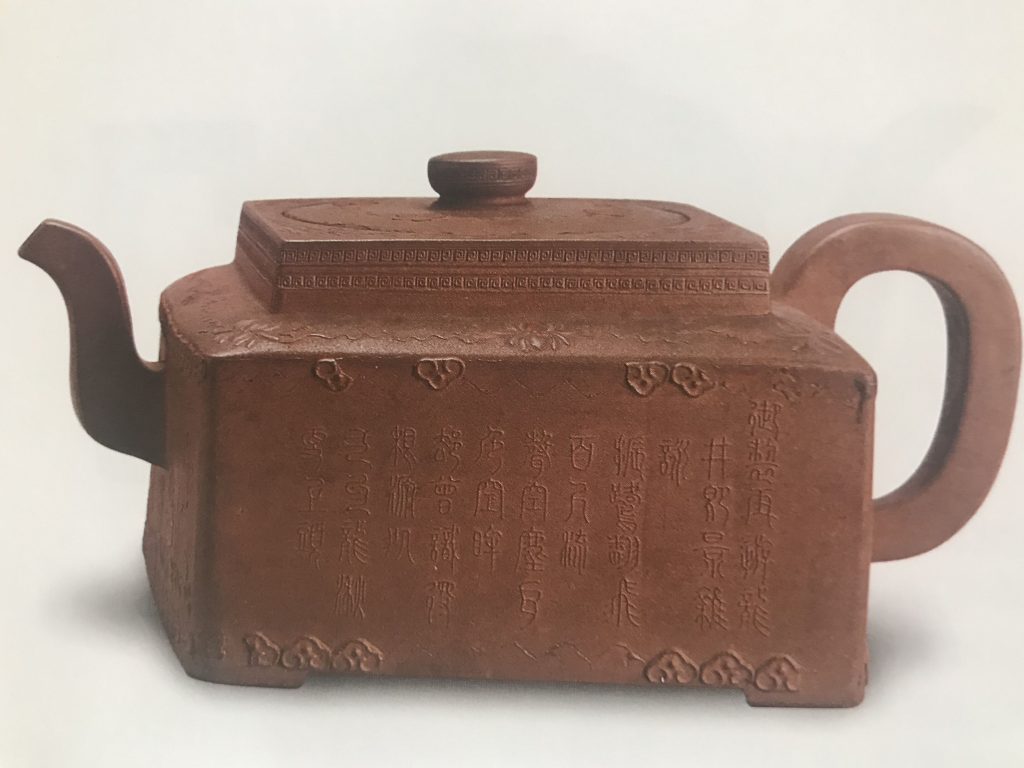
Imperial Zisha Teapot, Qianlong Period
Collection of Capital Museum in Beijing
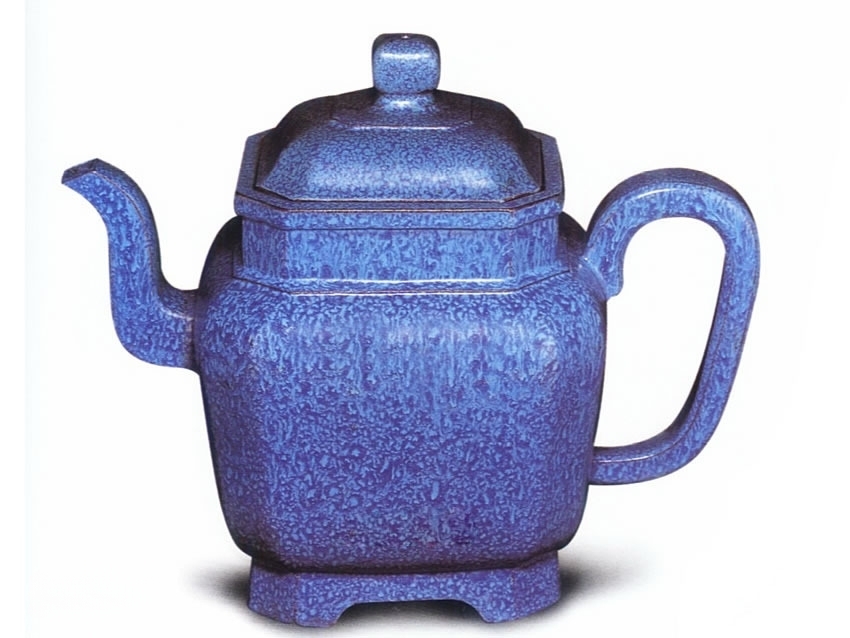
Fully-Glazed Imperial Zisha Teapot, Qianlong Period
Unknown Private Collection
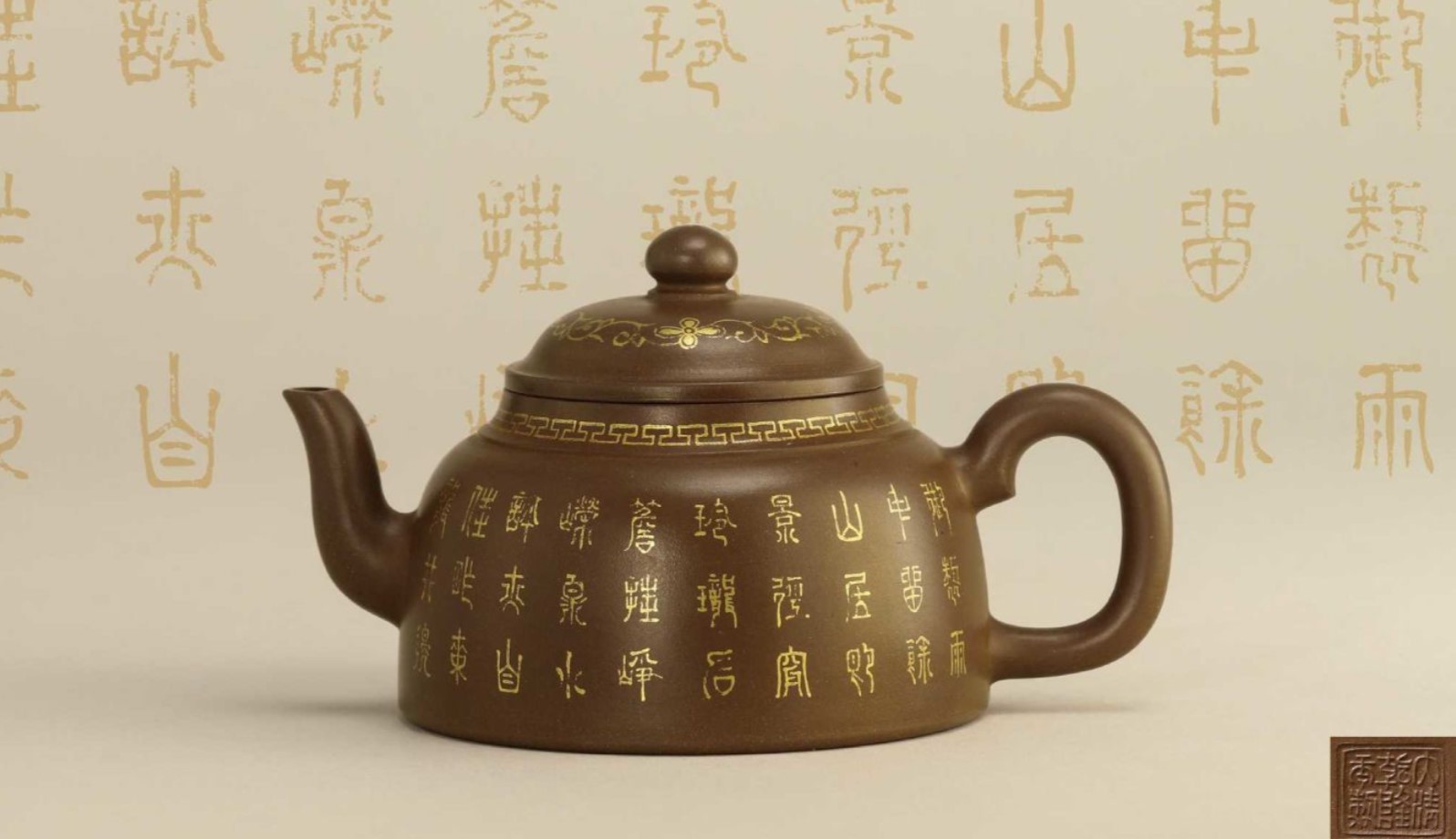
Imperial Zisha Teapot, Qianlong Period
Auctioned for 9,775,000 RMB at Poly 2016 Winter Auction
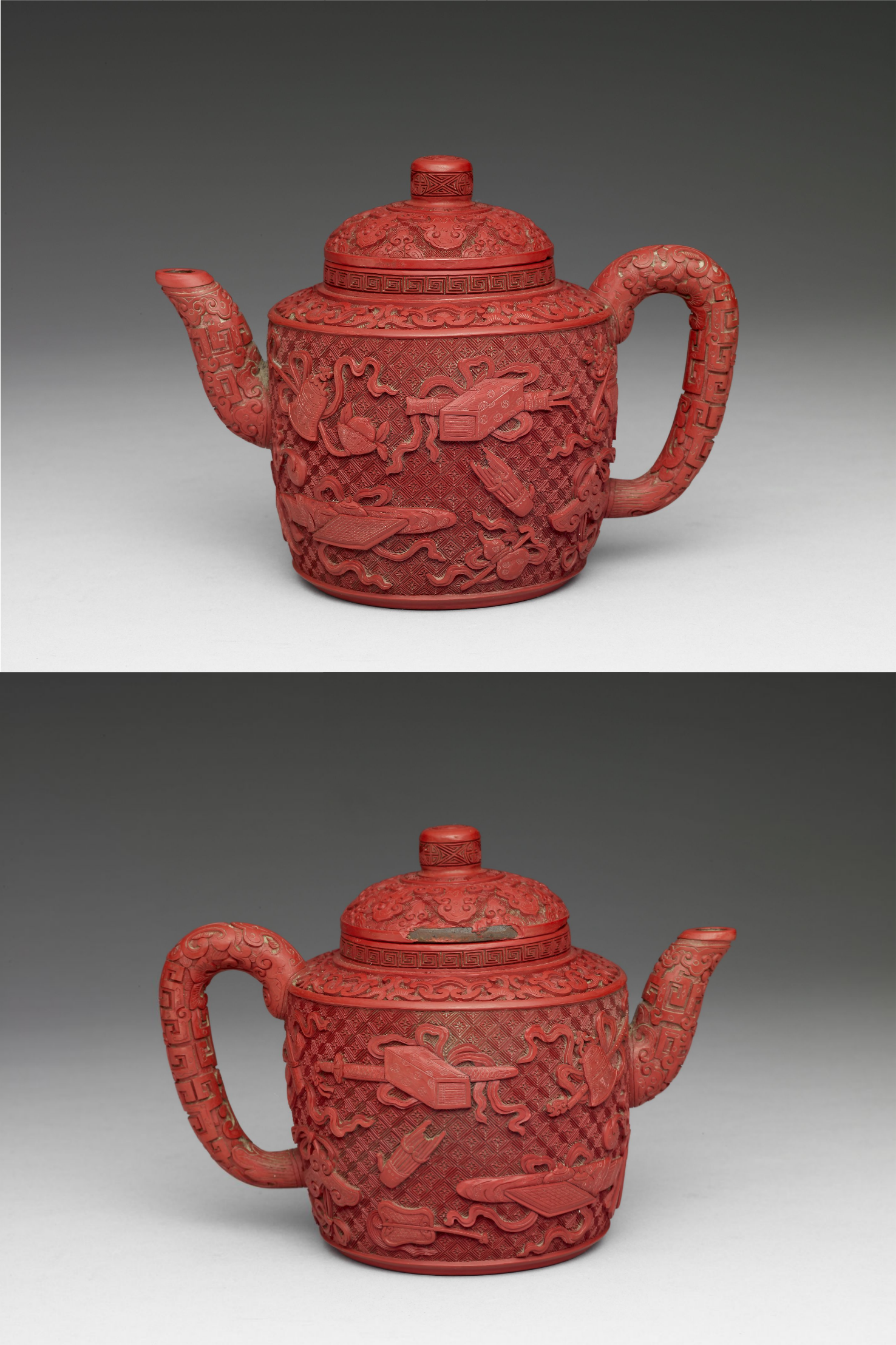
Imperial Zisha Teapot with Carved Red Lacquer, Kangxi Period
Collection of National Palace Museum in Taipei
5. Late Qing Dynasty(1796~1911): Decline and Transition
As the empire declined, emperors were preoccupied with internal rebellions, financial deficits, and external threats, drastically reducing their investment—both in attention and funds—in ceramics. The production of extravagantly costly commissionedimperial teapots diminished significantly. Many works from the civilian market entered the palace collections instead. Notably, potters began imprinting their personal seals on these teapots, a practice strictly forbidden in earlier periods.
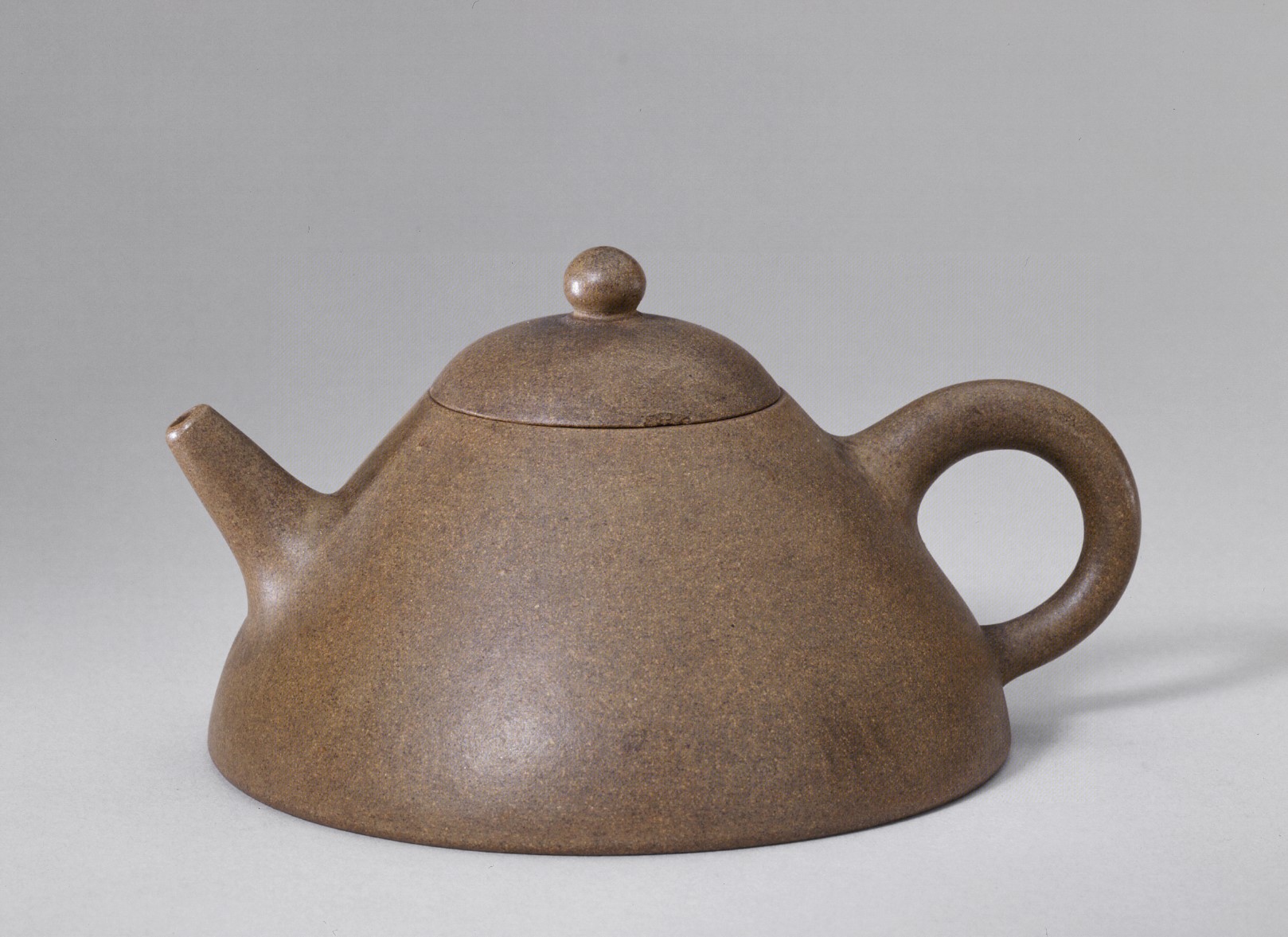
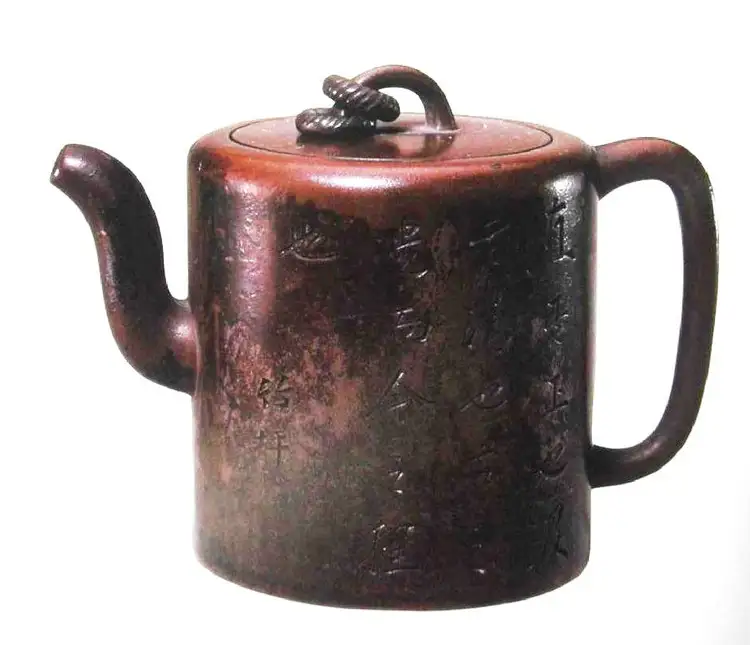
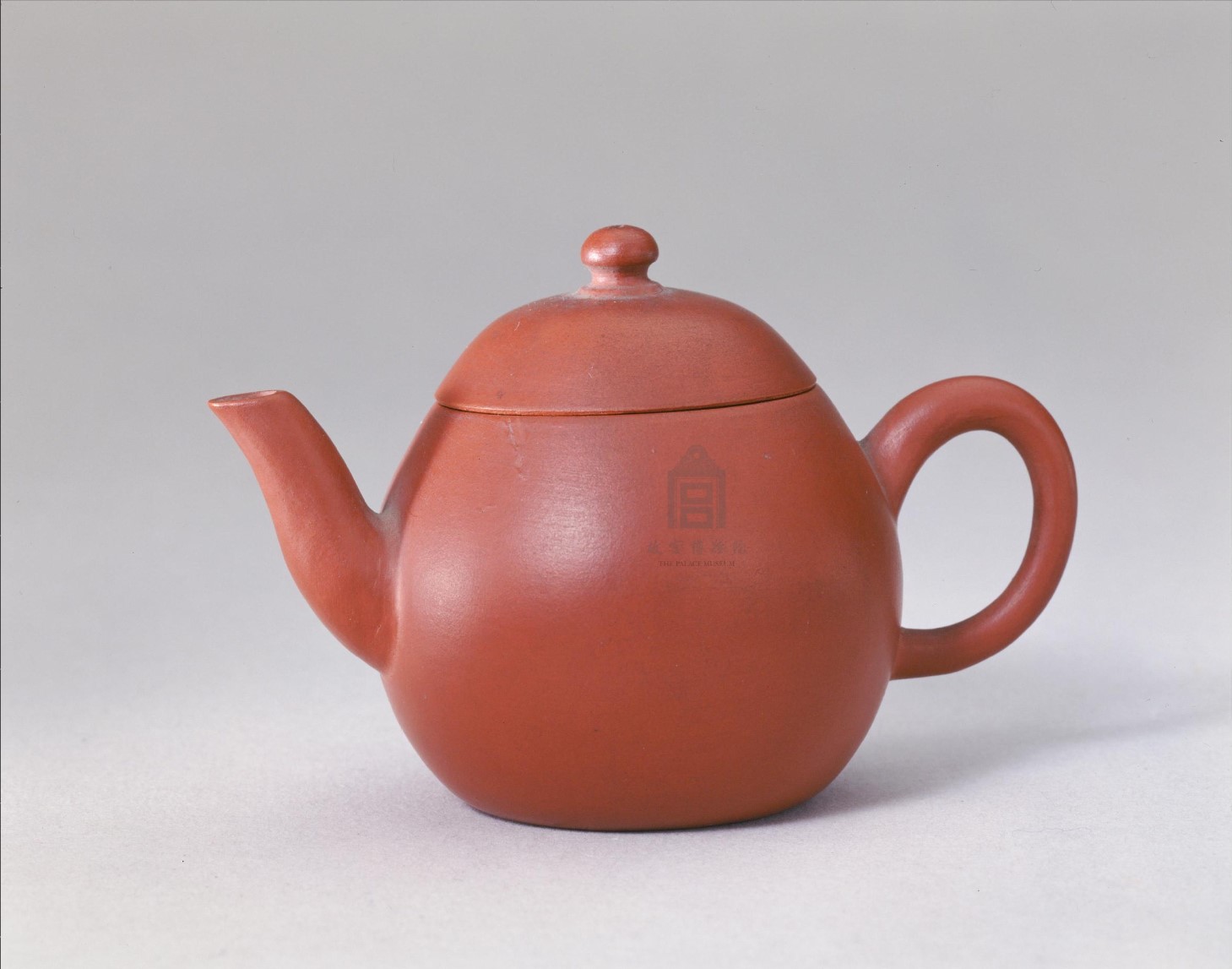
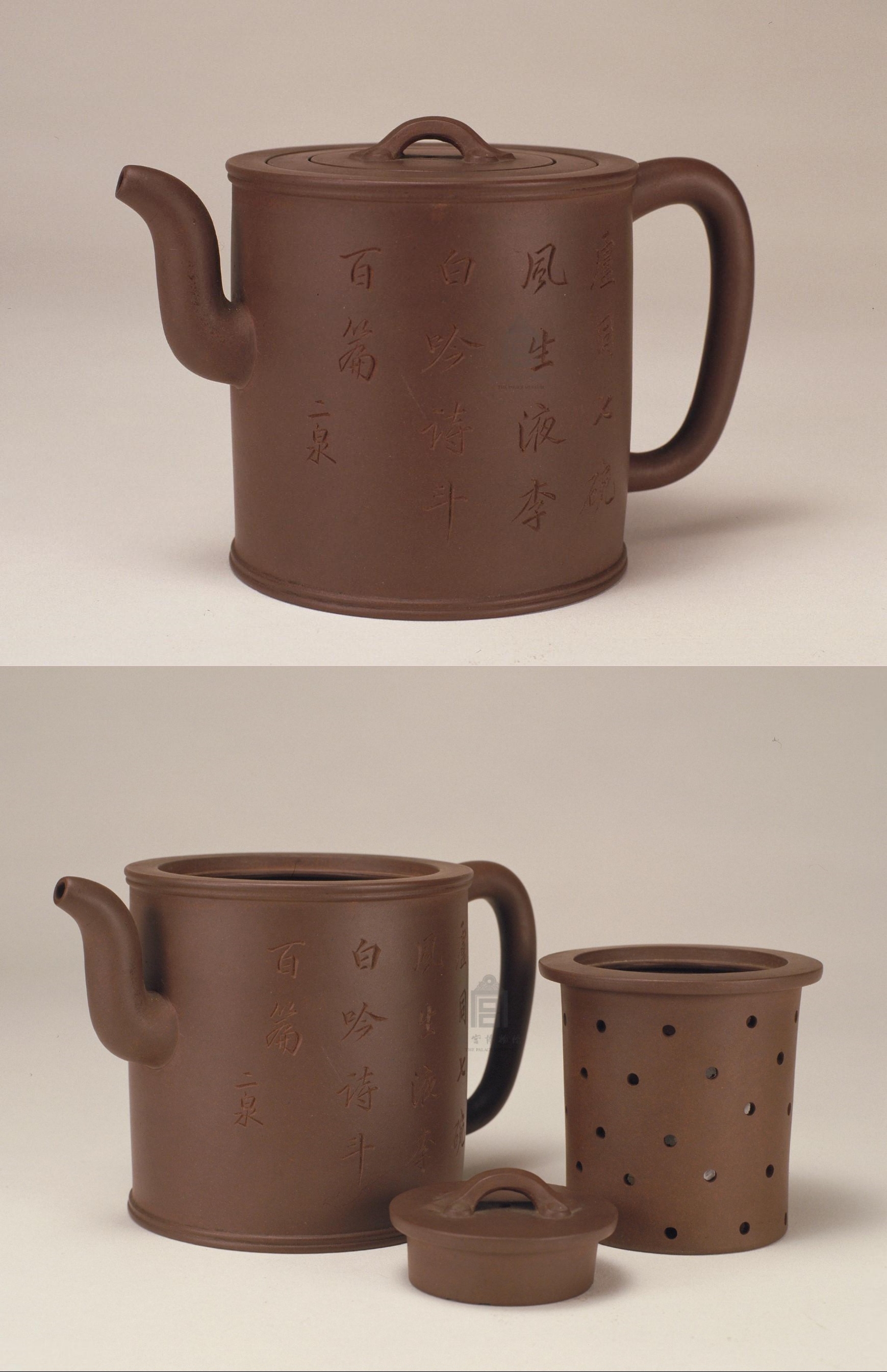
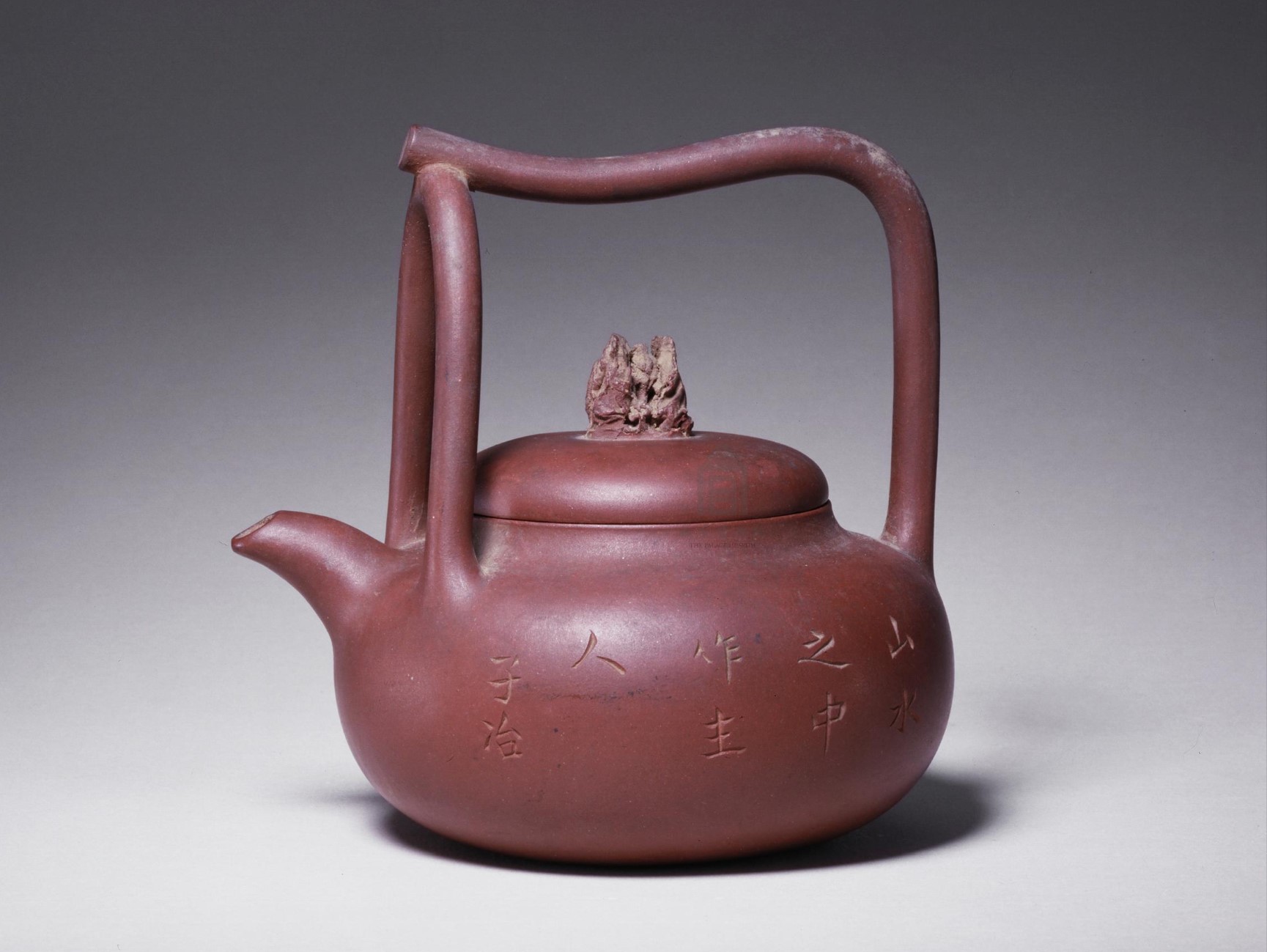
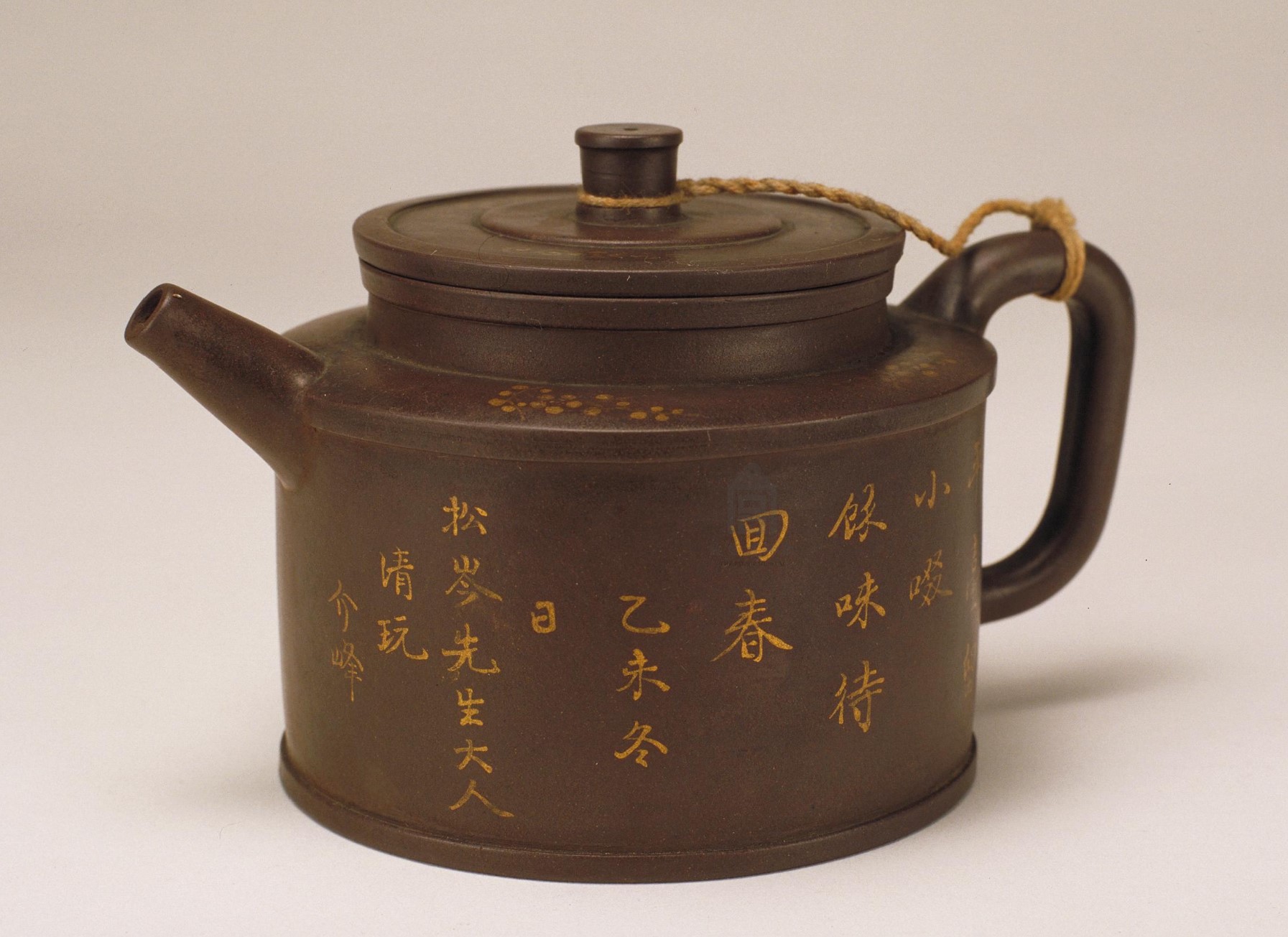
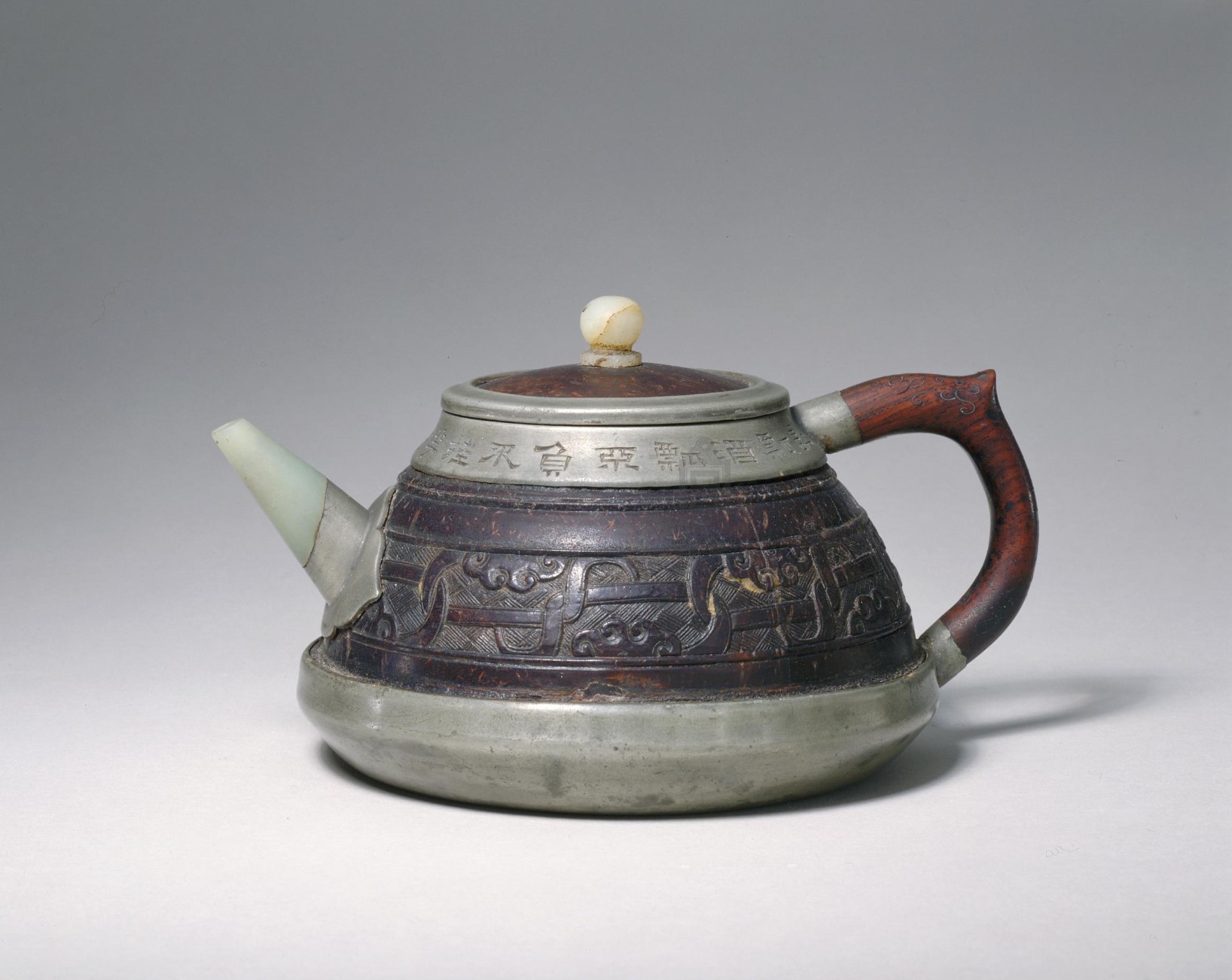
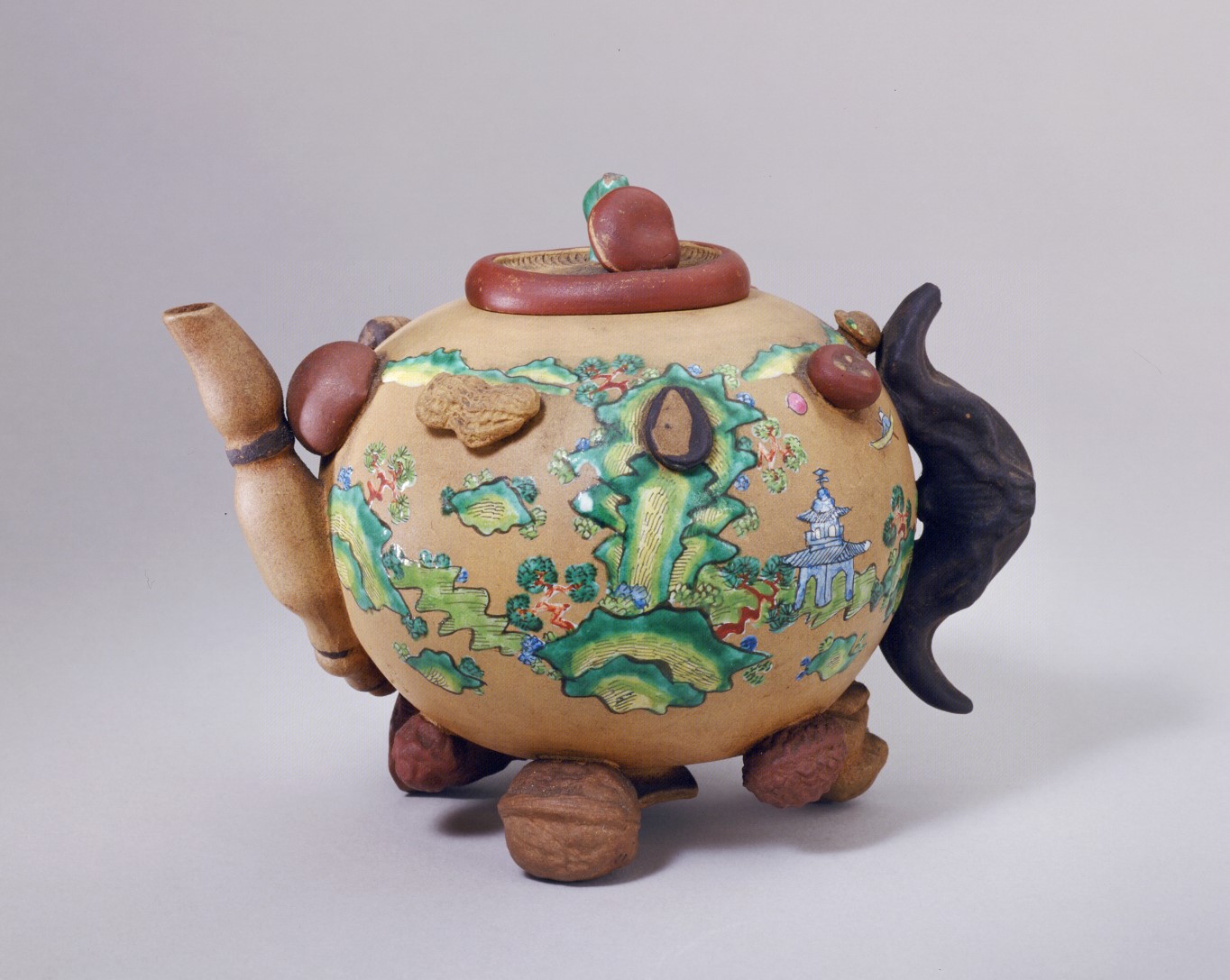
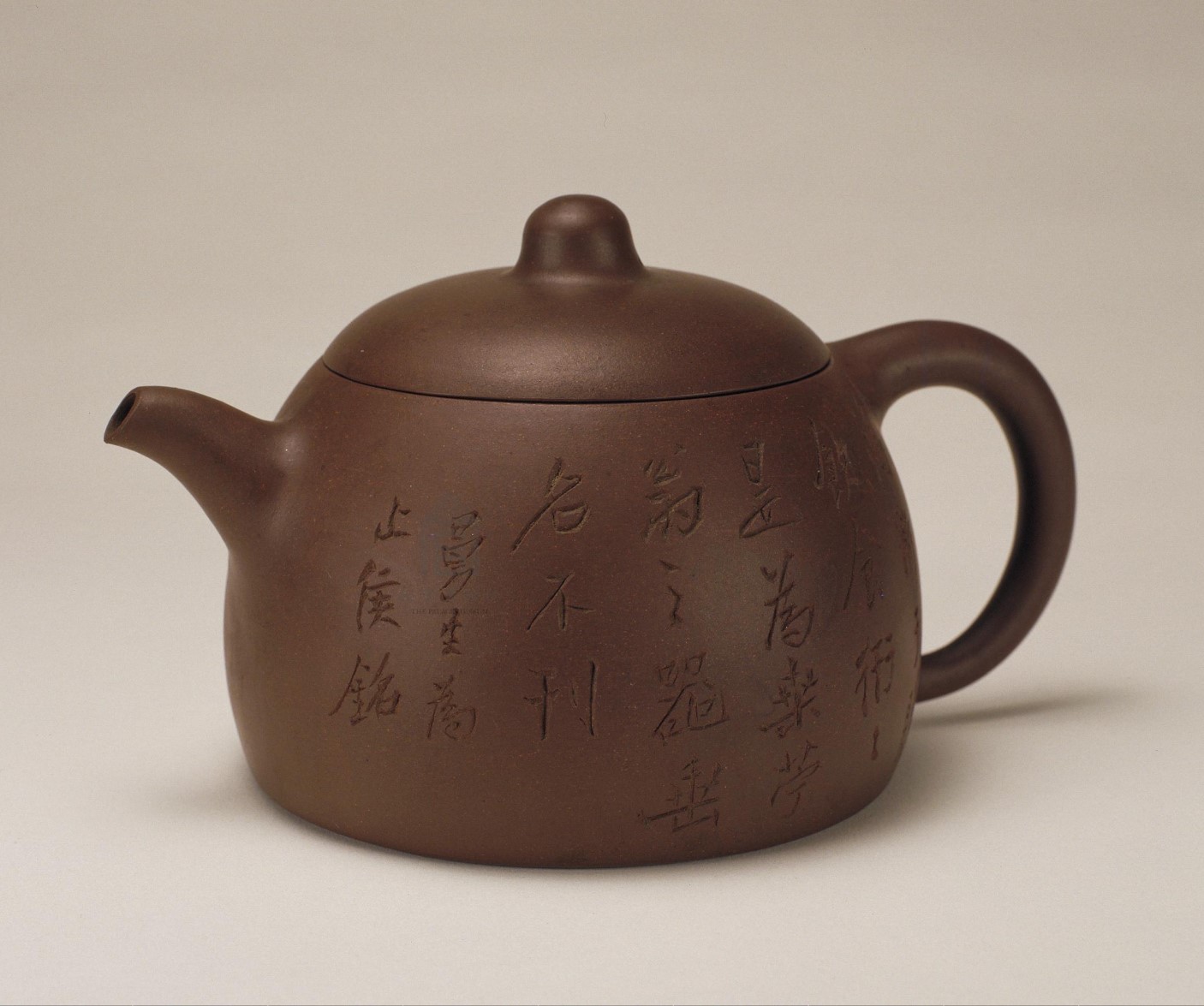
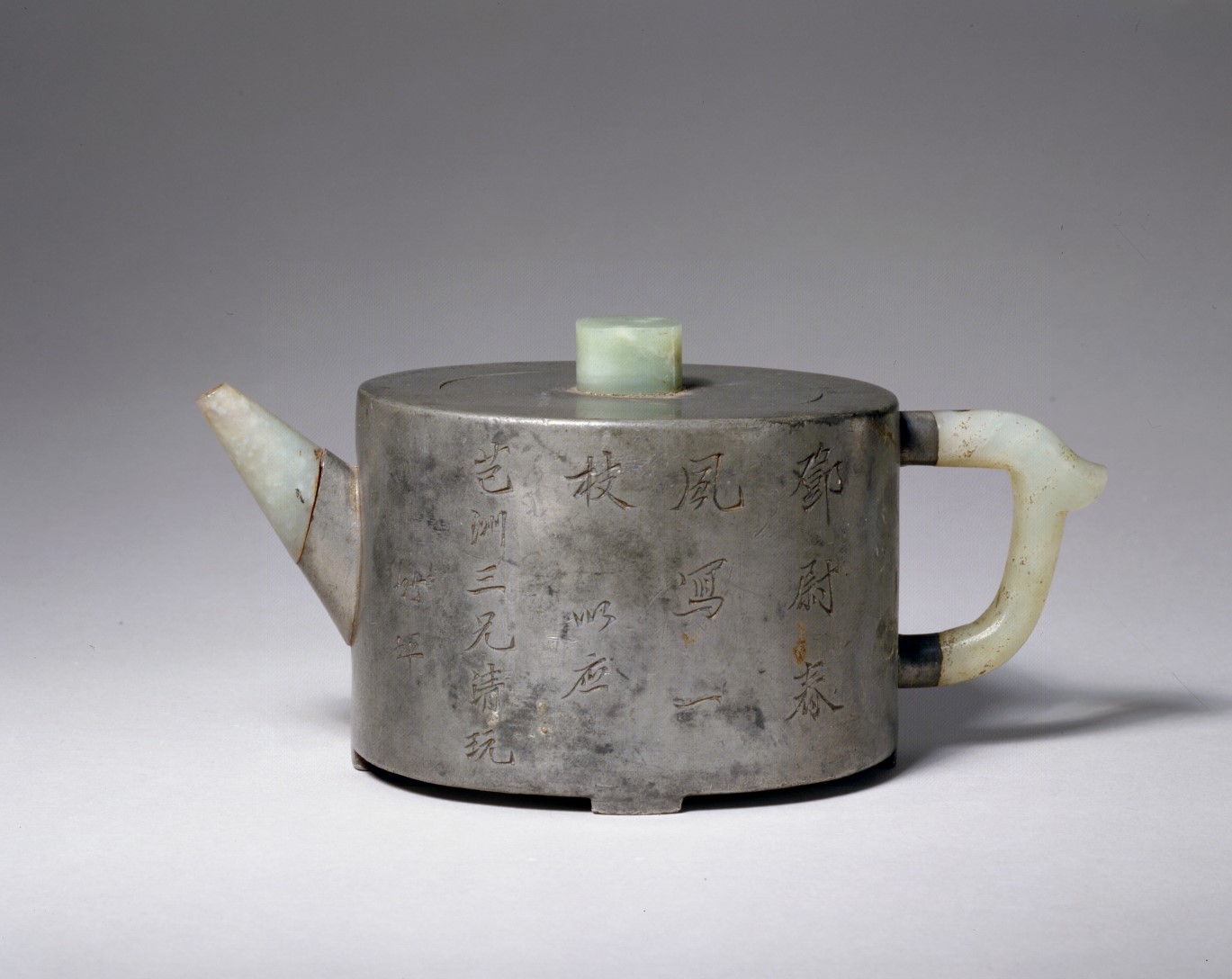
Imperial Zisha Teapots, Late Qing Period
Collection of The Palace Museum
C. Conclusion: The Historical Place of Imperial Zisha
Despite sharing similarities with imperial porcelain as pioneers in technical exploration and innovation, imperialZisha teapots never achieved comparable artistic influence. They neither established a distinct stylistic school nor produced designs widely adopted and imitated by the public, lagging behind both imperial porcelain and the finest civilian Zisha pieces of their time.
This was not due to a lack of creativity among the artisans, who produced the finest civilian pieces as well. Nor can it be blamed solely on imperial taste. While artisans working for the court enjoyed great material freedom—including generous budgets and access to cutting-edge techniques—their artistic freedom was constrained. Their creations had to conform to strict imperial regulations and aesthetic standards, with severe consequences for deviation. The Forbidden City was a client with absolute privilege, not merely an art patron. Unlike porcelain production, which relied on collective, highly segmented labor, creating a Zisha teapot has always resembled the work of a novelist or painter. Ultimately, the enduring appeal of Zisha teapots remains in the individual, free-spirited creation of the artist—a quality that even an Emperor could not fully command .
Although Zisha art has always embraced diverse aesthetics, its core tradition has consistently valued simplicity and austerity, clashing with the imperial preference for opulence and complexity. This aesthetic is rooted not only in traditional Chinese scholarly taste but, more fundamentally, in the very nature of the Zisha clay itself.