.png?w=1280&h=354)

1. The Polymath Genius and Pioneer
Chen Mingyuan (active during the Kangxi and Yongzheng reigns of the Qing Dynasty, mid-17th to early 18th century) is widely regarded as the second great master of Zisha teapots after Shi Dabin.
Not only did he create a series of extraordinary works, but he also pioneered two major genres of Zisha pottery: "Huāqì" (naturalistic sculpting) and "Wénrén Hú" (literati teapots). By seamlessly integrating nature-inspired carvings, calligraphy, and seal engraving into his designs, he vastly expanded the artistic expression and cultural depth of Zisha pottery.
Born into a family of Zisha artisans, Chen was a true polymath. Educated at the Imperial Academy (Guózǐjiàn), he excelled not only in ceramics but also in calligraphy, seal carving, and poetry—a refinement evident in his works.
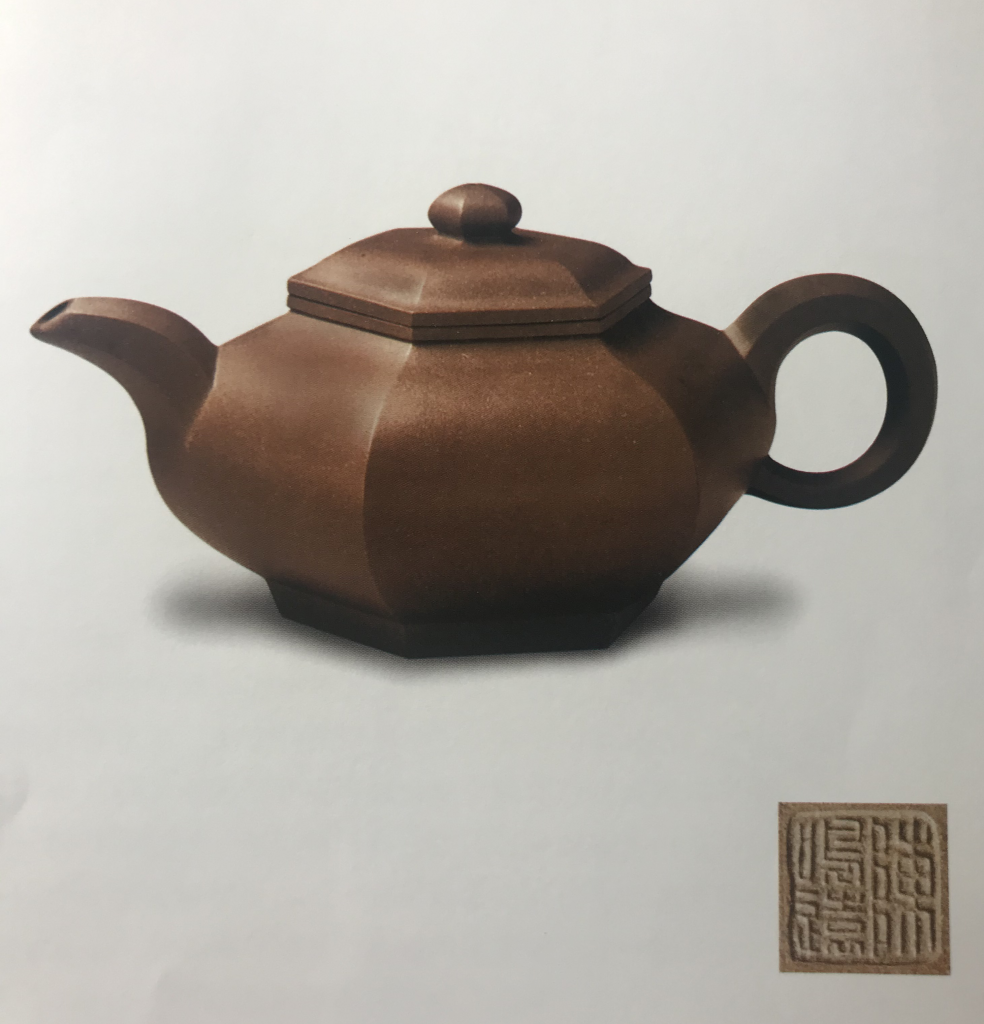
Hexagon, Shanghai Museum Collection
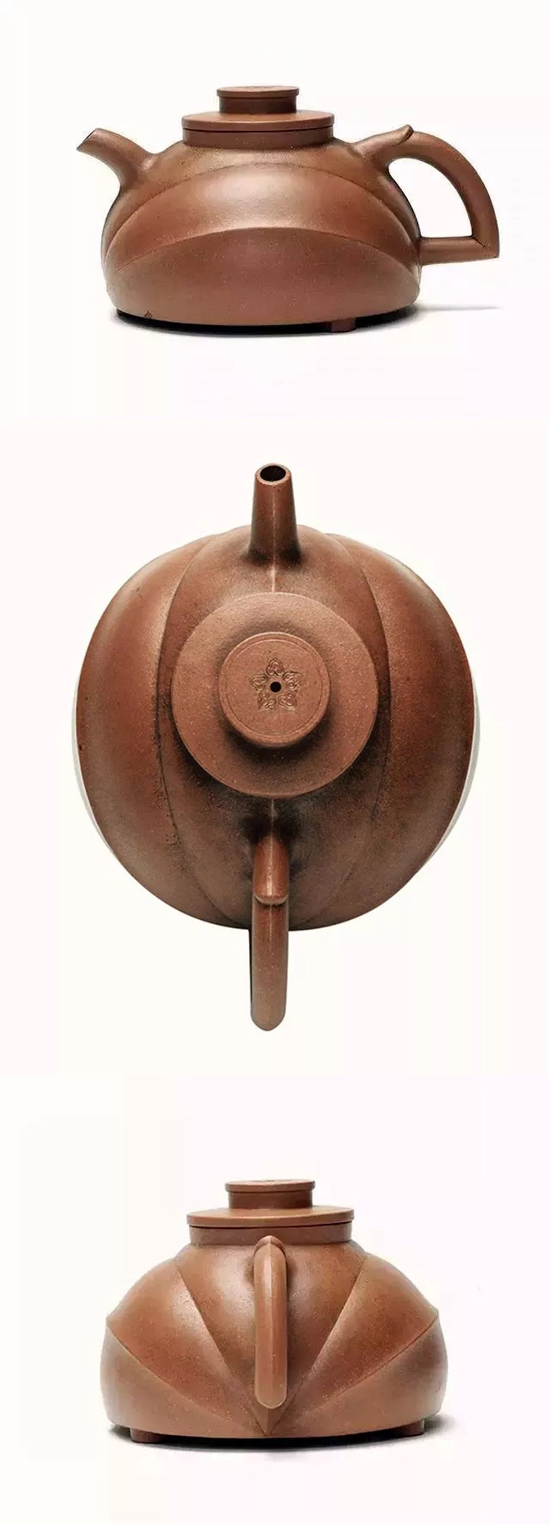 Curves and Ridges, Shanghai Museum Collection
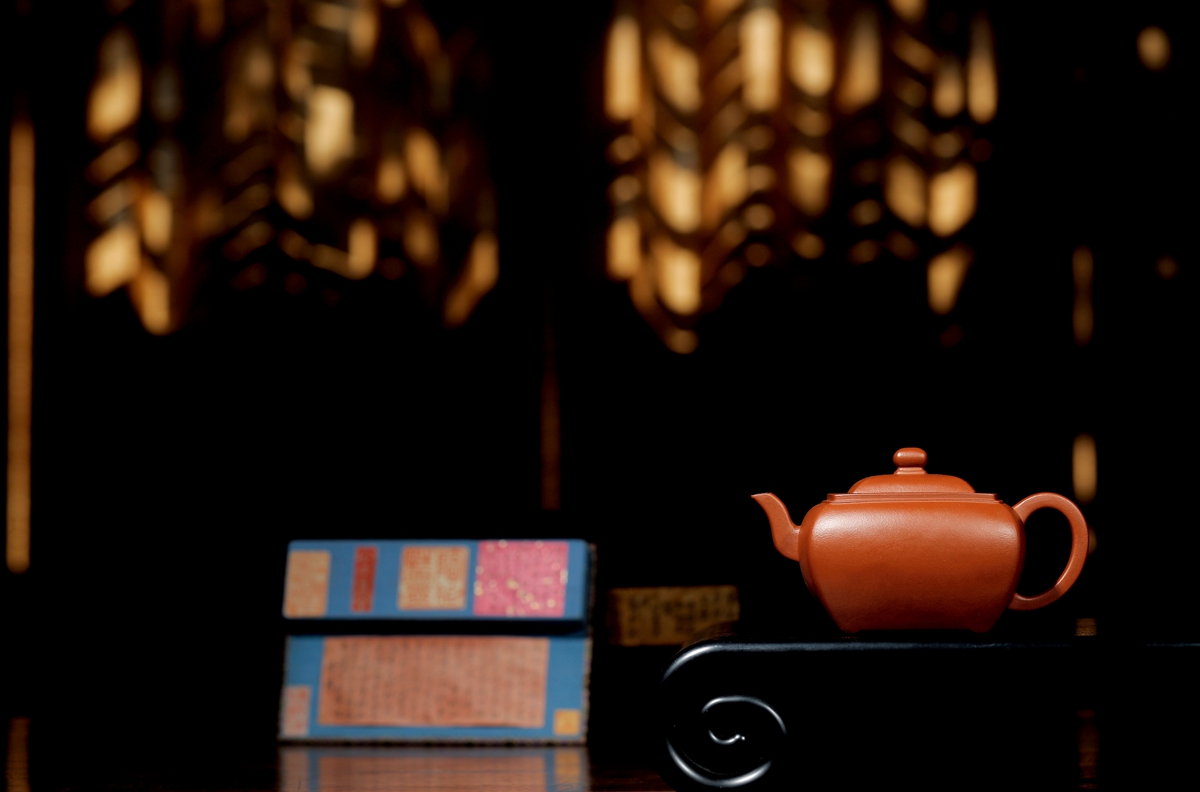 Zhuni Dingmao, Auctioned for 27,600,000 RMB at Xiling 2022 Spring Auction
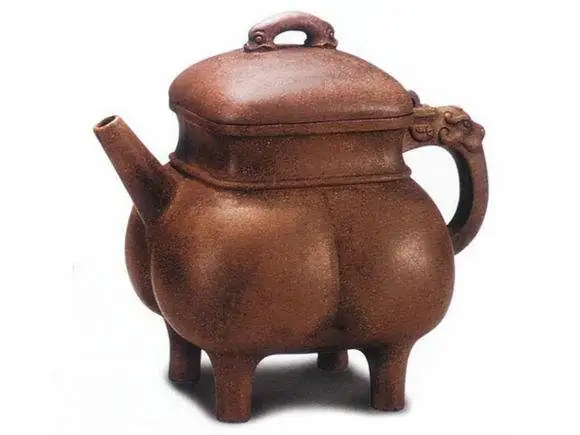
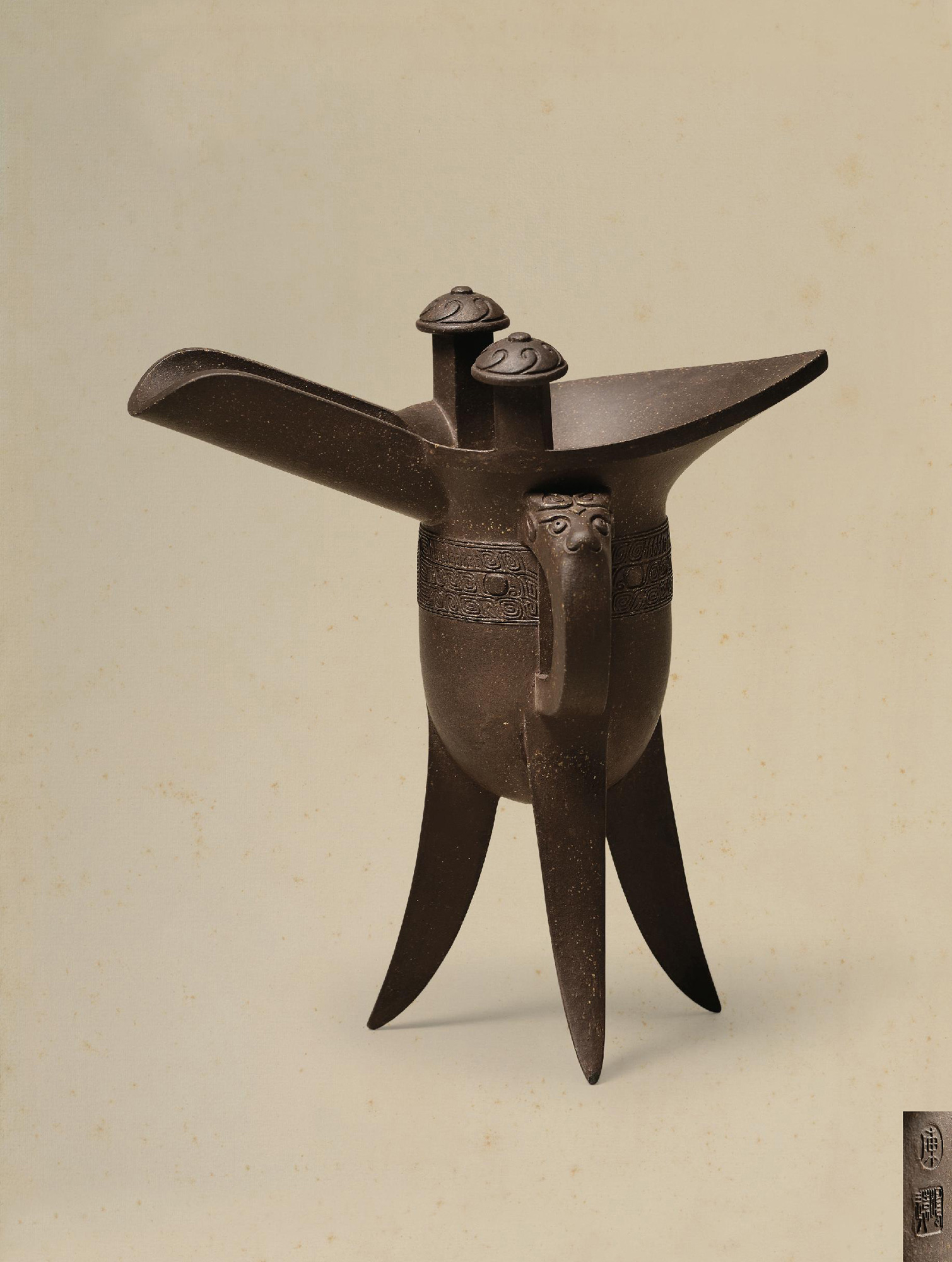
Ritual He, Shanghai Museum Collection
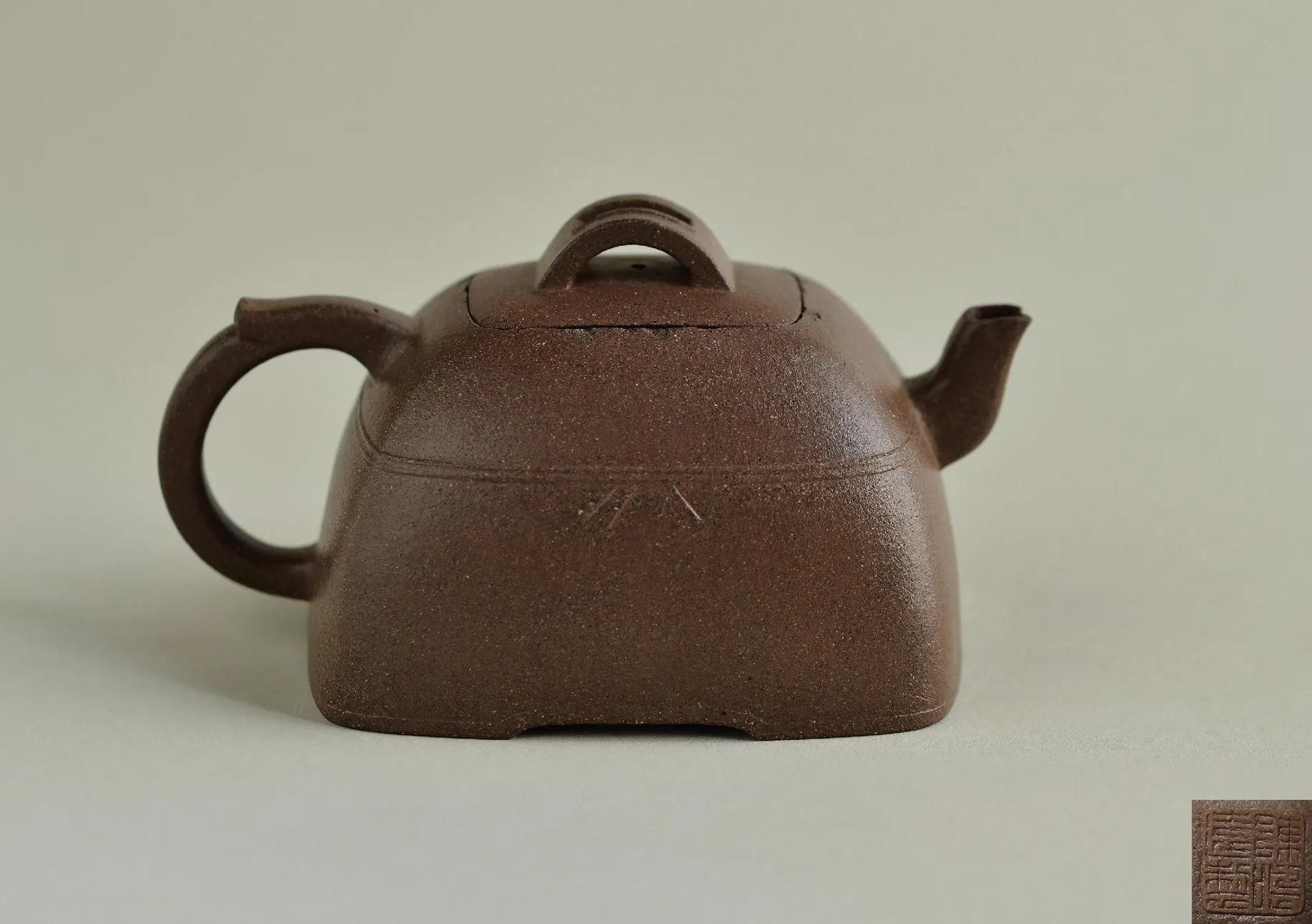 Waist Sash, Auctioned for 9,890,000 RMB at Poly 2013 Autumn Auction
Inscription at bottom: A pot of clear tea,
Ten thousand volumes of books;
By bright windows and clean desks—
Joy, unstrained and effortless.
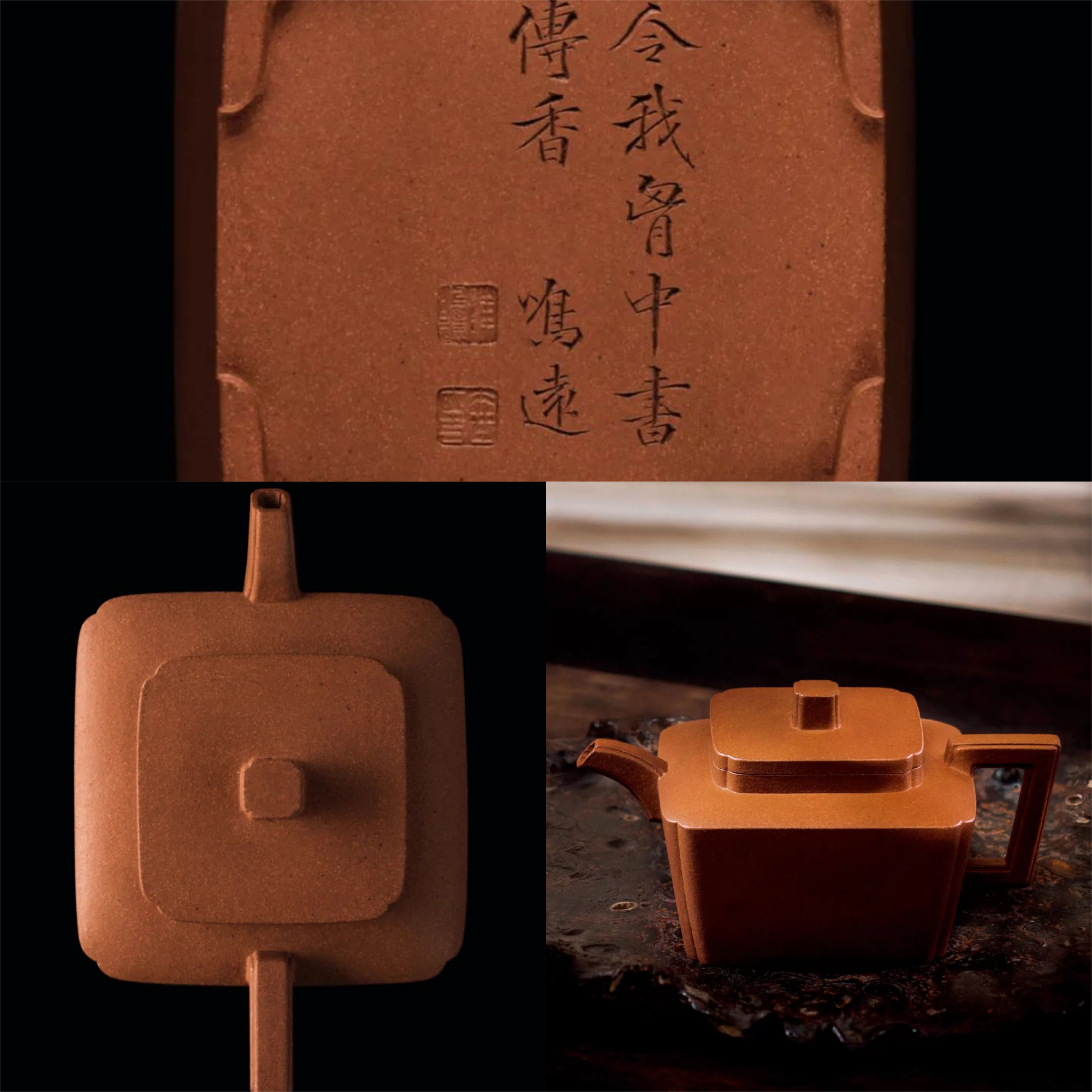
Awaken Aroma, Auctioned for 34,500,000 RMB at Poly 2016 Autumn Auction
Inscription at Bottom: It awakens my inner library with its lingering aroma
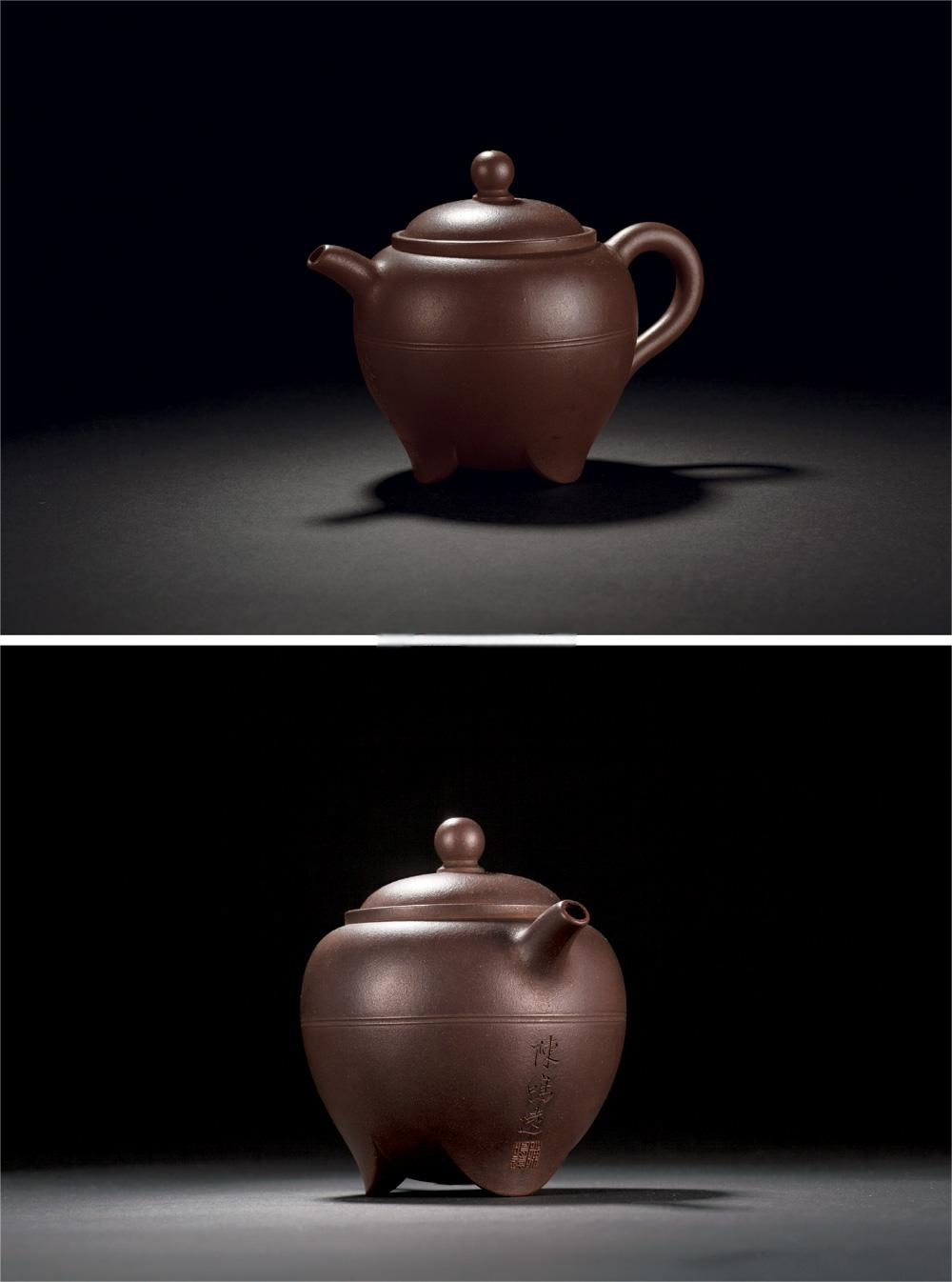 Plain-Girdle, Auctioned for 31,625,000 RMB at Poly 2015 Spring Auction
2. The Innovator of Huāqì
Chen Mingyuan broke away from the rigid geometric traditions of the late Ming Dynasty, introducing Huāqì—teapots shaped like natural forms (e.g., pumpkins, pine trunks, bundled firewood). Though Huāqì is now a celebrated Zisha style, his innovation initially faced criticism for being "too delicate" and departing from classical norms.
The technical mastery of his works remains unparalleled. Even with modern knowledge and tools, only a handful of artisans today can match his precision. Unlike later Huāqì pieces that prioritize flamboyance, Chen’s designs celebrate nature’s subtle fun and elegance, through meticulous observation and understated artistry—a testament to his deep reverence for the natural world.
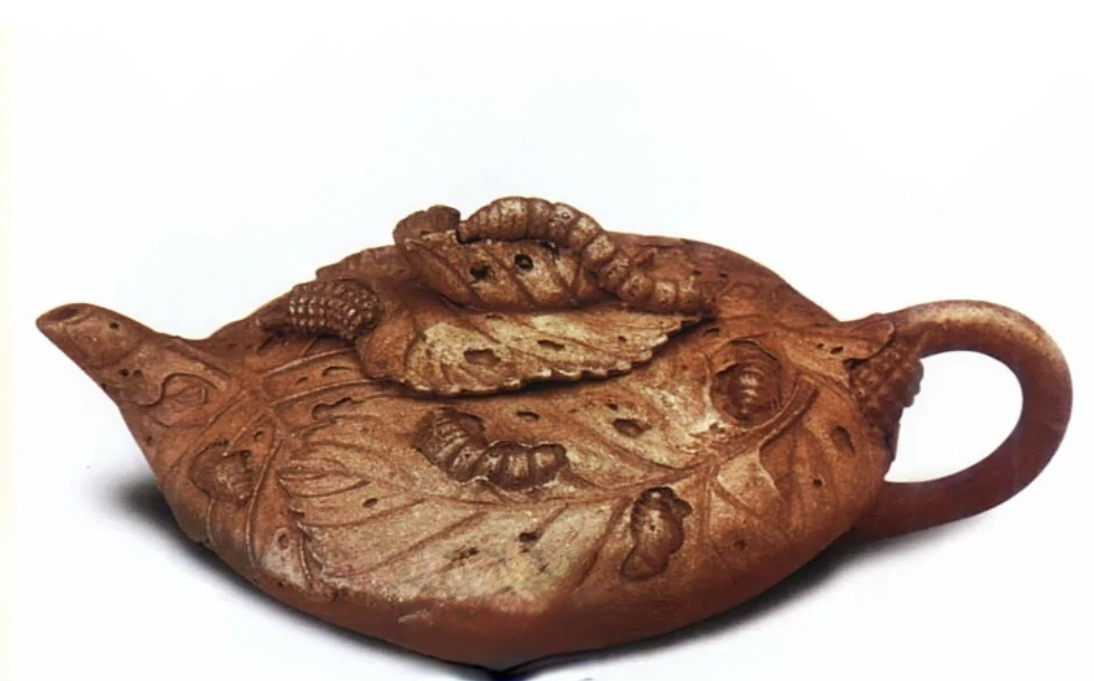
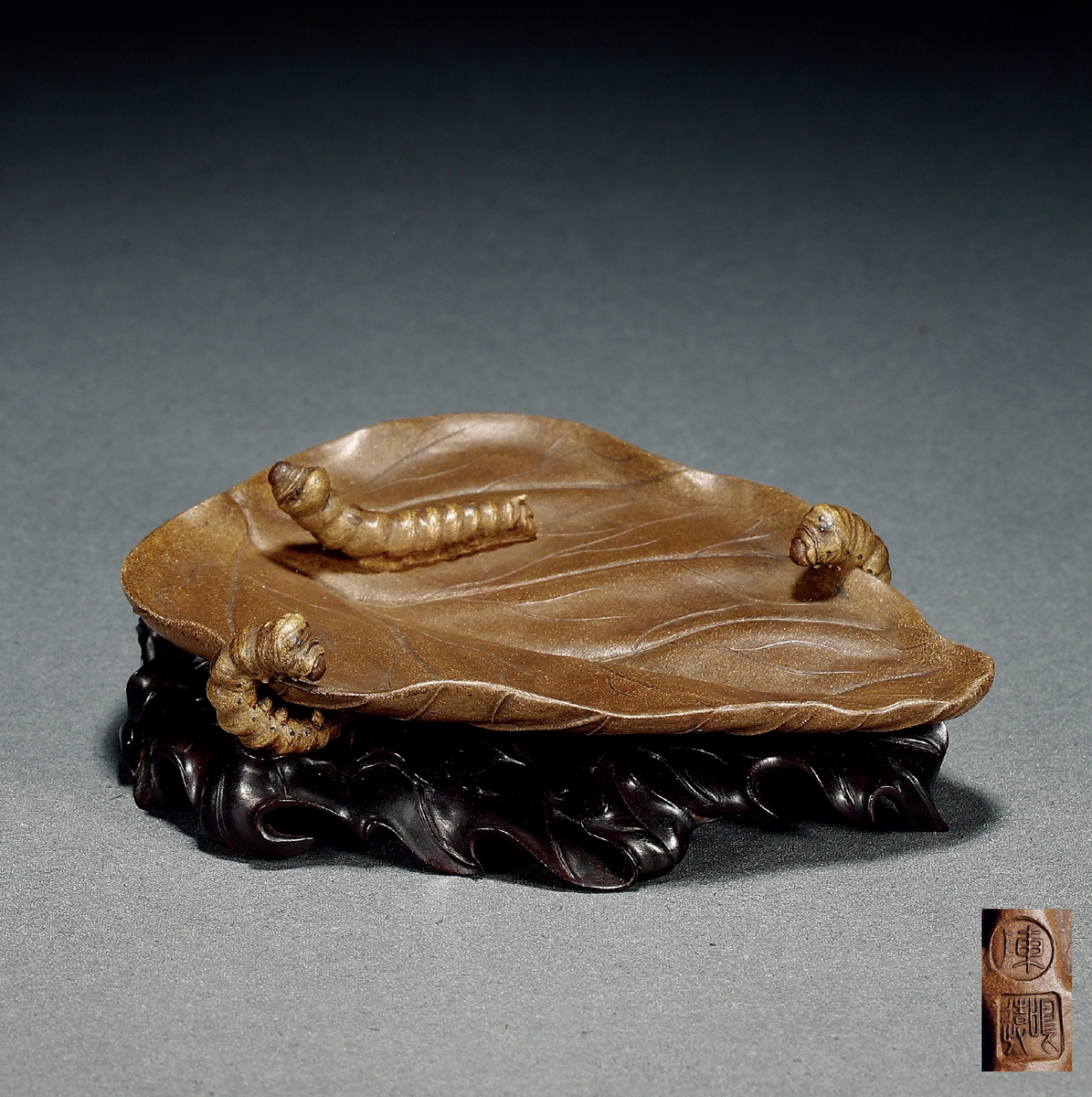
Mulberry Leaves and Silkworms, Art Museum of CUHK Collection
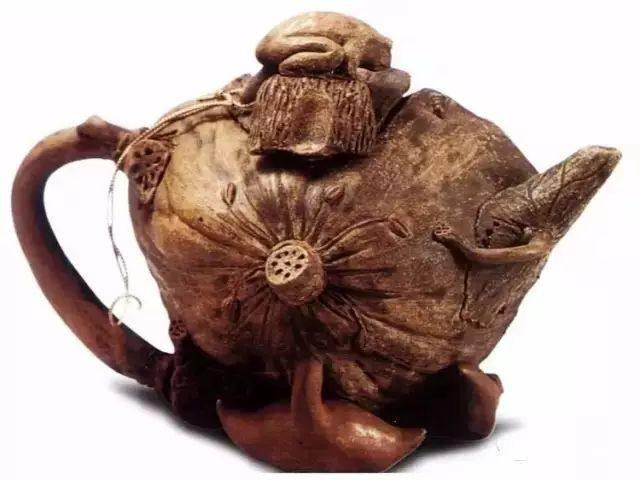
Toad and Lotus, Shanghai Museum Collection
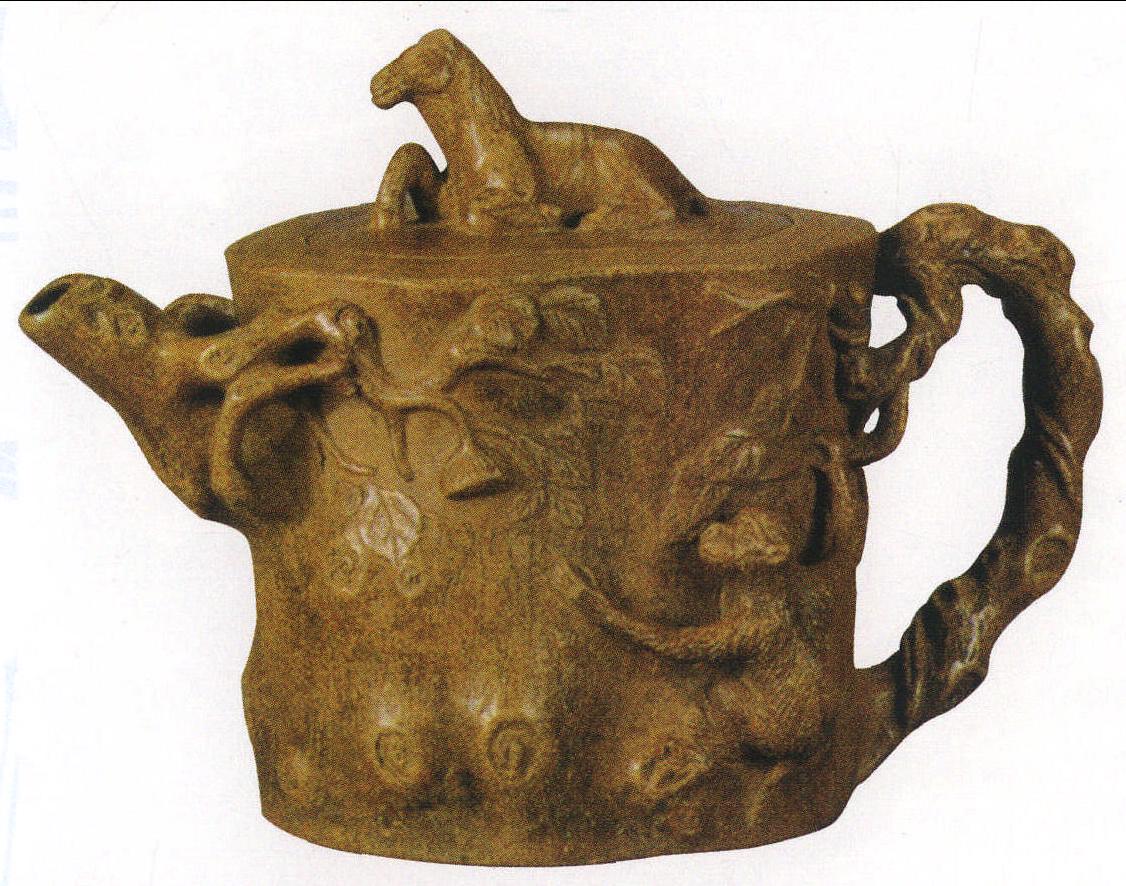 Horse and Monkey, Shanghai Museum Collection
Inscription at bottom: A sublime tea is ever like a beauty
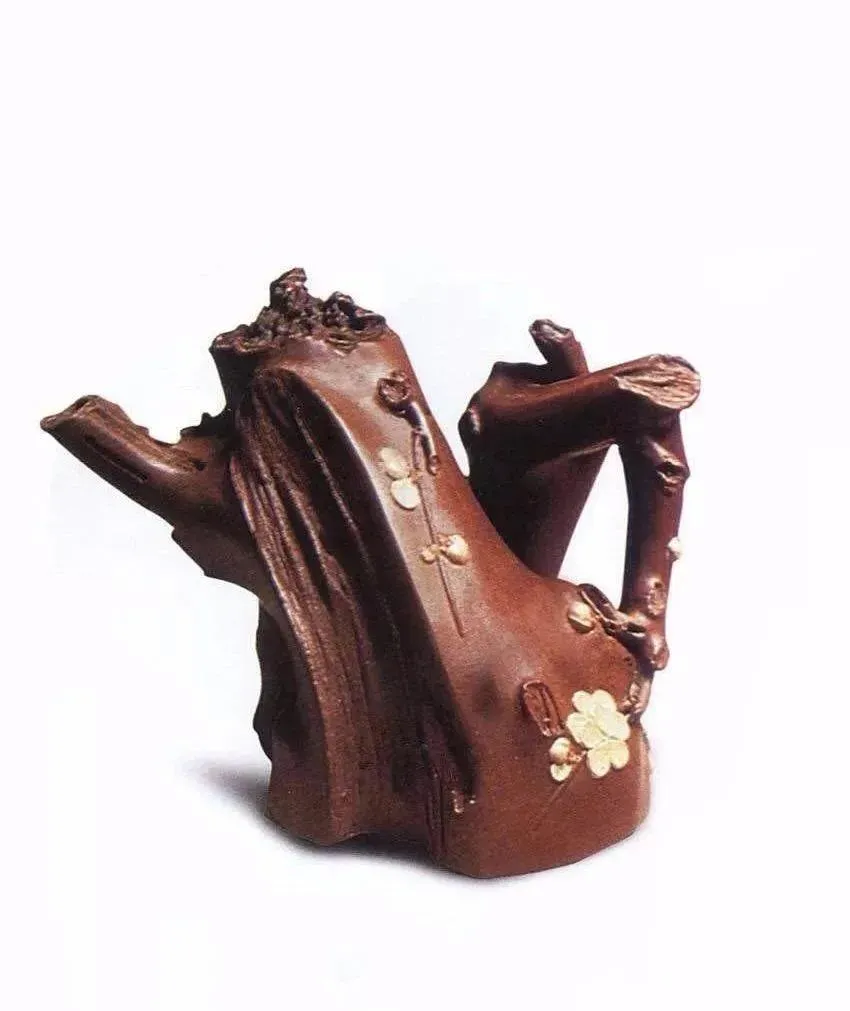 Plum Blossom, Seattle Museum Collection
Inscription on the body: First of flowers, noblest of winter's trio
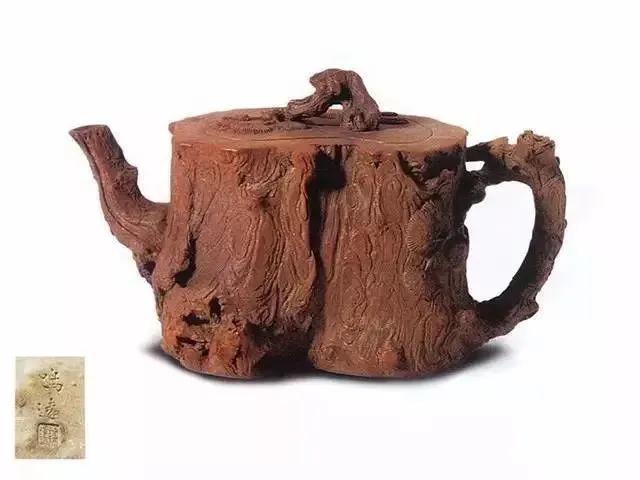
Pine Tree, Yixing Zisha-Ware Museum Collection
.jpeg?w=2500&h=2254) Winter's Trio Friends, Art Museum of CUHK Collection
Winter's Trio Friends, Art Museum of CUHK Collection
3. The Poet of Clay: Wénrén Hú
Chen Mingyuan revolutionized Zisha decoration by etching poetic inscriptions directly onto the teapot's body. His engraving skills were so exceptional that some critics of his era valued his carvings more than the teapots themselves.
Yet, he never indulged in ostentatious displays of skill. His inscriptions were predominantly original texts, characterized by concise yet elegant prose, through intertextual references to classic poetry and tea canons, these texts articulate a distinctly Chinese literati aesthetic that equates tea appreciation with existential magnanimity. With a few deft strokes, he could elevate a teapot’s spirit, much like the philosophical brevity of Su Shi’s prose. In contrast, many contemporary Zisha works feature clichéd or poorly understood texts—empty aphorisms or clumsily borrowed verses—lacking Chen’s intentionality and noble sentiments.
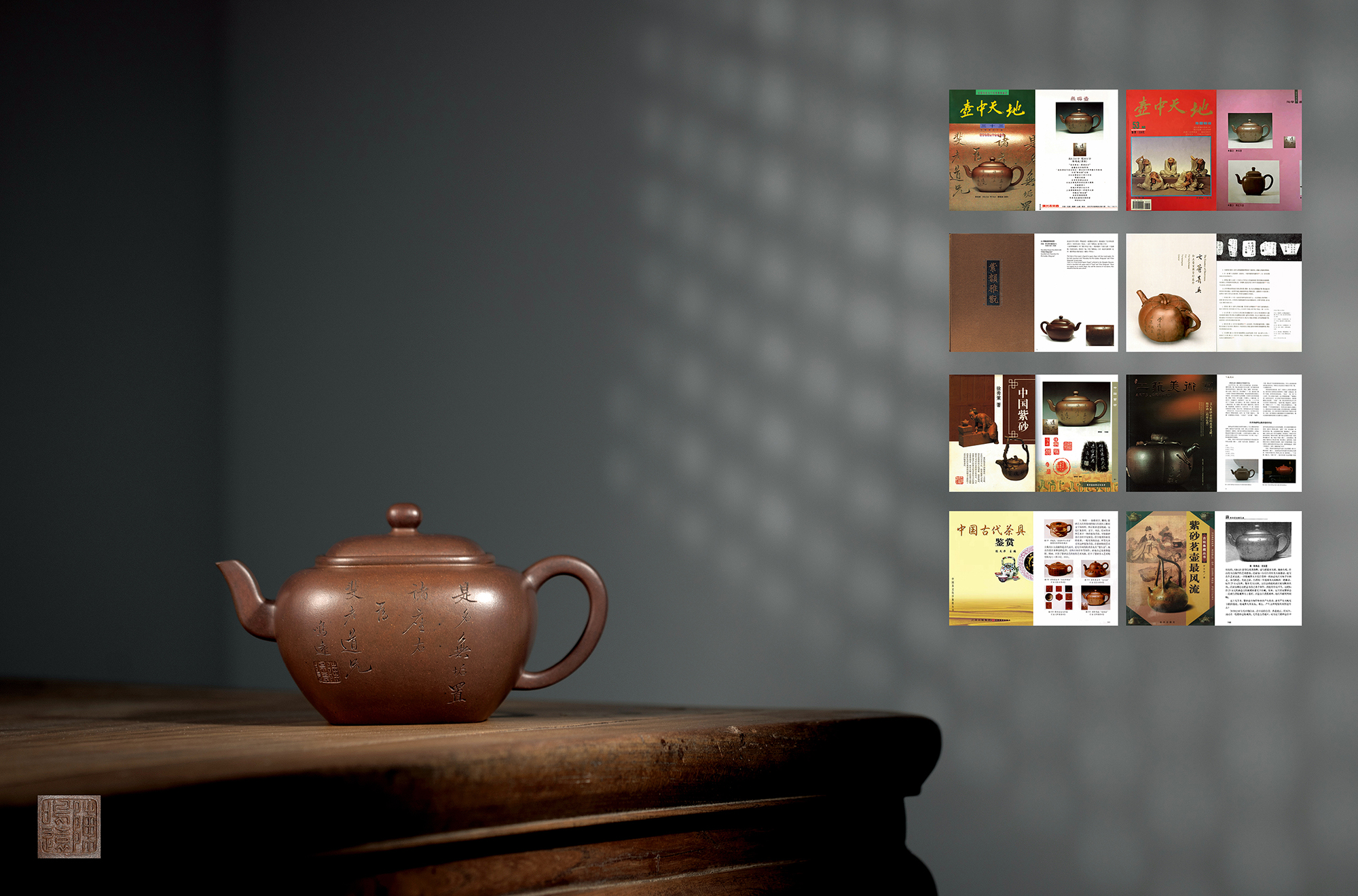 Immaculate, Auctioned for 21,677,500 RMB at Xiling 2023 Autumn Auction
Inscription on the body: Named ‘Immaculate’,
Placed at the seat of honor.
For Elder Brother Fei.
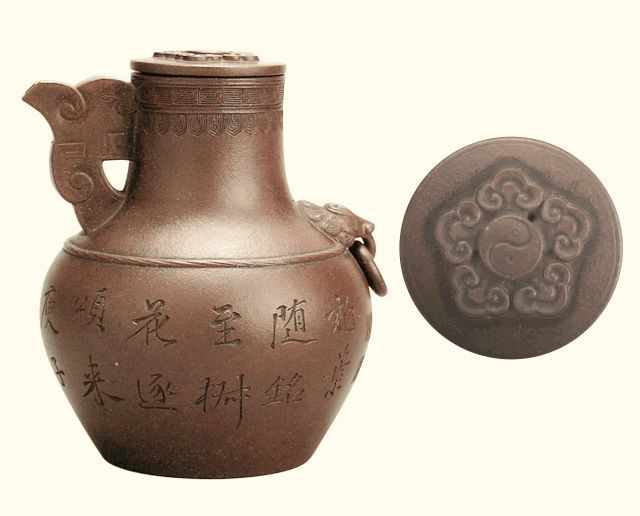
Celestial Rooster, Tianjin Museum Collection
Inscription on the body: Cypress leaves arrive with inscriptions,
Pepper blossoms follow praises in.
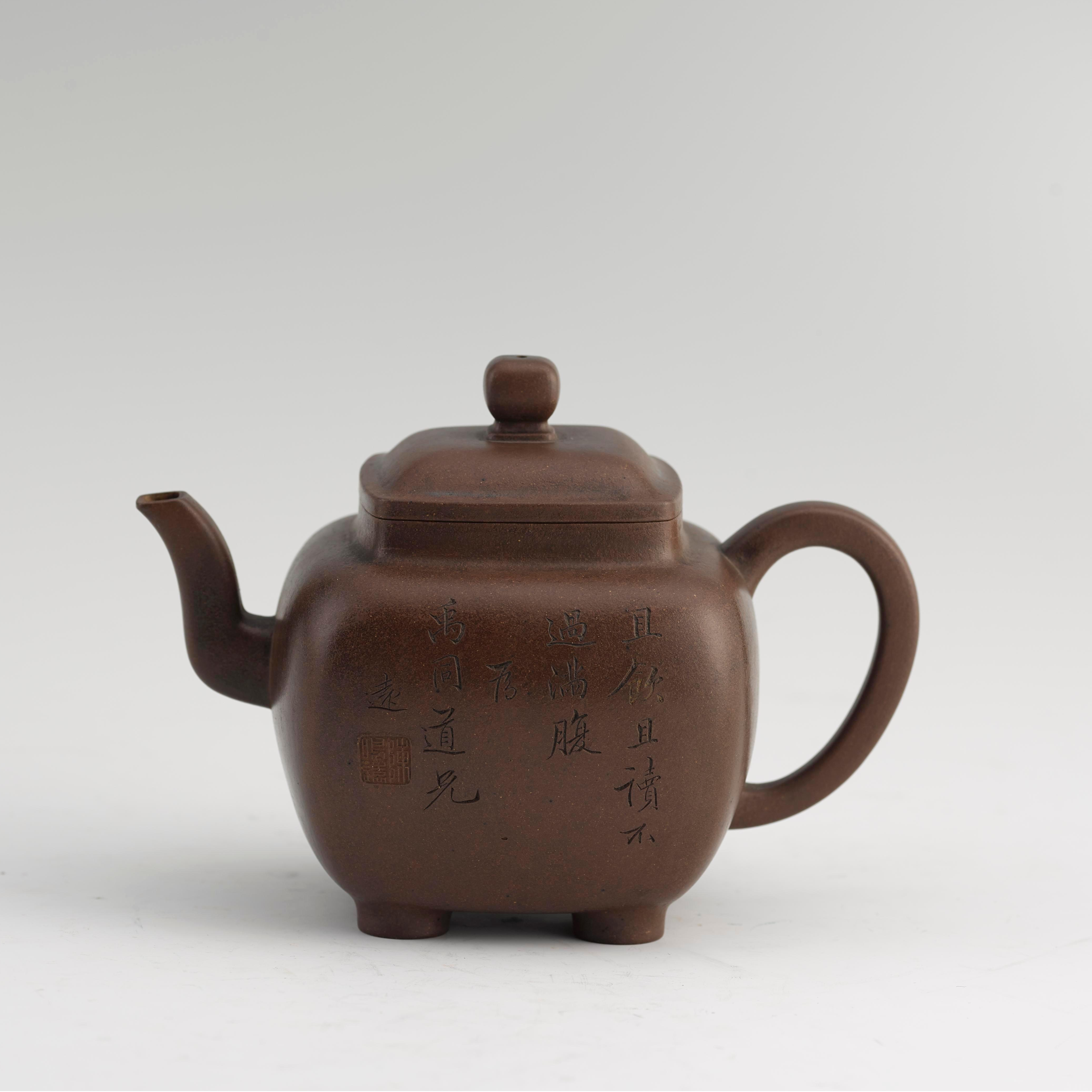 Four-footed Quadrate, Shanghai Museum Collection
Inscription on the body: Drink modestly, read lightly
Neither belly nor mind should swell mightily
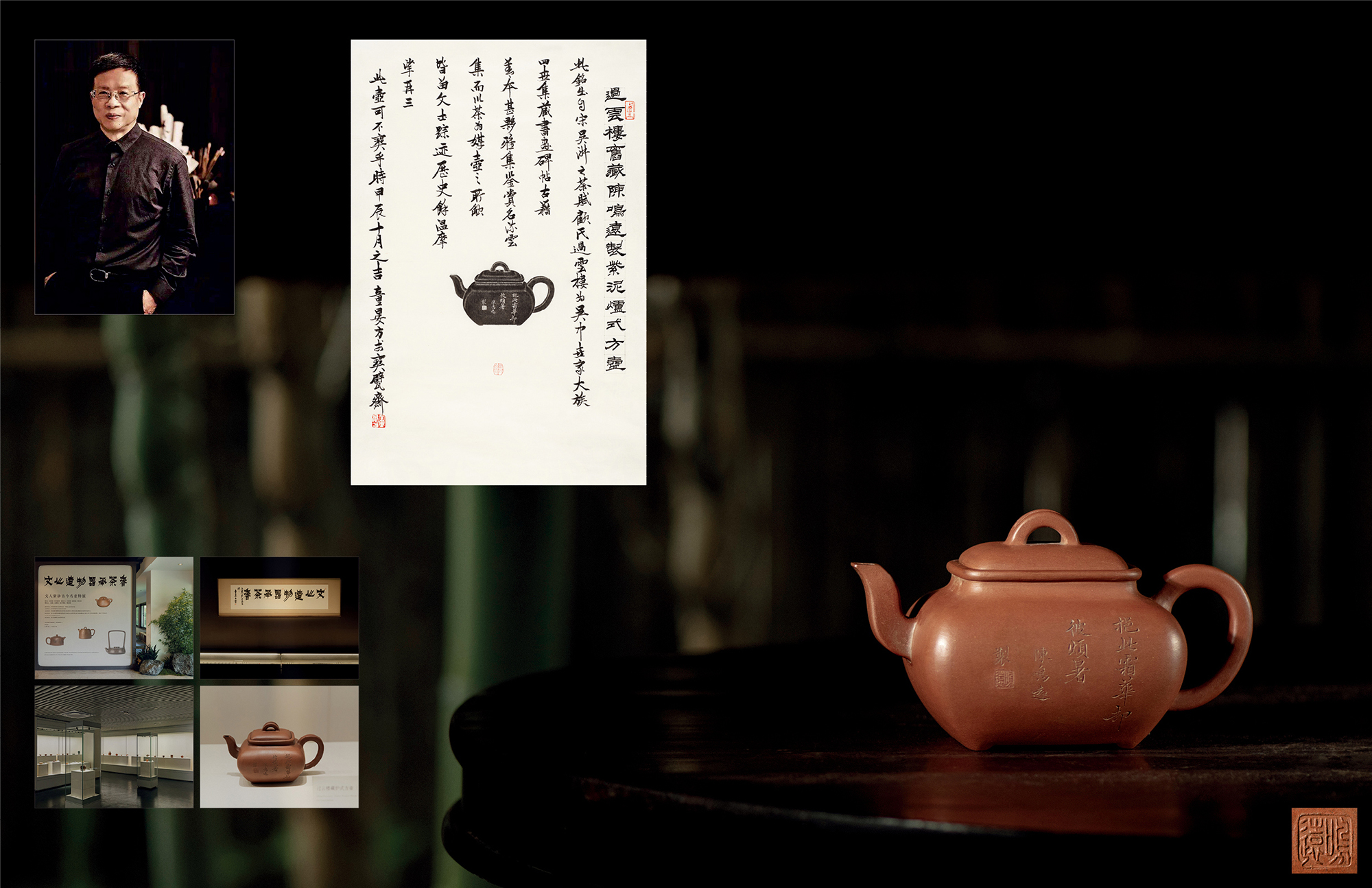
Quadrate Oven, Auctioned for 4,485,000 RMB at Xiling 2024 Autumn Auction
Inscription on the body: Ladle this frost-bloom tea,
Banish that sweltering heat.
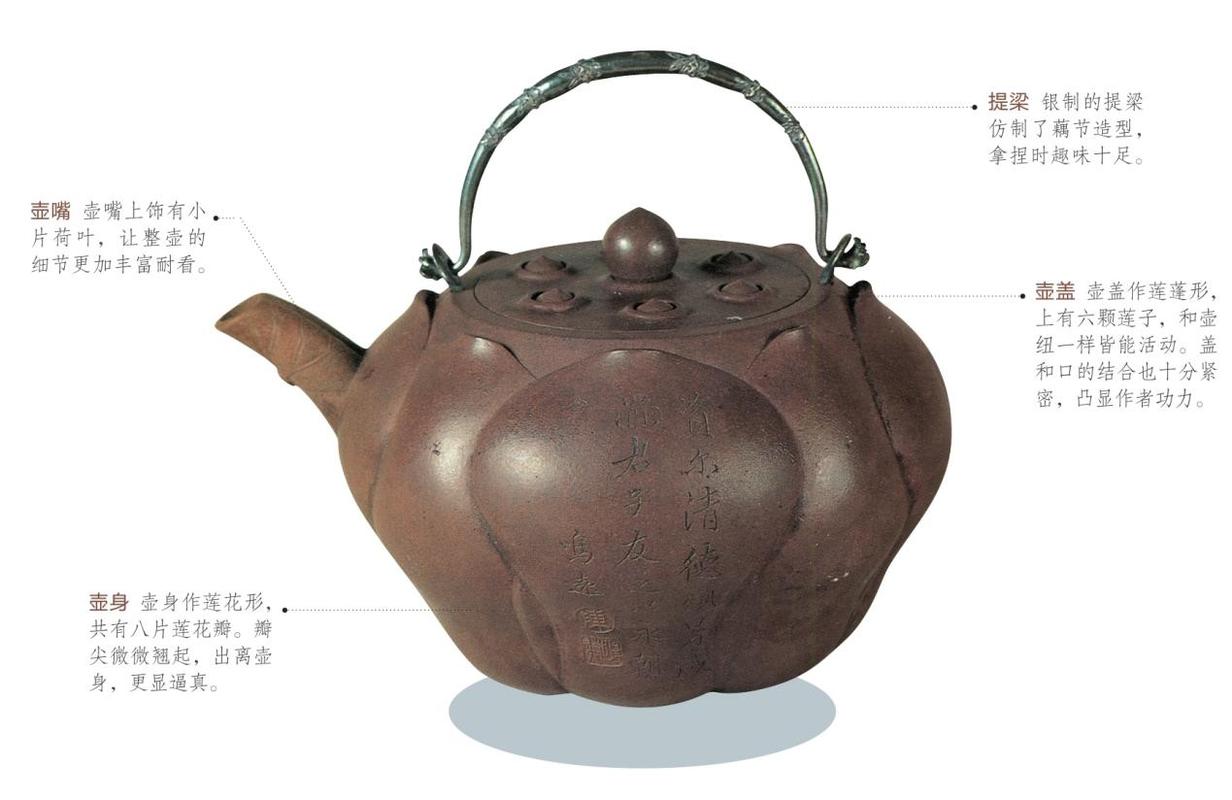
Lotus Teapot with Sliver Handle, Suzhou Museum Collection
Inscription on the body: Endowed with purity,
banishing worldly heat;
A gentleman's faithful companion,
through dawn and dusk complete.
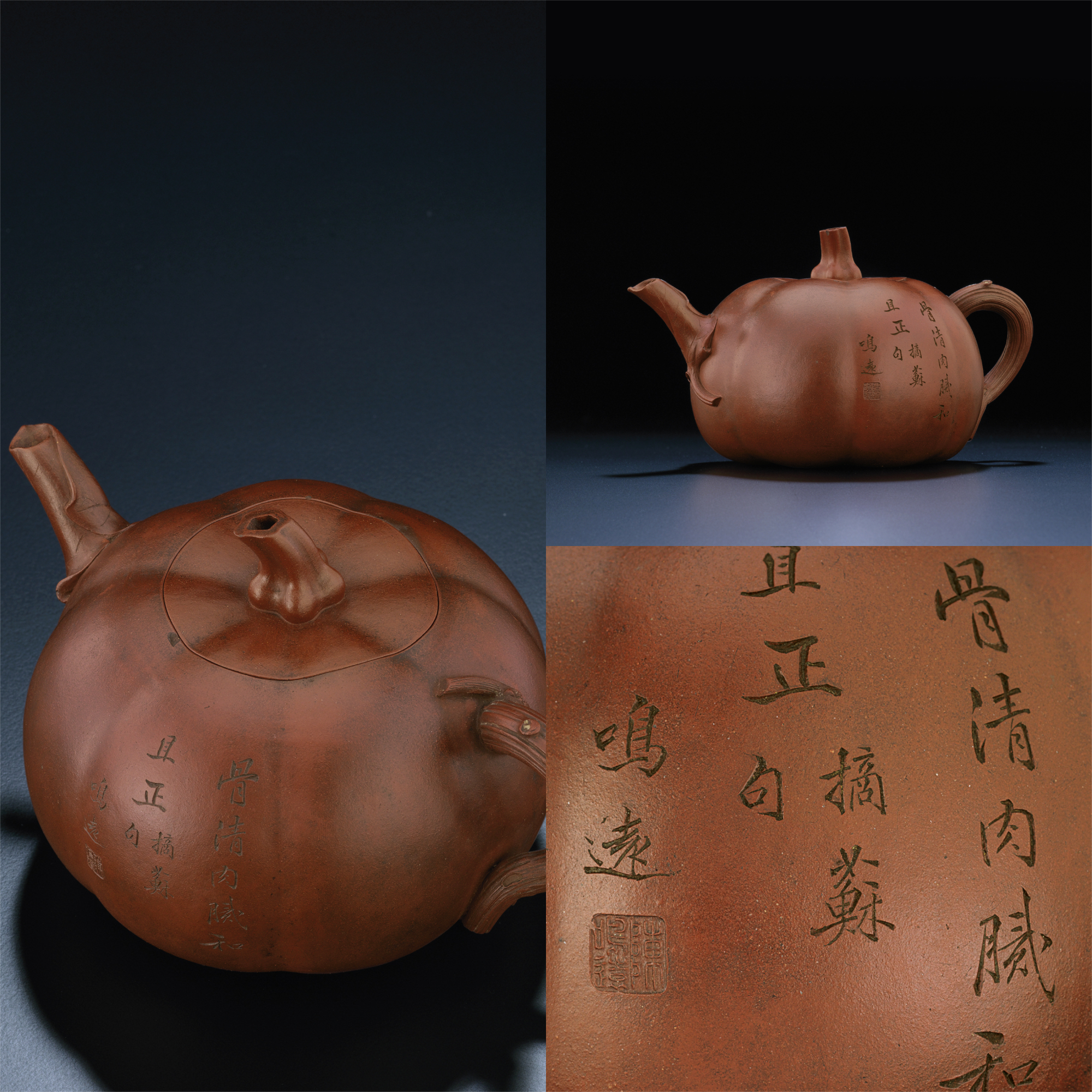 Pumpkin, Auctioned for 8,420,000 HKD at CHRISTIE'S 2011 Auction
Inscription on the body: The Spirit is so refined,
The body is so smooth,
That makes a perfect harmony.
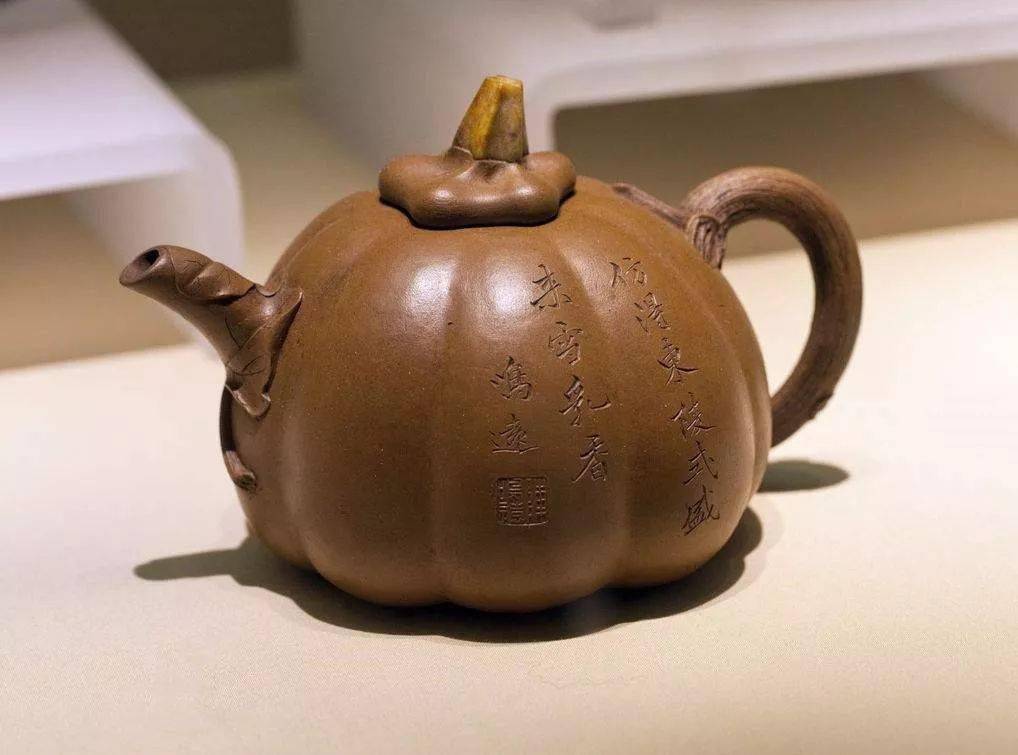 Dongling Pumpkin, Nanjing Museum Collection
Inscription on the body: Modeled after Dongling’s grace,
Filled with snow-milk’s fragrant embrace.
4. Legacy & Global Influence
Chen Mingyuan achieved fame in his lifetime, with his works coveted by the imperial court and even documented in Japan’s Minghu Tulu (Illustrated Catalog of Teapots). His collaborations with Jiangnan literati broadened his intellectual horizons, as captured in a famous verse gifted to him: "Why chase jewels and jade? A clod of Yixing’s clay outshines them all."
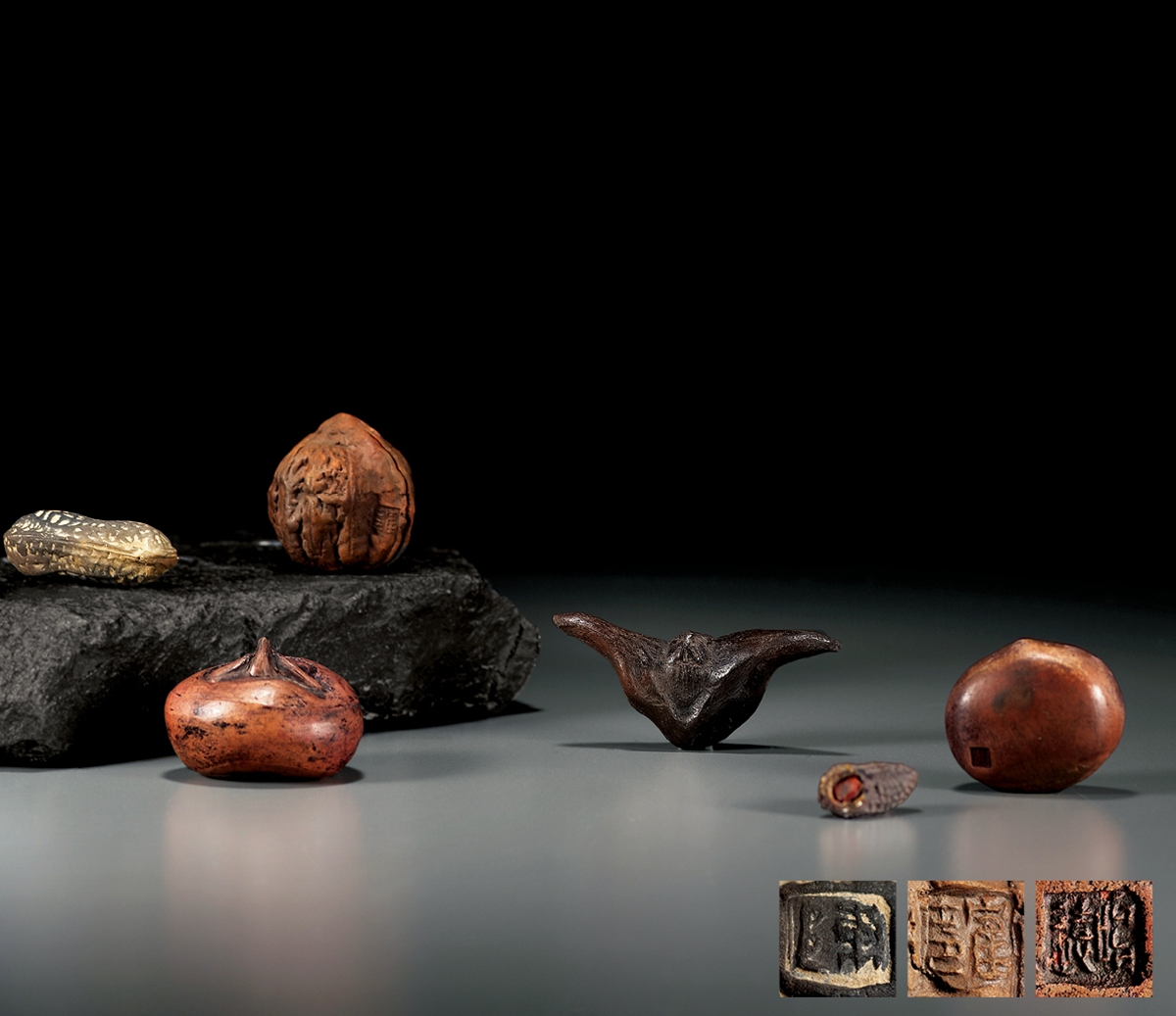
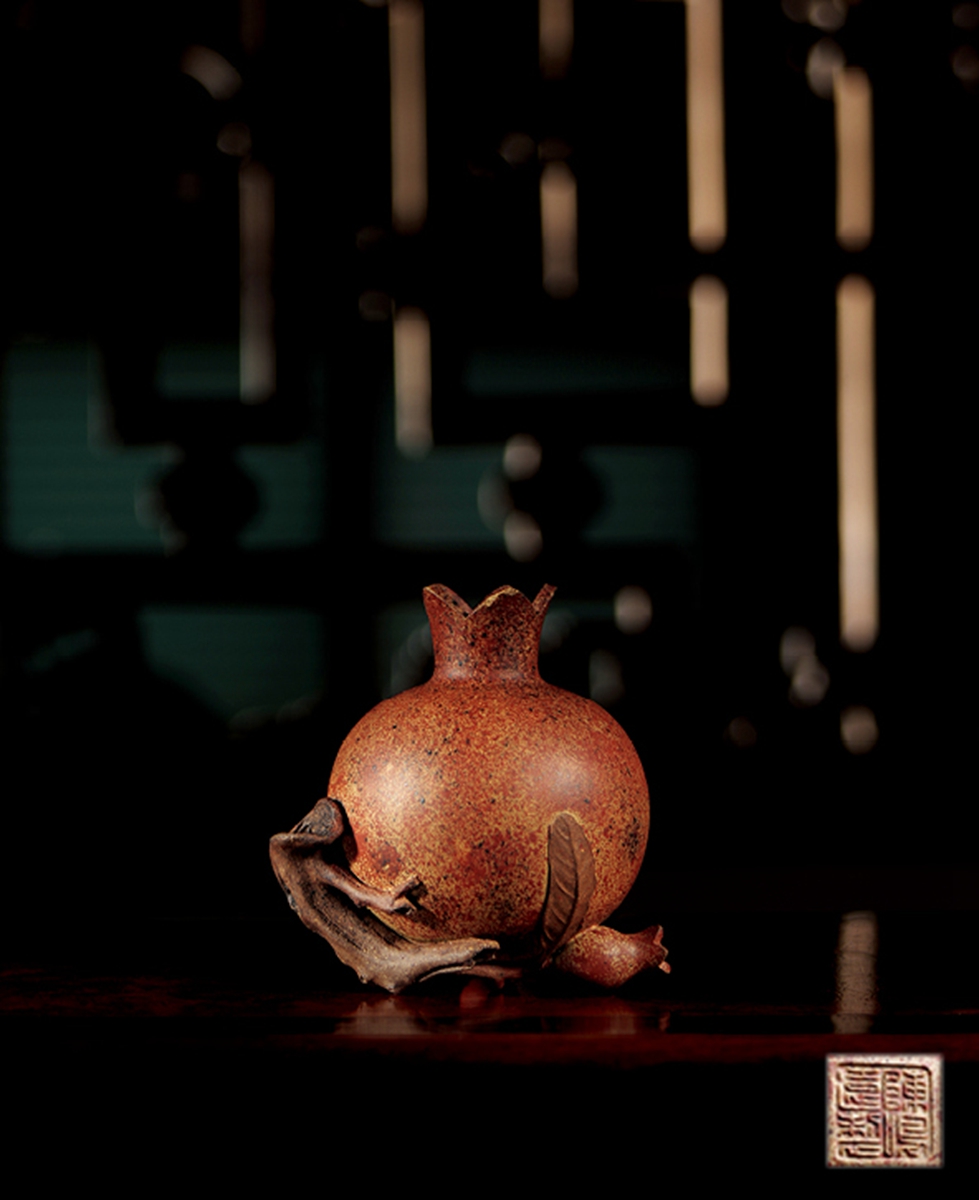
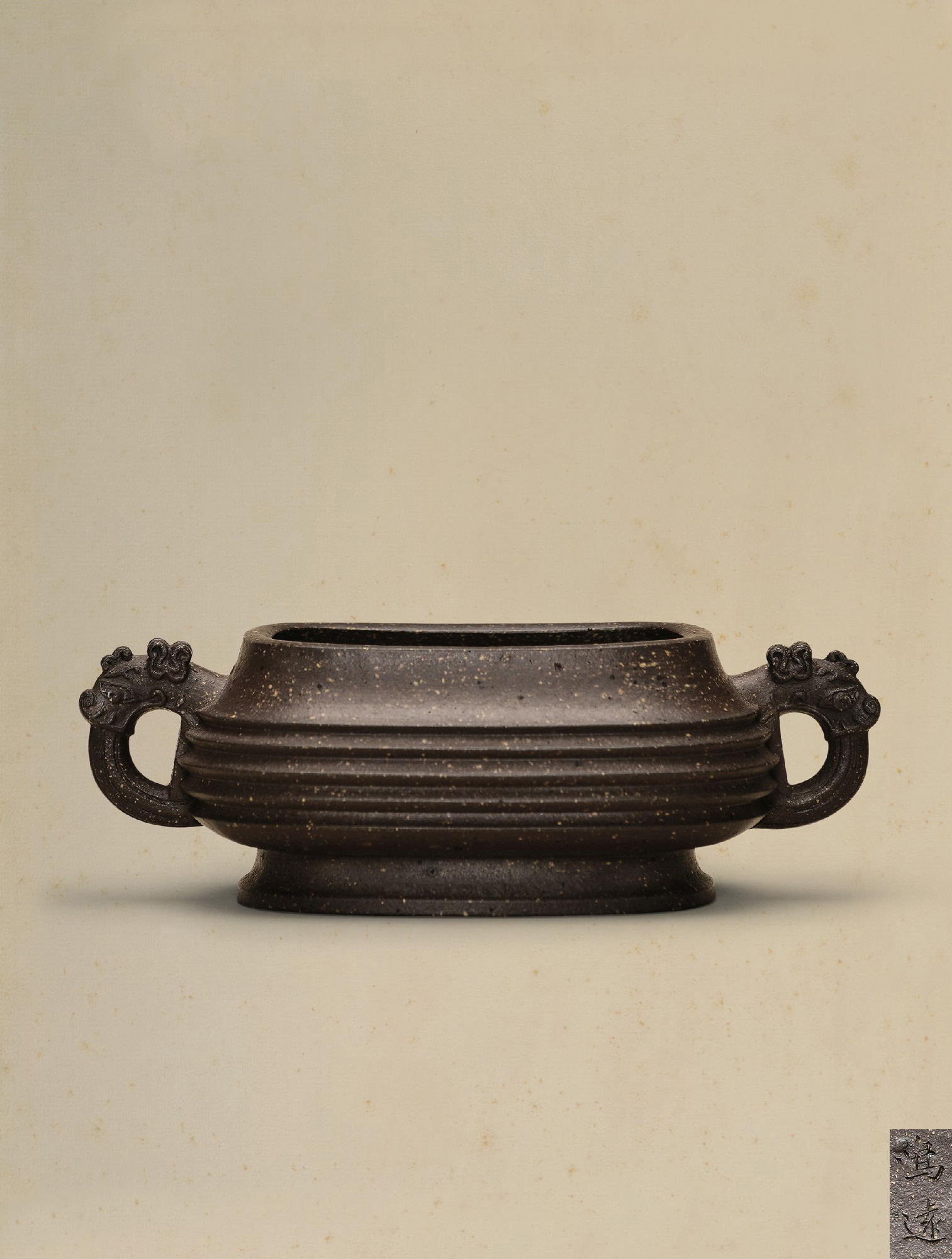
Beyond teapots, he crafted xiàngshēng (e.g., lifelike miniatures of fruits and nuts) and archaic-inspired ritual vessels (like water jars, scoops and dǐng tripods in the shape of ancient bronzes), further diversifying Zisha’s artistic scope.
Chen Mingyuan’s legacy endures as a bridge between craft and high art—a visionary who transformed humble clay into timeless poetry.