.png?w=1280&h=354)

1. Grade System in a Decentralized Market
In the world of Zisha teapots, prices can range from $10 at a street stall to $10 million at an auction. This extreme range exists because Zisha teapots combine three attributes: everyday item, handicraft, and artwork. Different grades emphasize different attributes.
Evaluating a Zisha teapot should always be based on its price and positioning. You wouldn’t hold Zara to Dior’s quality standards, right? While the Zisha teapots present a more complex challenge: most consumers lack both the ability to judge quality and an understanding of market pricing. It’s like not knowing where the quality gap between Zara and Dior lies, nor what their reasonable price points should be.
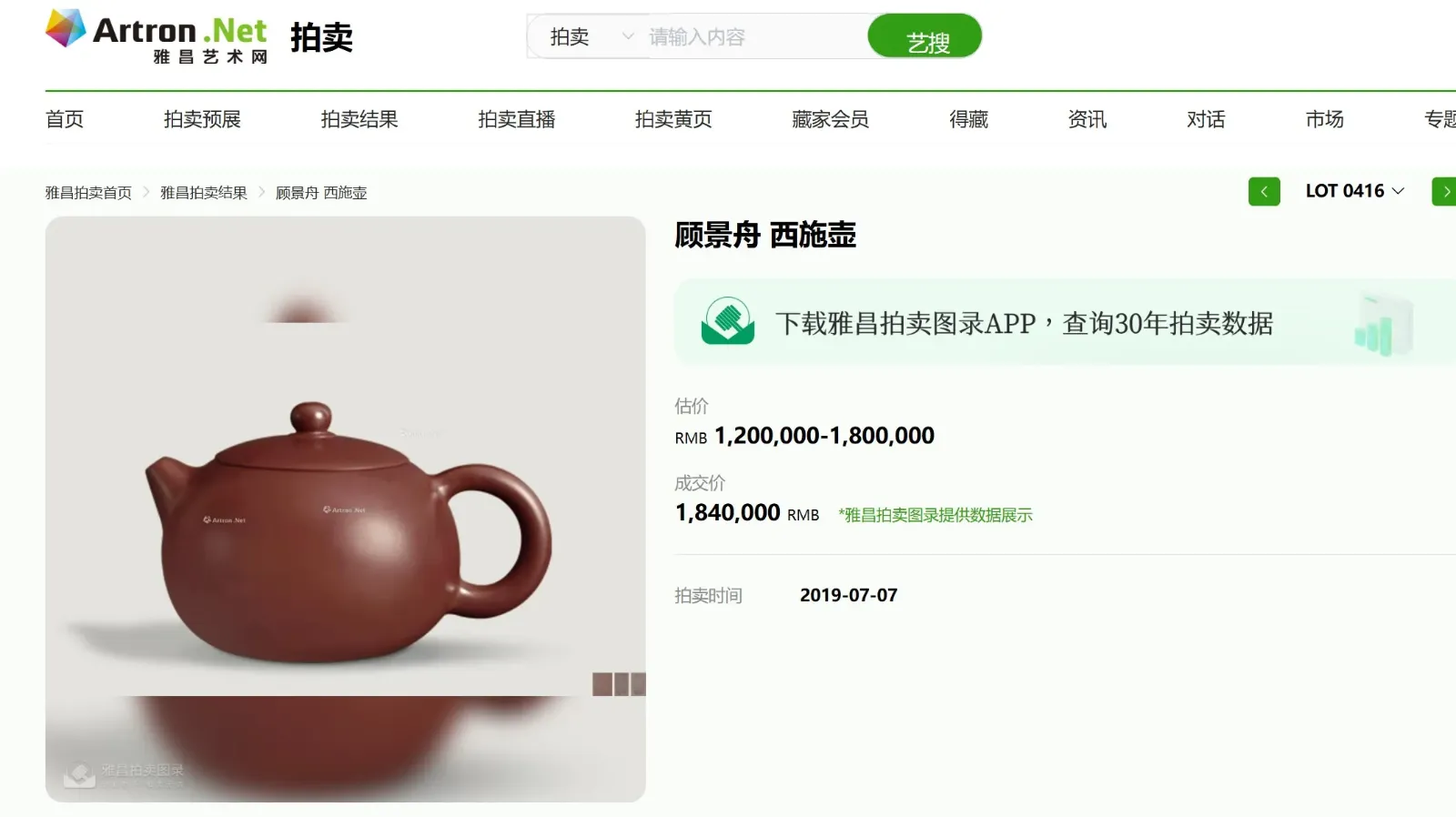
A Xishi Teapot auctioned for ¥1,840,000(about $260,000) in 2019, made by Gu Jingzhou,
the most renowned Zisha master
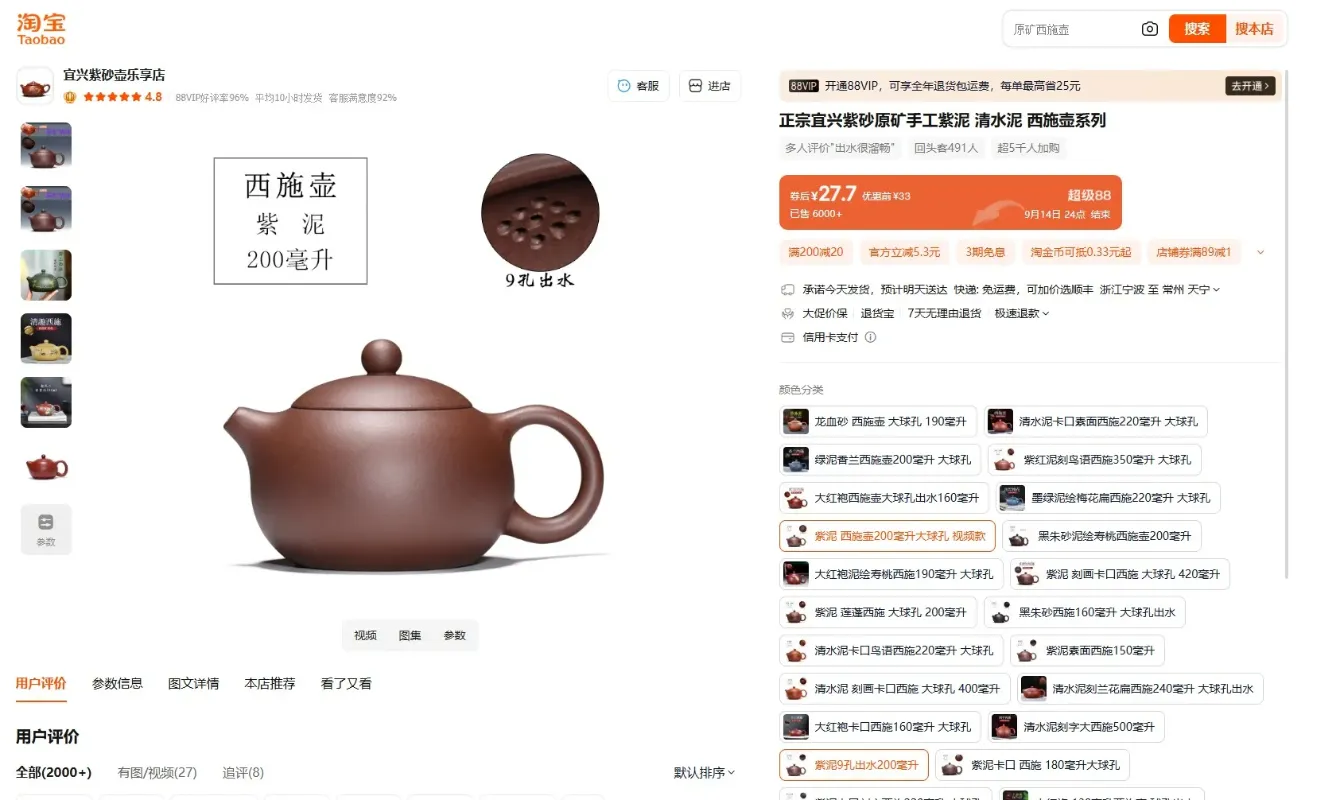
The same style Xishi sells for just ¥27.7 (less than $4) on Taobao
That’s because the Zisha market is decentralized: there is a lack of unified industry standards and sound legal regulations; production and sales are dominated by tens of thousands of individual studios and merchants, with no monopolistic large companies; market information and pricing standards are extremely chaotic, filled with false marketing and arguments.
This article will guide you through a price-based grade system for contemporary Zisha teapots (we’re not talking about antiques), so you can make smarter choices and avoid wasting money.
2. Wholesale Teapots: The Bulk of the Market
About 90% of Zisha teapots on the market fall into this category, also known as "general goods" or "everyday Zisha". Their characteristics are: bulk production, primarily for practical use; subjectively speaking, the maker’s mindset is "producing goods," not "creating works."
Some seasoned collectors look down on whole teapots, but it’s undeniable that they form the foundation of the entire Zisha market, supporting the livelihood of most practitioners. Many famous masters started this way. Wholesale teapots are not a product of modern industrialization; since Zisha teapots became popular in the 17th century, wholesale teapots have been an important part of the industry(of course the production efficiency was relatively low at that time), which aligns with the rules of a market economy. Moreover, not all wholesale teapots are the same.
2.1: Shoddy Teapots: Junk ≠ Fake
Experienced collectors can spot these right away(whether in photos or in person), sometimes they’re called "fake at first glance", but that’s not totally accurate—they’re not always fake, just very poorly made in every aspect: made of "chemical Zisha" (colored with large amounts of metal oxides) or even ordinary pottery clay pretending to be Zisha; they are formed by slip-casting or machine-rolling. Although with the help of molds, due to cost considerations, no effort is made to refine flaws or shape, resulting in a noticeable gap in appearance compared to decent Zisha teapots.
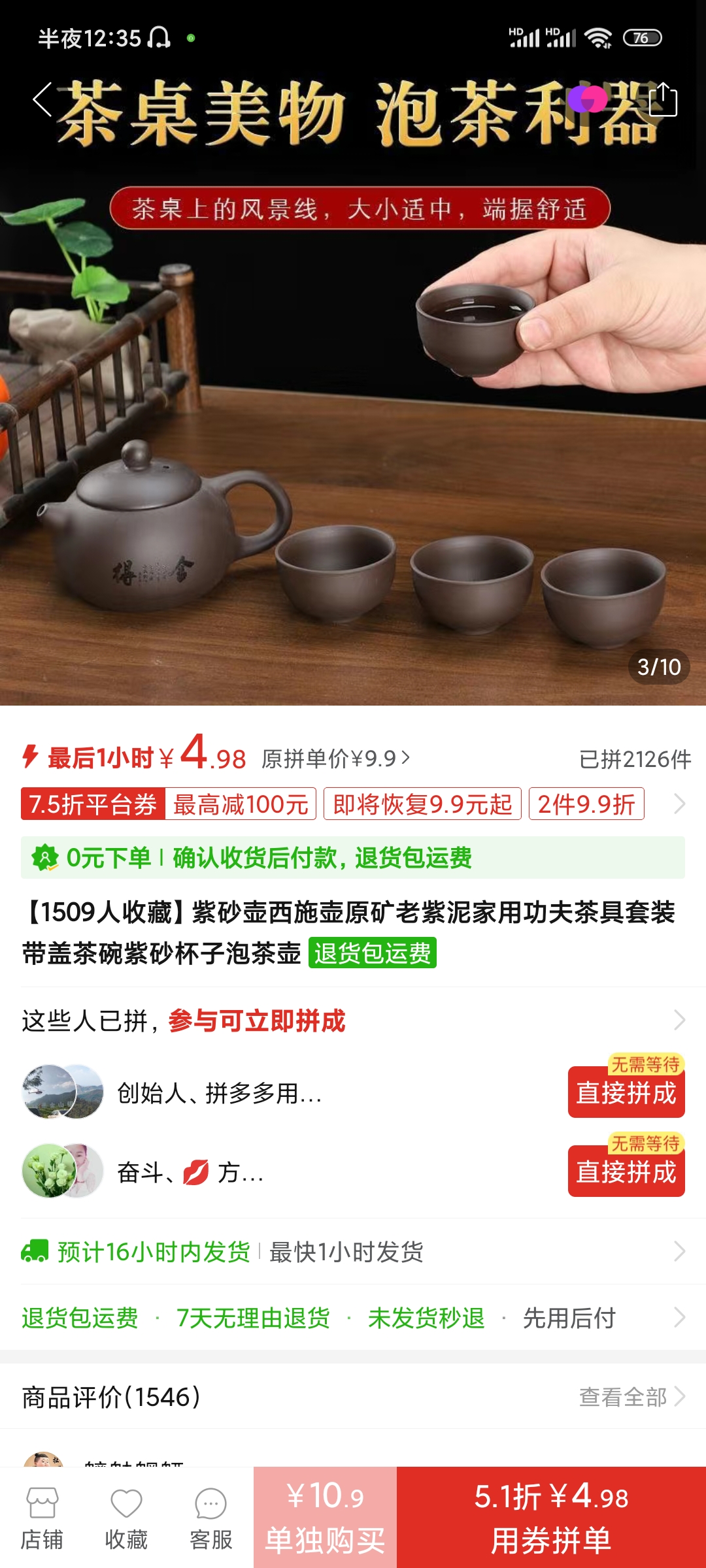 The Cheapest Xishi teapot on PDD(Chinese Temu),
Selling at ¥4.98(less than $1) and monthly sales reaching hundreds of pieces
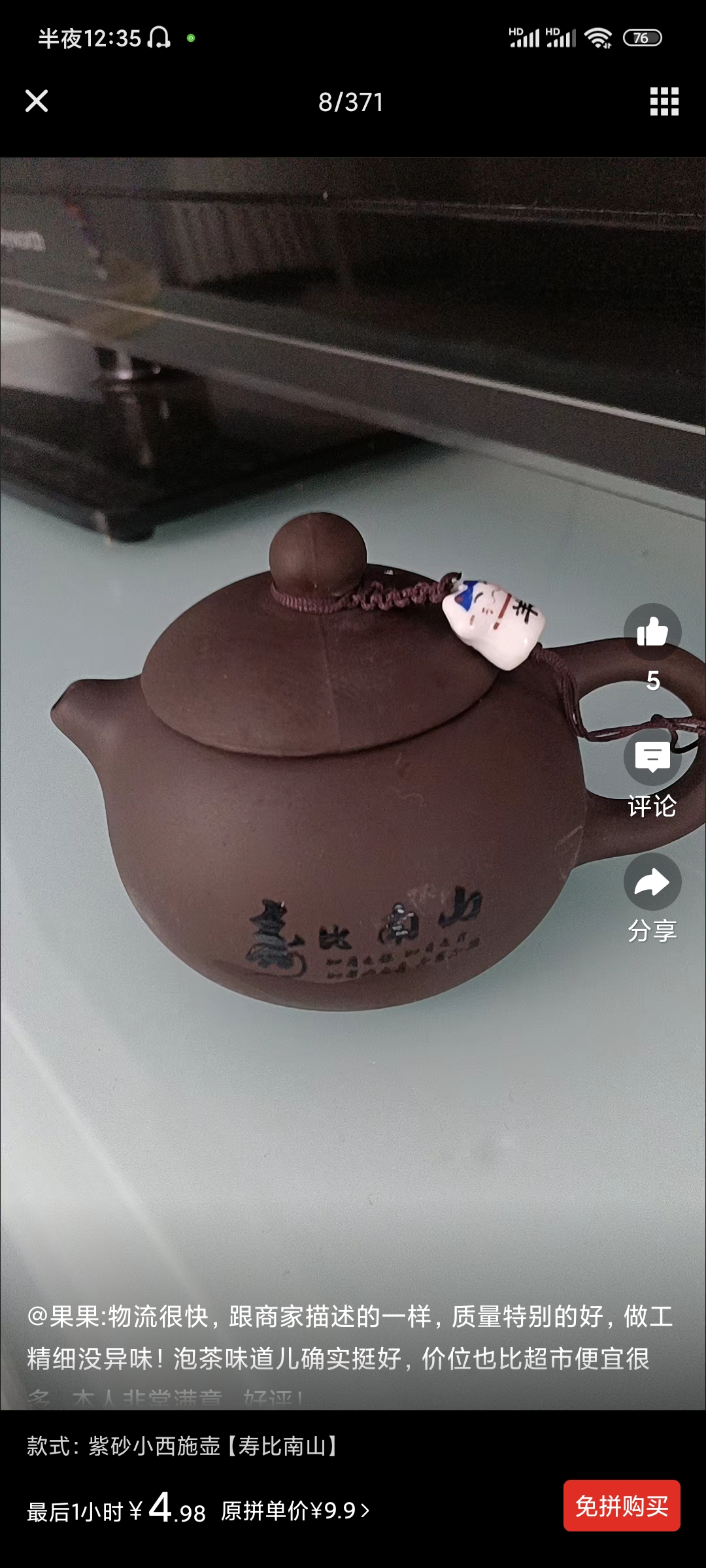
Based on buyer photos,
it’s clearly made of ordinary pottery clay—not even close to Zisha clay
Shoddy teapots still belong to the wholesale teapot category and don’t deserve a separate "garbage" classification. After all, no one intentionally sets out to produce garbage; these teapots are made for the purpose of being sold as commodities. The real problem is that sellers always use heavily edited photos and false claims to trick beginners.
There is another scenario: if a teapot is indeed fully hand-made and uses authentic clay, but the workmanship and form are unbearably poor, although it is not a "fake" Zisha teapot, it can only be classified as junk.
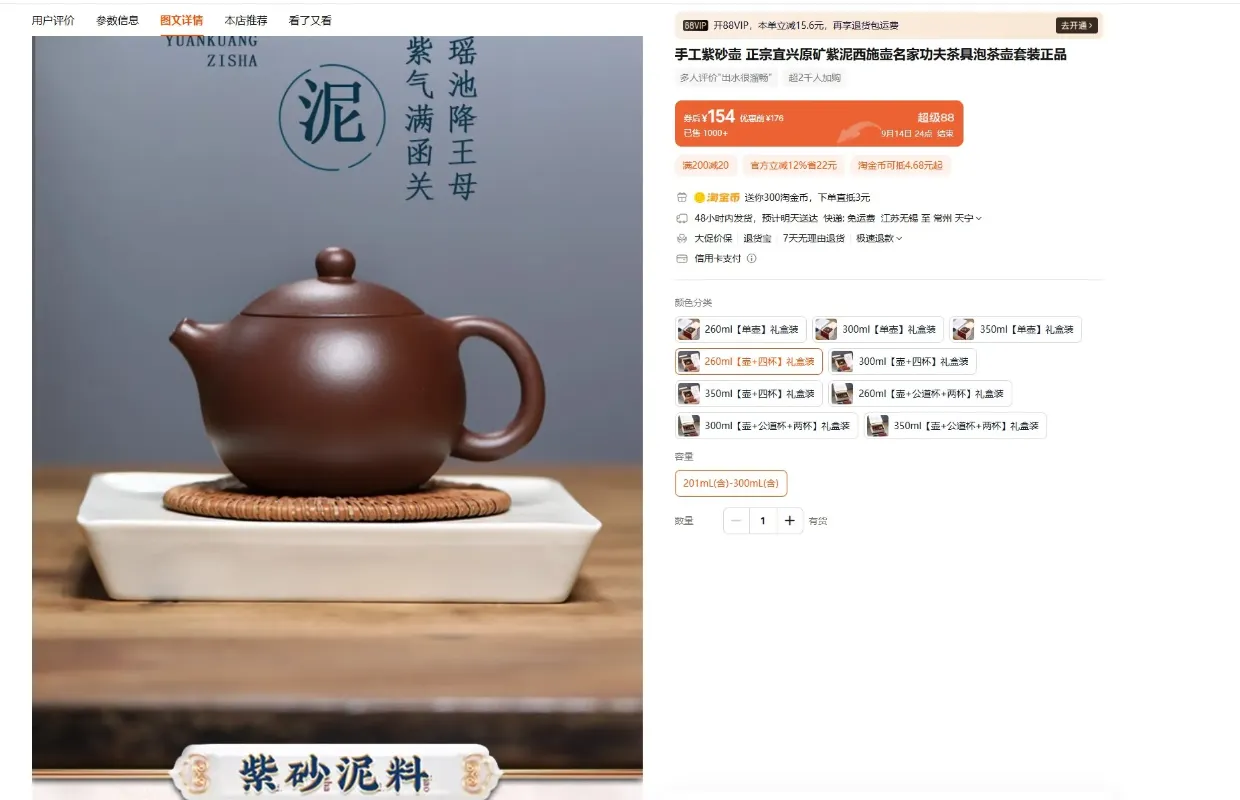
Another highly popular Xishi teapot on Taobao
Selling at ¥154(about $22)
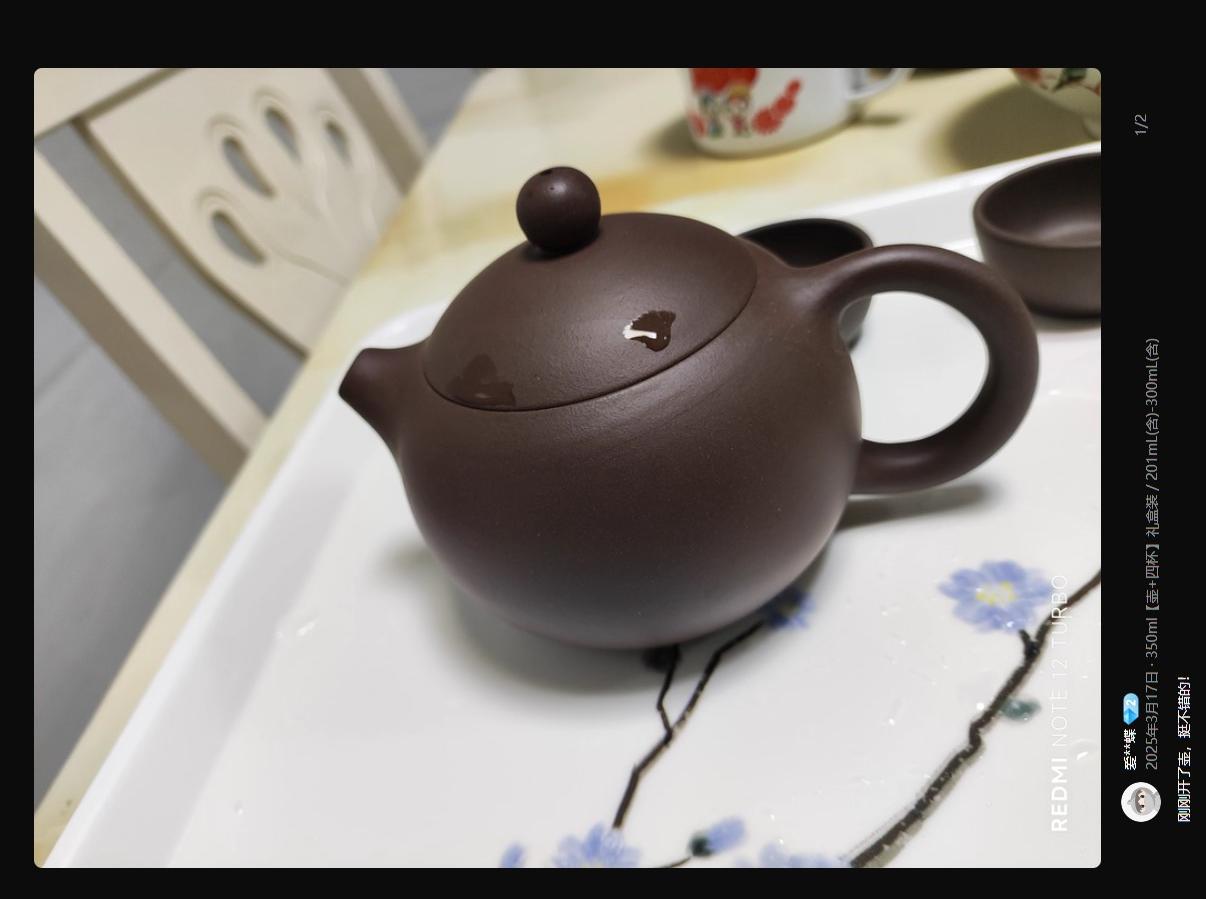
The actual product shows noticeable differences in shape, craftsmanship, and material
compared to the listing images
This situation is rare today but was common historically: during agricultural off-seasons, local farmers in Dingshu Town would make Zisha teapots in their homes, most of which were of crude quality. These teapots were called "xiāng pī" (countryside roughcasts). They did this to supplement their household income, not out of hobby or interest. Dealers would regularly go to the countryside or markets to purchase such teapots, as there has always been market space for low-priced teapots. This tradition continued until the 1990s when, with technological advances and productivity development, they were gradually replaced by slip-cast and machine-rolled teapots that had lower costs and higher production efficiency. However, some local elderly people still use "xiāng pī" to refer to shoddy teapots.
Tips:
- Do not purchase, and blacklist all sellers offering such teapots.
- Always remember the three essential elements of a Zisha teapot: "clay," "workmanship," and "form." All three are indispensable. Fully hand-made / half hand-made / machine-rolled are just production methods aimed at achieving perfect form and workmanship.
- Regarding authenticity: First, slip-cast teapots are definitely not Zisha teapots because genuine Zisha clay cannot be used in slip-casting processes. Tests on this were done as early as the 1960s by the F1 research team. As for machine-rolled teapots, if they meet the three basic elements, they should not be considered fake, only "non-traditional process Zisha teapots." Market reality is that for low-priced wholesale teapots, machine-rolling is the most efficient production method, and more and more consumers are compromising on this.
2.2: Standard Teapots(¥400~1000): Basic Daily Use Items
As the name implies, these teapots meet the passing grade in all three essential elements—no defects, but no surprises either. They are mostly half hand-made, and some refined machine-rolled teapots can also fall into this category.
The most typical are "workshop teapots." Their production model is closer to industrial products, pursuing high efficiency and stable quality control. Workshops typically use a multi-person division of labor production model: various components of the teapot are batch-produced by different people, then assembled together and refined. Whether machine-rolled, half hand-made, or even fully hand-made teapots can be produced this way. Usually, a batch produces at least 50-100 identical teapots. Although they are stamped with an individual potter's seal, they are essentially collectively made. Sometimes, the same batch of teapots will bear different seals because they are supplied to different buyers (usually dealers), who provide the workshop with their contracted potter’s seal or even clay, similar to custom processing and OEM production.
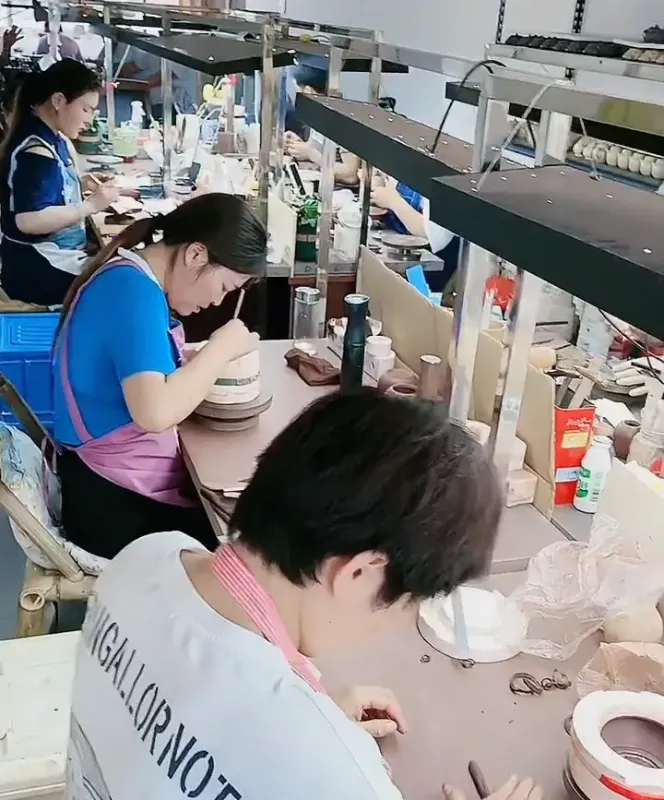
A medium-sized Zisha workshop producing half-handmade teapots
This workshop production model appeared on a large scale during the Qing Dynasty. Of course, today's workshops have more refined division of labor and more advanced tools. Small workshops are mom-and-pop shops, while large ones have over a hundred people with strict management comparable to modern factories.
If you cannot accept "workshop teapots," this price range is also sufficient to purchase traditional "individual teapots" (made entirely by one person). The potters of these teapots are usually of two types: apprentices and newcomers with less than 5 years of potting experience; or experienced potters without professional titles or accumulated fame. These individual teapots are usually half hand-made, and are often made in batches of 5-10 at a time, so classifying them under wholesale teapots is justified.
Individual teapots at this level are mainly basic classic styles, with extremely wide variations in quality—not as stable as workshop teapots. For example, some newcomers from Zisha families, to maintain the family reputation and quickly accumulate client resources, might use high grade clay regardless of cost, receive guidance even hands-on corrections from elders, resulting in surprising high quality exceeding the standard expected at this level.
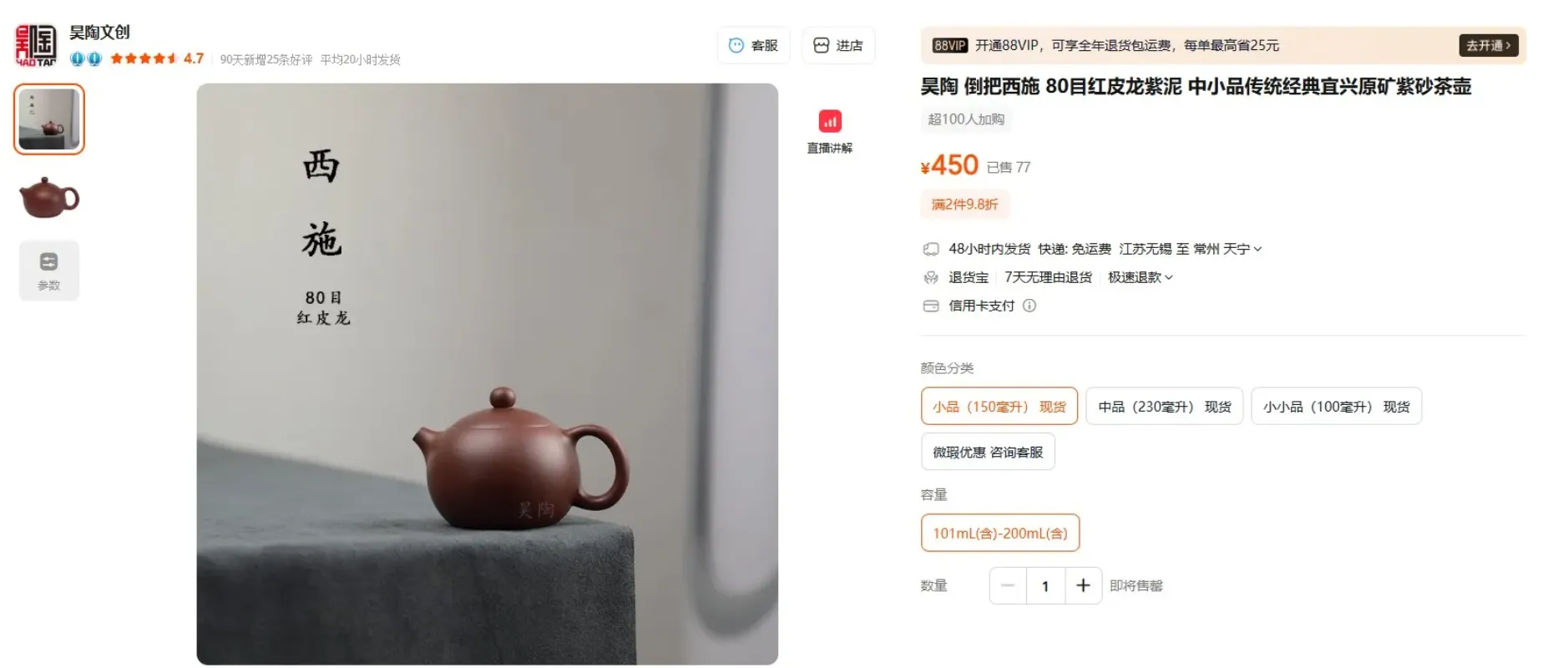
A typical standard Xishi on Taobao selling at ¥450(about $64)
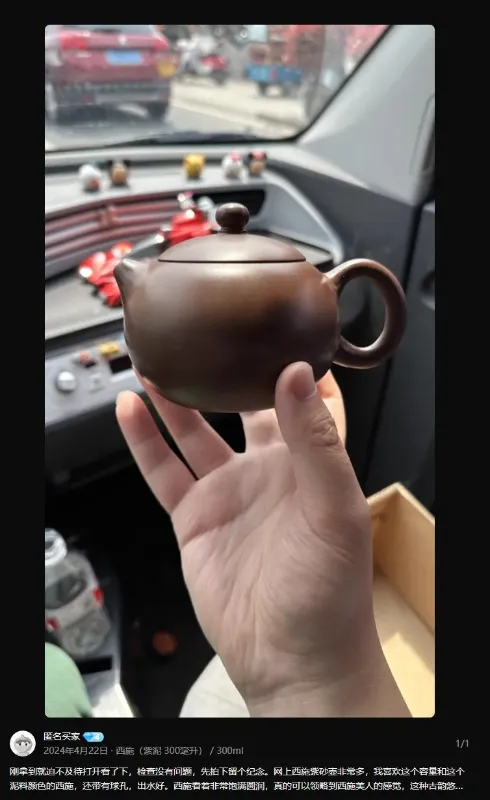
Photo provided by a buyer
The quality standard of wholesale teapots is constantly improving, a result of technological development and market competition. So most standard wholesale teapots from earlier years would only be considered substandard today. One typical example is the F1 teapots, which were the standard wholesale teapots of the 60s to 80s. Their clay quality far exceeds today's standards, but their workmanship and form can hardly be called competitive nowadays.
If you are a beginner on a limited budget, then these standard wholesale teapots are your best choice, sufficient to let you experience the charm of Zisha.
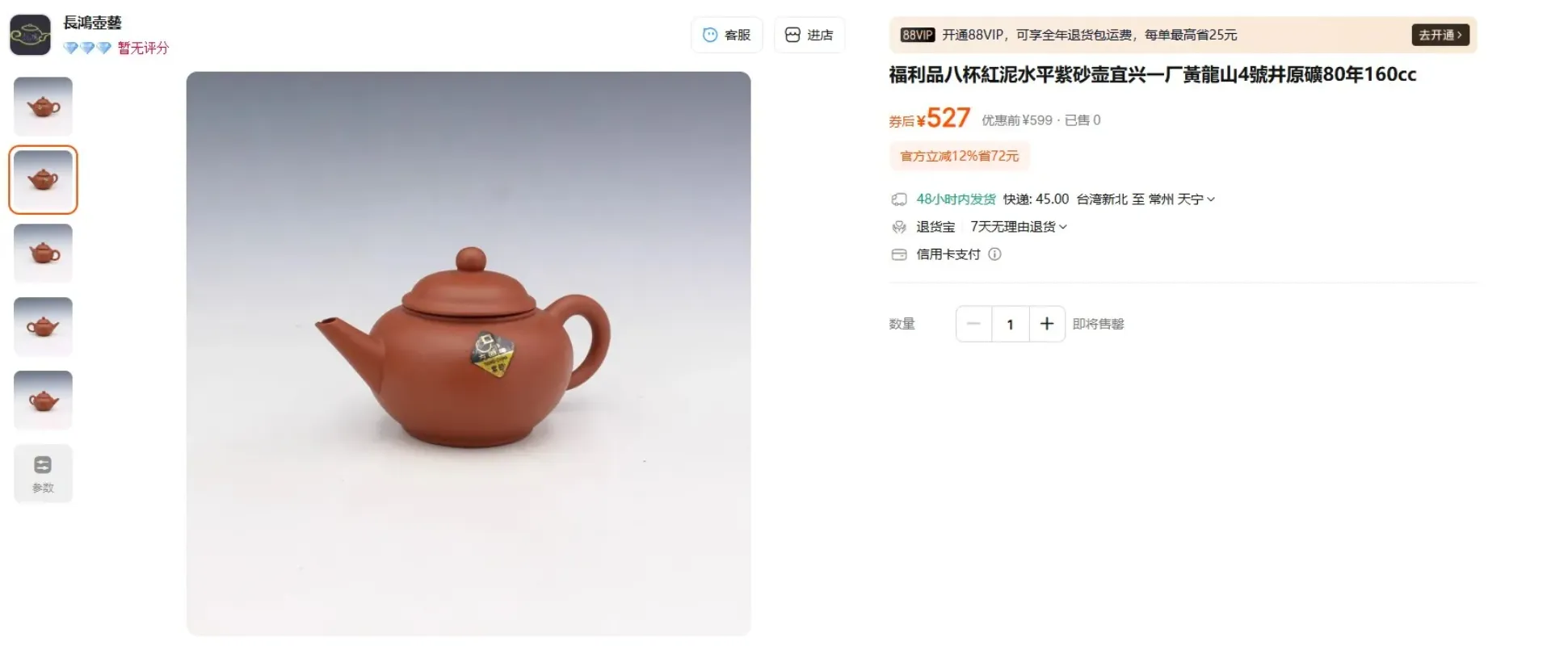
F1 Shuiping on Taobao selling at ¥527($74)
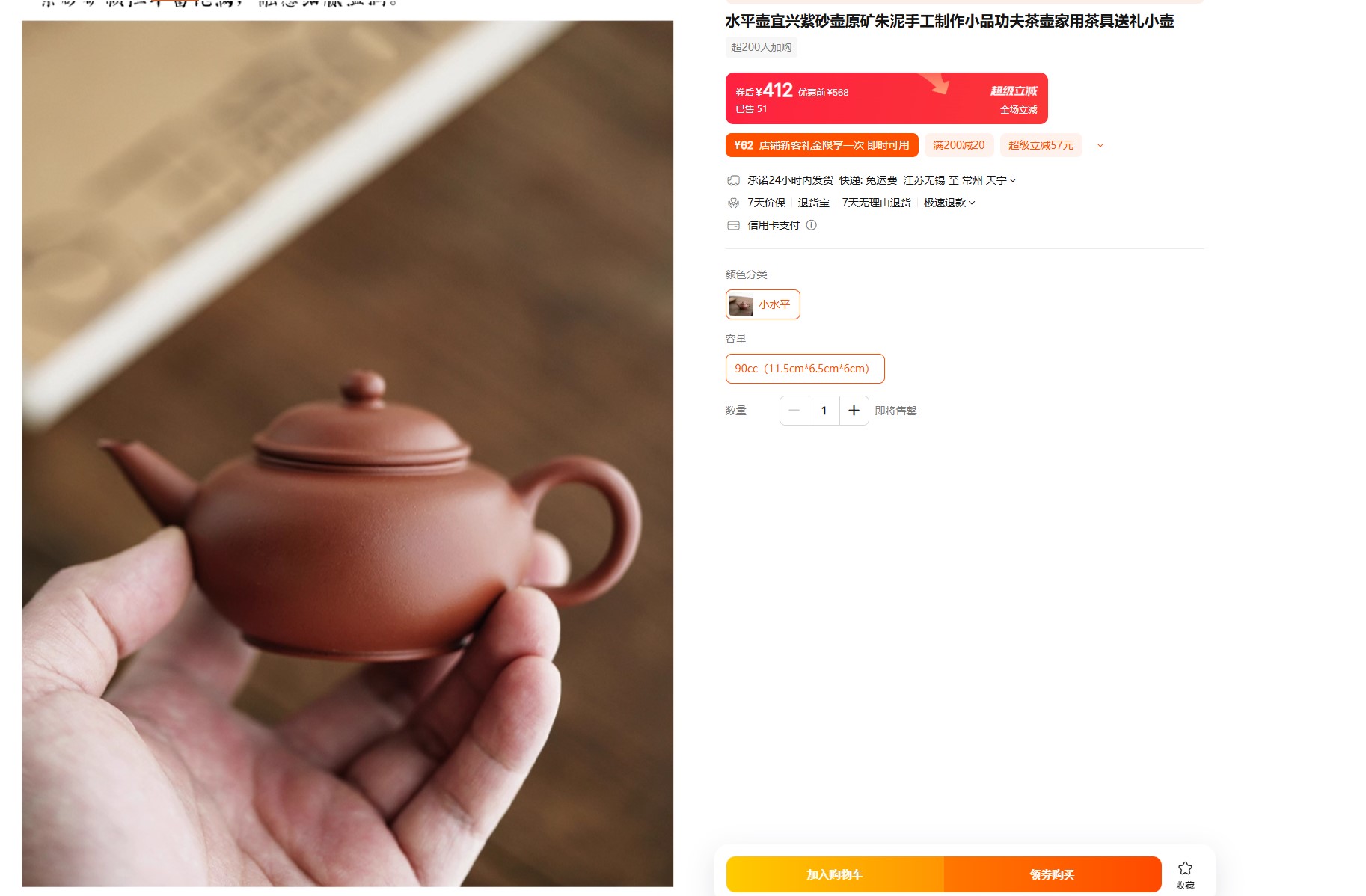
Modern Standard Shuiping on Taobao selling at ¥527($74)
Many seasoned collectors still keep the wholesale teapots they bought in early days, not only because they developed an emotional bond through daily use but also because comparing ordinary teapots with fine ones highlights the excellence of the latter—quality is always discerned through comparison.
In short, the problem with these teapots is not being mediocre, but the false advertising by sellers: 60-point teapots are packaged as 90-point and sold to you at an 80-point price, with sellers emphasizing that you got a bargain. This not only raises your expectations but also makes your wallet bleed.
Similar things wouldn't happen in a mature, transparent market. No matter how silver-tongued a merchant is, they couldn't make you pay $100,000 for a Toyota Corolla. That's why I said earlier that the Zisha market is chaotic.
Tips:
- Source workshops often supply multiple dealers simultaneously and provide well-processed images. When you find a teapot at this level you like from an online seller, make good use of reverse image search to see if other sellers offer it, compare prices, and blacklist those with overly greedy pricing.
- It's difficult to buy a fully hand-made teapot that meets all standards from dealers in this price range.
2.3: Premium Teapots (¥1000~5000): Light Luxury Crafts
Compared to standard teapots, these don’t just meet the basics—they bring something extra to the table.
There are two kinds of “bonus points” here. The first is about the teapot itself—think intricate shapes, eye-catching decorations, or rare types of clay.
The second is about the potter: their credentials or awards. At this level, you’re starting to pay a bit for the “brand” behind the teapot.
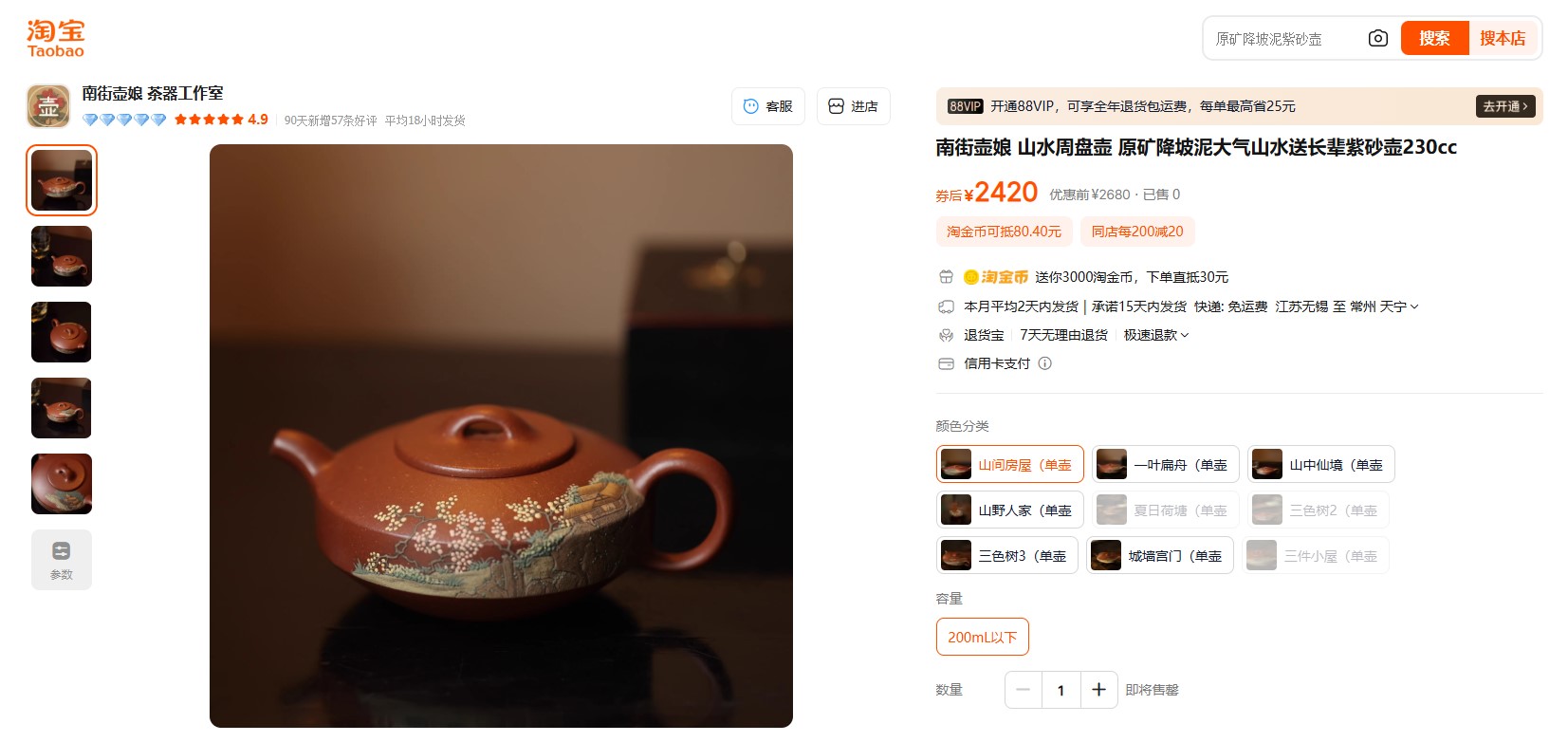
A typical premium teapot—elaborate eye-catching decoration
Selling on Taobao at ¥2420($340)
You can think of them like entry-level luxury cars—the BMW 3 Series or Mercedes C-Class. They’re functional, sure, but they also carry some prestige. They make decent gifts and can hold their own in upscale teahouses or hotel tea ceremonies.
That said, these teapots still fall short of the next level—the true “fine teapots”—in both quality and the potter’s clout. Many are still mass-produced in workshops (yes, a lot of them are still “workshop teapots” behind the scenes), and most lack originality or a strong personal style from the potter.
Tips:
- Don’t stress too much about whether it’s fully handmade or half handmade. These days, fake techniques evolve faster than the online tutorials teaching you how to spot them. Even experienced local potters won’t guarantee they can always tell the difference. Every year, online arguments (often between sellers) flare up over authenticity—some even turn into legal battles or, believe it or not, real-life fights.
- Good news: this price range is enough to commission a fully handmade teapot—and even get your name or a special message carved into it. Ask your dealers if they can connect you with a potters who offers this service. These potters are usually experienced but don’t have senior titles or a big client base. You can also request a video of your teapot being made.
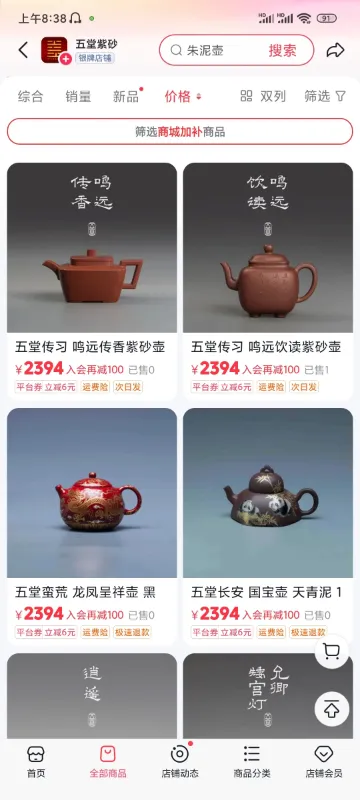
Premium teapots sold on Douyin
They are stamped with the seller’s brand seal, instead of potter's personal seal
Only a few established and reputable sellers can pull this off
4. Fine Teapots (¥5,000–50,000): Luxury or Art?
In the world of local Zisha enthusiasts in China, this level goes by many names: precision craft teapots, collector teapots, artistic teapots…But I like to call them “fine teapots”—”—it better reflects their luxury positioning, which aligns with the price-based approach of this guide.
Here’s the deal: at this level, you’re not paying for the teapot—you’re mostly paying for the potters. These potters either hold senior titles and awards, enjoy strong word-of-mouth among high-end collectors, or both. In short, you’re paying a brand premium.
That’s not to say the teapots themselves don’t matter. On the contrary, they must feature excellent clay and craftsmanship as a baseline. Some potters peruse ultimate in traditional craftsmanship; others explore innovation through original designs or collaborations with painters and calligraphers. They should be creating works, not producing goods.
But that's only the ideal scenario: in many cases, if you remove the potter’s seal, what remains is a well-made product—that’s all, no essential difference from premium teapots, you can’t feel any passion or artistic pursuit.
Most potters at this level still rely on traditional agents. Even in physical stores, their teapots are rarely priced openly—agents adjust the cost flexibly based on the client’s financial capacity and familiarity. These teapots are seldom sold openly online, or are listed at artificially high prices to protect the interests of agents.
With the development of the mobile Internet, a very small number of them clearly price and livestream the process of making teapots on Douyin
My advice? Just take this as luxury consumption, not making an investment—even though sellers love to hype “collection value.” Sure, a small number of these teapots truly qualify as art, hold value, and even trade well on the secondary market. But beware: the high profit margins also make this tier a breeding ground for hype. Think fake auction sales, rigged awards, inflated titles, and even invented master-apprentice lineages. Let’s be honest: investing in Zisha is riskier than stocks, even if it’s slightly better than buying lottery tickets.
Tips:
- You can usually find plenty of info about these senior potters online. Ignore their titles and awards. Focus their works--especially original designs that reflect their true vision of aesthetic. Whether their works have evolved over the years can also reflect their professional attitude.
- Watch out for ghostmaking. Lots of “big names” don’t make their own teapots. If you’re okay with that as long as the piece is good enough—cool. But if you want the real deal, consider commissioning a custom piece and ask for a video of the process. (Fair warning: some potters find this offensive—no matter how much you offer to pay)
5. Master Teapots (¥50,000~¥1,000,000): Not necessarily masterpieces, more like high-stakes “Art”
Master teapots, literally understood, are teapots made by Zisha masters,a mixed bag that generally divided into four groups:
* The Authorities: Those who have master titles issued by the central or provincial government. There are about 150 of these currently alive today.
* The Market Winners: Those without official titles but with market recognition, and their works consistently sells for ¥50,000+, known in the community as “民间实力派” (mínjiān shílìpài—Underworld Pros).
* The Fallen: Those emerged from the first two groups due to scandals—like being exposed for using ghostmakers or suddenly appearing on e-commerce live streams to sell their works in large quantities at ultra-low prices. The final result is always a significant devaluation of their work in the secondary market.
* The Fakes: They have neither governmental titles nor market recognition, relying on piling up numerous titles and honors—insiders know the tricks, but it can indeed bluff some novice consumers. What they do is usually a one-time deal, but consumer rights protection is difficult, and there are always new consumers.
Regardless of the actual merit of these masters, the market reality is that any teapot priced above ¥50,000 is a considered “master teapot,” with works by a very select few even exceeding ¥1,000,000. These teapots have completely transcended the category of daily-use or even consumer goods. Buyers at this level are investing in them primarily as collectible art—valuable for their potential to appreciate. Almost no one actually uses them to brew tea, for fear that chips, cracks, or improper care could cause their value to plummet. That said, this worry is often misplaced. The truth is, most of these so-called “master teapots” don’t hold their value better than your average luxury handbag anyway.
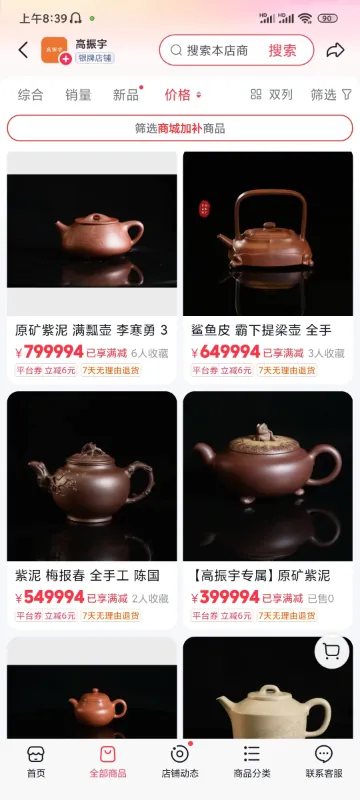 Top master teapots listed on Douyin—mainly for price reference
When it comes to the flood of so-called "masters," my own criteria are pretty simple: only time can identify true masters. Government cannot, and agents certainly cannot. This is true in various artistic fields. In recent years, along with China's economic take-off, the bubble in the Zisha teapot market has also soared—the prices of many masters' teapots are like stocks at high levels, without the stock market's liquidity. Let's put it this way: if a Zisha master's name is written into ceramic textbooks 50 years after passing away, his works are collected by major museums, and his original designs are imitated and paid homage to by later potters, then such a potter can be considered a true master.
Even true masters did not create only masterpieces. .The career of a Zisha potter is very long, usually from age 20s to 80s. Ability and status vary greatly at different stages of life. Every master has produced mediocre works to some extent, and the most valuable are the representative works created during their peak period.
Tips:
- If you are willing to take investment risks, do not easily believe the quotes from agents or the masters themselves. Check the transaction records of first-tier auction houses (international ones like Christie's, or Chinese ones like Poly, Xiling) and conduct cross-comparisons. Their screening of contemporary Zisha teapots is very professional and cautious, serving as a touchstone for testing a master's true quality. Non-first-tier auction companies are not trustworthy; what the industry calls "record auctions" often occur—arranged by the master or agent to be bought at high prices by their own people, used to show price records to clients. Accordingly, the commissions charged by the auction house are discounted. This behavior is a grey area commercial cooperation, not a real deal.
6. Summary:
This article adopts price as the criterion for classification, though it should be noted that the pricing system in the Yixing teapot market is inherently disordered. As a result, certain logical inconsistencies arise in the argument. For instance, it is clearly unreasonable to categorise customized handmade teapots under ¥5,000 as wholesale teapots—they are not mass-produced, and their quality may not necessarily be inferior to that of fine or even master teapots. Incorporating factors such as quality, forming technique, and the maker into a clear frame of reference would allow for a more refined classification, though it might also lead to excessive complexity.
Furthermore, the market itself is complex and volatile. The price ranges cited are based on the current mainland Chinese market (September 2025). Looking back to 2015, one would find that standard wholesale teapots were roughly 30% cheaper than they are today. Master teapots, on the other hand, followed a different trajectory: most Zisha masters achieved their peak auction records around that time, after which prices stagnated or even plummeted. In the international market, additional factors such as shipping costs, tariffs, and cross-border transaction fees come into play. Sellers also tend to leverage information asymmetry to adopt exploitative pricing strategies.
As mentioned in the first chapter, the core issue with Zisha teapots is that most consumers have no idea what they’re really worth. As a result, purchasing decisions are often channel-dependent—whether that channel is your local tea house, an online store, or an influencer on social media. Yet these sources do not always convey information truthfully.
This challenge can be gradually addressed through the following three approaches:
Acquire Knowledge: Build a systematic understanding of clay types, craftsmanship, and the historical evolution of Yixing teapots through reading specialized books, watching documentaries, and other educational resources.
Market Experience: Actively explore both online and physical stores, engage with sellers and collectors, and use the grade system presented in this article as a preliminary reference.
Aesthetic Discernment: This is often overlooked by beginners. Avoid becoming overly preoccupied with technical details such as clay or craftsmanship. The essence of Zisha teapots lies in aesthetics—all techniques and materials serve the purpose of artistic expression, rather than pursuing extreme performance like GPUs or missiles. Keep an open mind throughout the process: appreciate classic pieces in museums, observe contemporary innovations at auctions, and even examine cheap junks online. Over time, you will develop an intuitive sense—“Zisha radar”—that allows you to filter out most teapots at a glance. Once you reach this stage, you will no longer fixate on clay or workmanship, for those potters truly dedicated to aesthetic pursuit naturally excel in both craftsmanship and material selection.
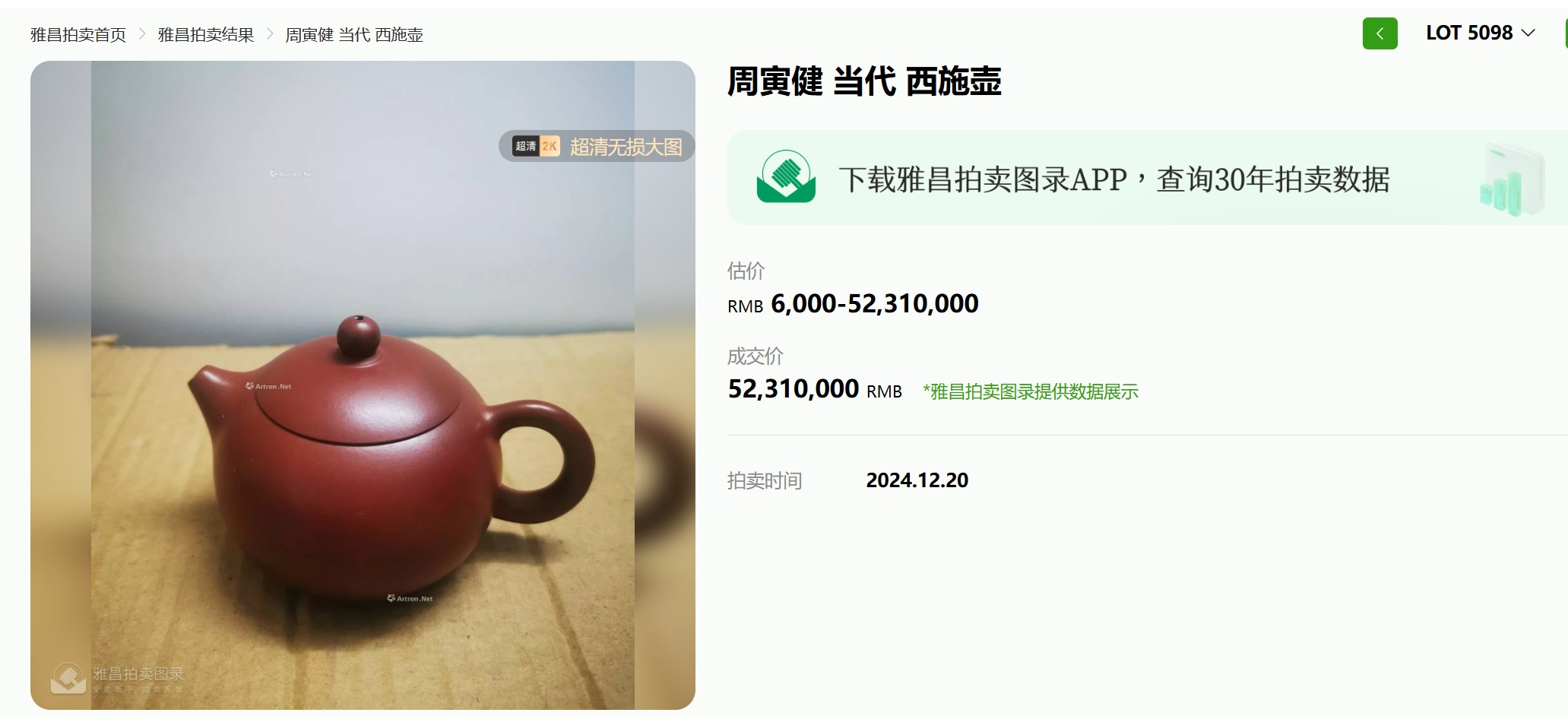
How absurd can fake masters and rigged auctions get? This Xishi teapot was “sold” at auction in 2024 for ¥52,310,000($730,000,000)
The maker fabricated numerous titles and honors, along with a master-disciple relationship with Gu Jingzhou, the most renowned Zishaartist. Most outrageously, he even claimed descent from Chinese royalty 3,000 years ago and a famous philosopher from 1,000 years ago.